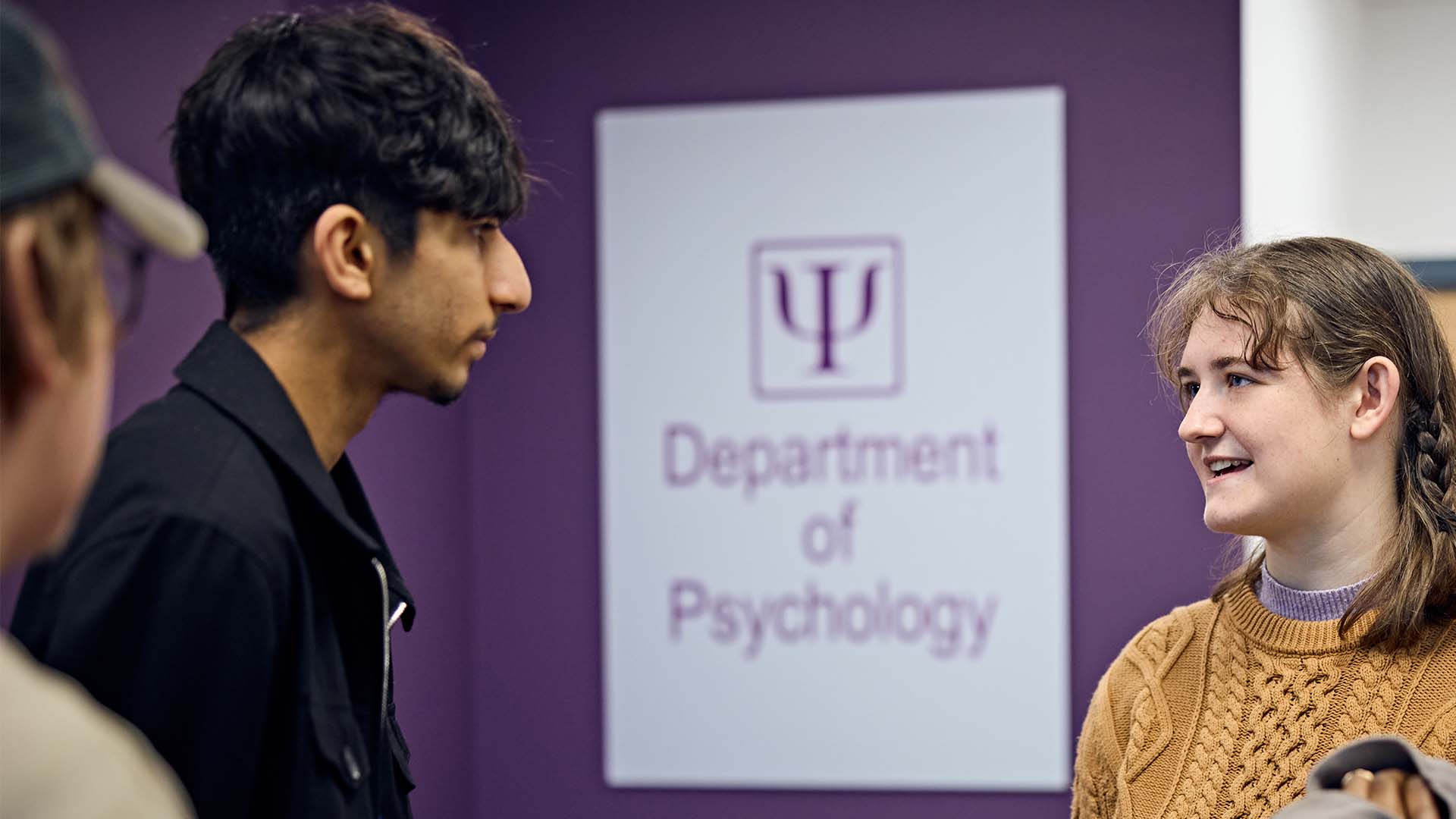
Research subjects in Psychology
Discover more about this research area: |
|---|
Why study a Psychology research degree at Huddersfield?
Psychology research at the University of Huddersfield is centred in the Brain, Behaviour and Cognition (BBC) research group, which brings together work spanning health and wellbeing, cognitive science and neuroscience, and forensic and investigative psychology in an interdisciplinary community exploring how people think, feel, learn and act.
- You’ll join an interdisciplinary and applied research environment where research is both intellectually ambitious and socially meaningful as it connects psychological science to real-world challenges in health, education, safety and justice.
- Our work spans preventive health behaviours, vaccine hesitancy, decision-making, addiction, language and literacy development, bilingualism, mathematical cognition, AI-assisted diagnosis, and forensic and investigative psychology.
Research disciplines in Psychology
Health and Wellbeing Psychology
Students undertaking Health and Wellbeing Psychology research will focus on behaviour change, preventive health, screening uptake, vaccine hesitancy, pain, anxiety and student wellbeing.
Those interested in health inequalities, public engagement, prevention and intervention design would find a strong fit here, as the work connects naturally to NHS, public-health and charity partners and has clear pathways to impact.

Cognitive Science and Neuroscience
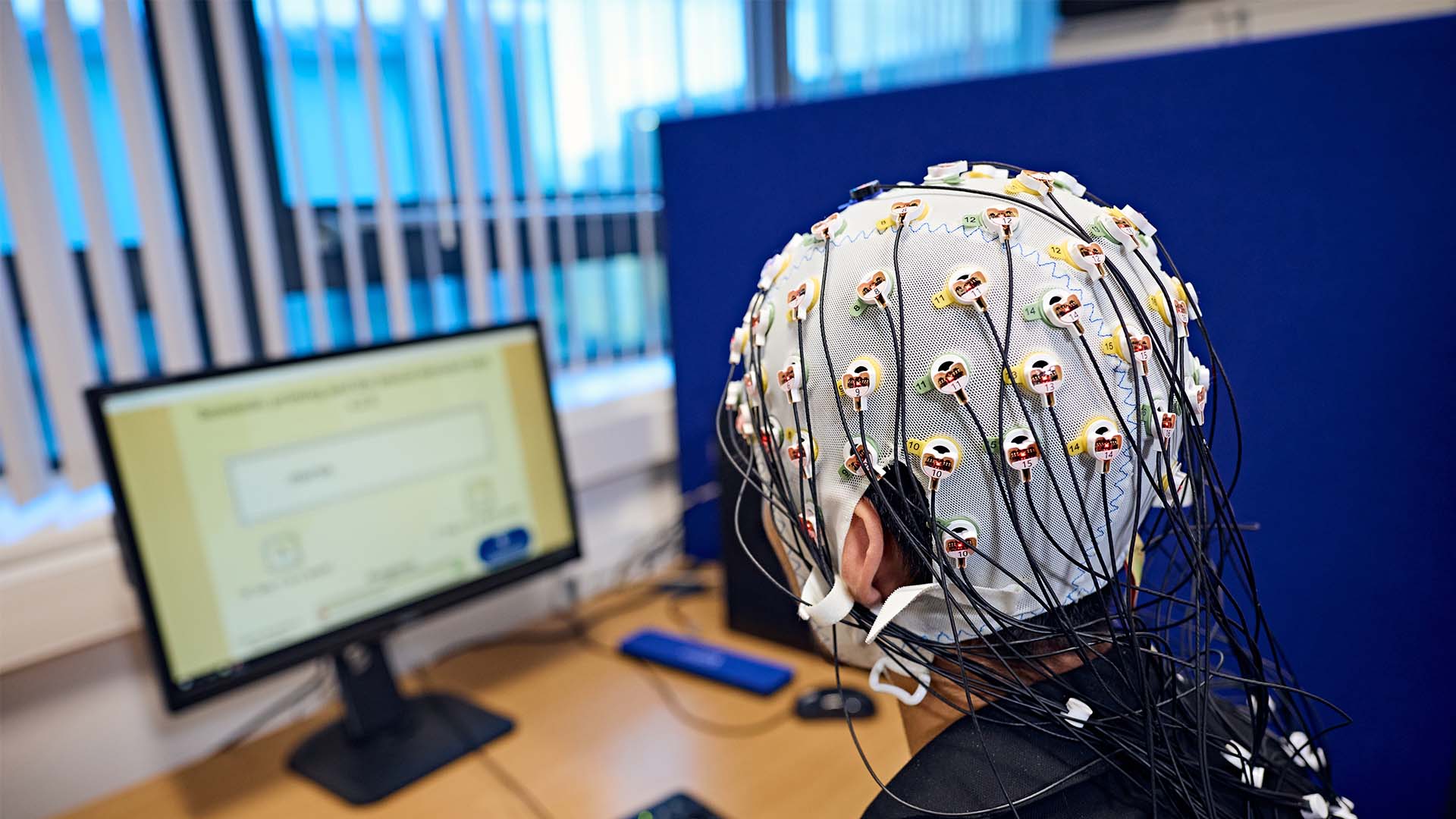
This research subject brings together research on mathematical cognition, language, bilingualism, literacy development, speech rhythm, sensorimotor synchronisation, decision-making and addiction, as well as AI-assisted diagnosis and digital-health themes.
Cognitive Science and Neuroscience research students here benefit from an interdisciplinary environment combining theory, empirical research and applied innovation, with work spanning child development, cognition across the lifespan and emerging human-technology.
Forensic and Investigative Psychology
This research subject covers investigative psychology, Behavioural Investigative Advice (offender profiling), geographic profiling, assessment and treatment of offenders, intervention evaluation, legal and forensic psychology, missing persons, terrorism, hostage and crises negotiation, sexual and violent offending (including domestic abuse and child abuse), eyewitness evidence and decision making in investigations.
Research in forensic and investigative psychology is ideal for students who aspire to have a career with direct relevance to policing, justice and safer communities, supported by established partnerships with police forces and national policing bodies.
Cyberpsychology and Digital Behaviour
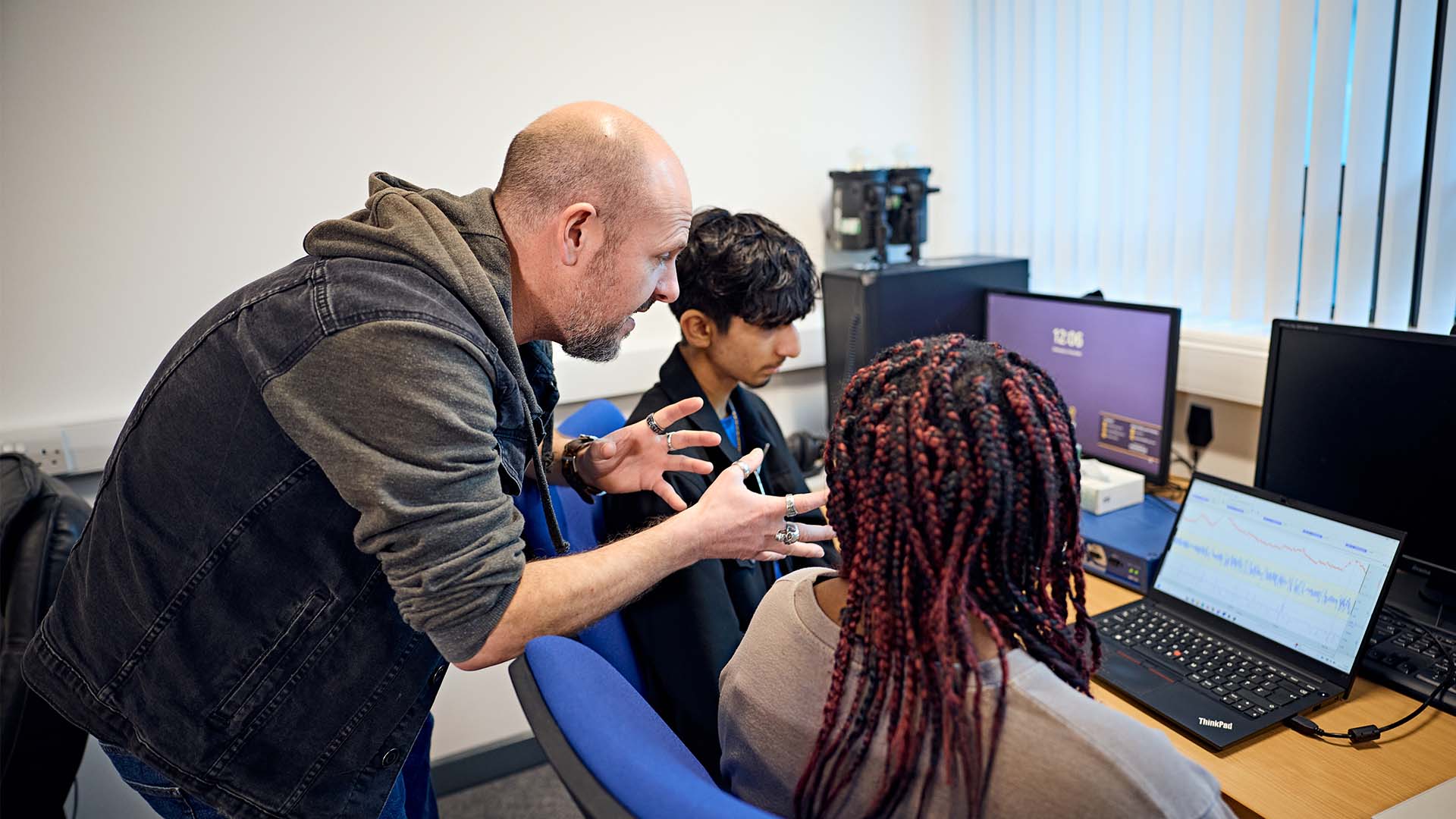
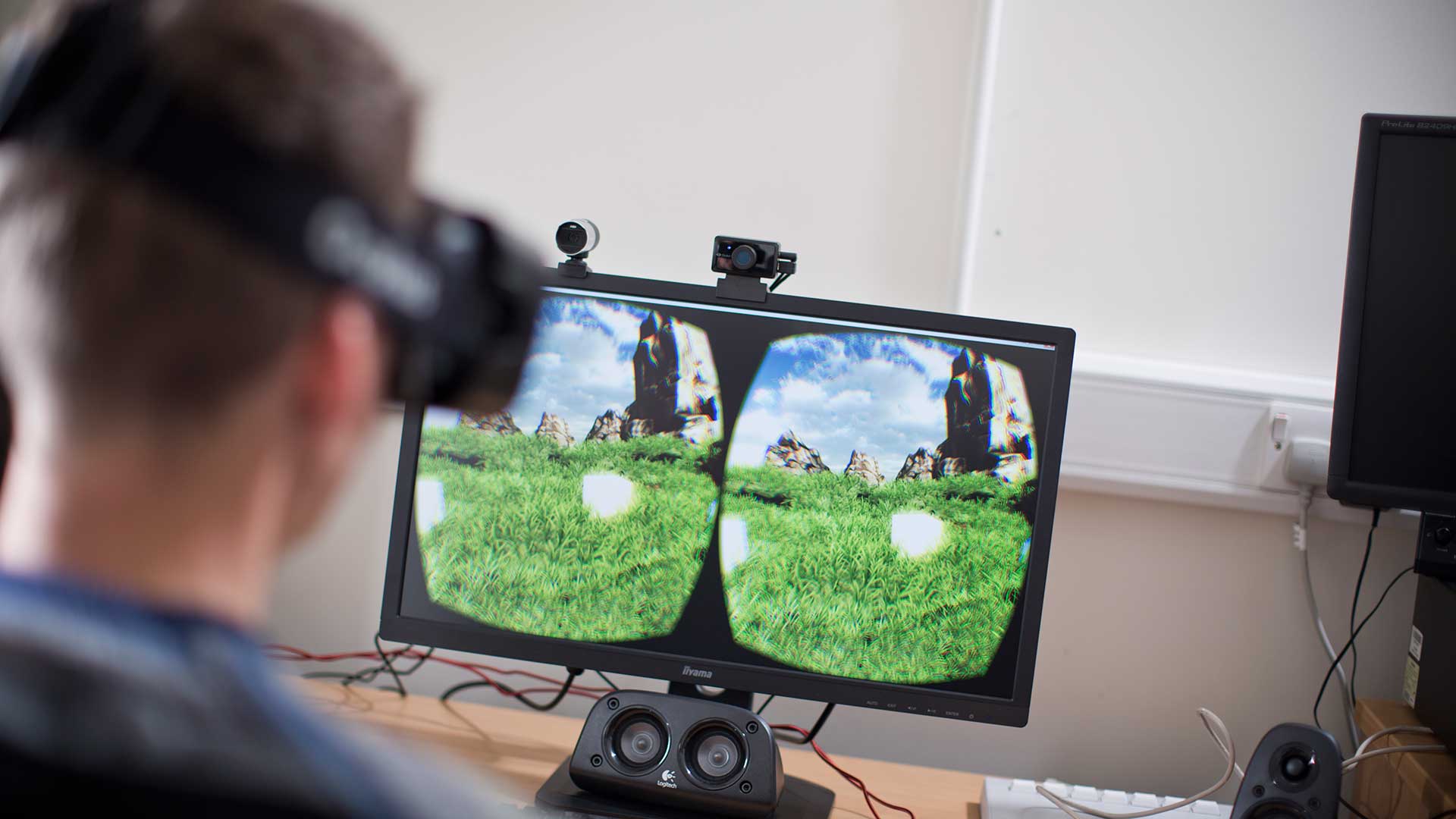
Students undertaking Cyberpsychology and Digital Behaviour research will explore how people think, behave and interact within digital environments. Research spans online behaviour, digital harms, cybercrime, artificial intelligence, social media, online safety, cyberbullying, misinformation, radicalisation, online exploitation, human-technology interaction, digital wellbeing and behavioural cybersecurity.
Cyberpsychology and Digital Behaviour research is ideal for students interested in understanding and addressing the psychological challenges and opportunities created by rapidly evolving digital technologies. Research benefits from strong interdisciplinary collaborations with industry, government and international partners, generating real-world impact across policy, education, health, security and technology.
Key achievements and projects

Psychology research centres
During your research degree, you will work amongst academic experts from the following research centres:
- The Centre for Cognition and Neuroscience (CCN): focus on the development of fundamental theories of cognitive and neural processing and their application to solving pressing human problems.
- The Centre for Equity in Mental Health (CEMH): research on a wide range of topics, including novel psycho-social interventions, care pathways, health systems strengthening, outcome measurement, intersectionality, 'big data', artificial intelligence, digital literacy, wearables/bio-sensors, health economics, biological contributors to mental health, creative health and more.
Useful links
The Graduate School
When you join us a postgraduate researcher, you'll become part of the Graduate School, which brings together staff and services to help you reach your research potential.