Research subjects in Forensic Science at Huddersfield
Discover more about research in Forensic Science: |
|---|
Why study a Forensic Science research degree at Huddersfield?
Research in Forensic Science at Huddersfield places you at the forefront of scientific investigation, combining strong academic expertise with a practical focus on real-world forensic challenges.
You’ll work alongside experienced researchers across a diverse range of forensic disciplines, including forensic entomology, taphonomy, ballistics, textile damage, analytical chemistry and forensic statistics. This breadth of expertise allows you to explore different scientific approaches while developing specialist knowledge in your chosen area.
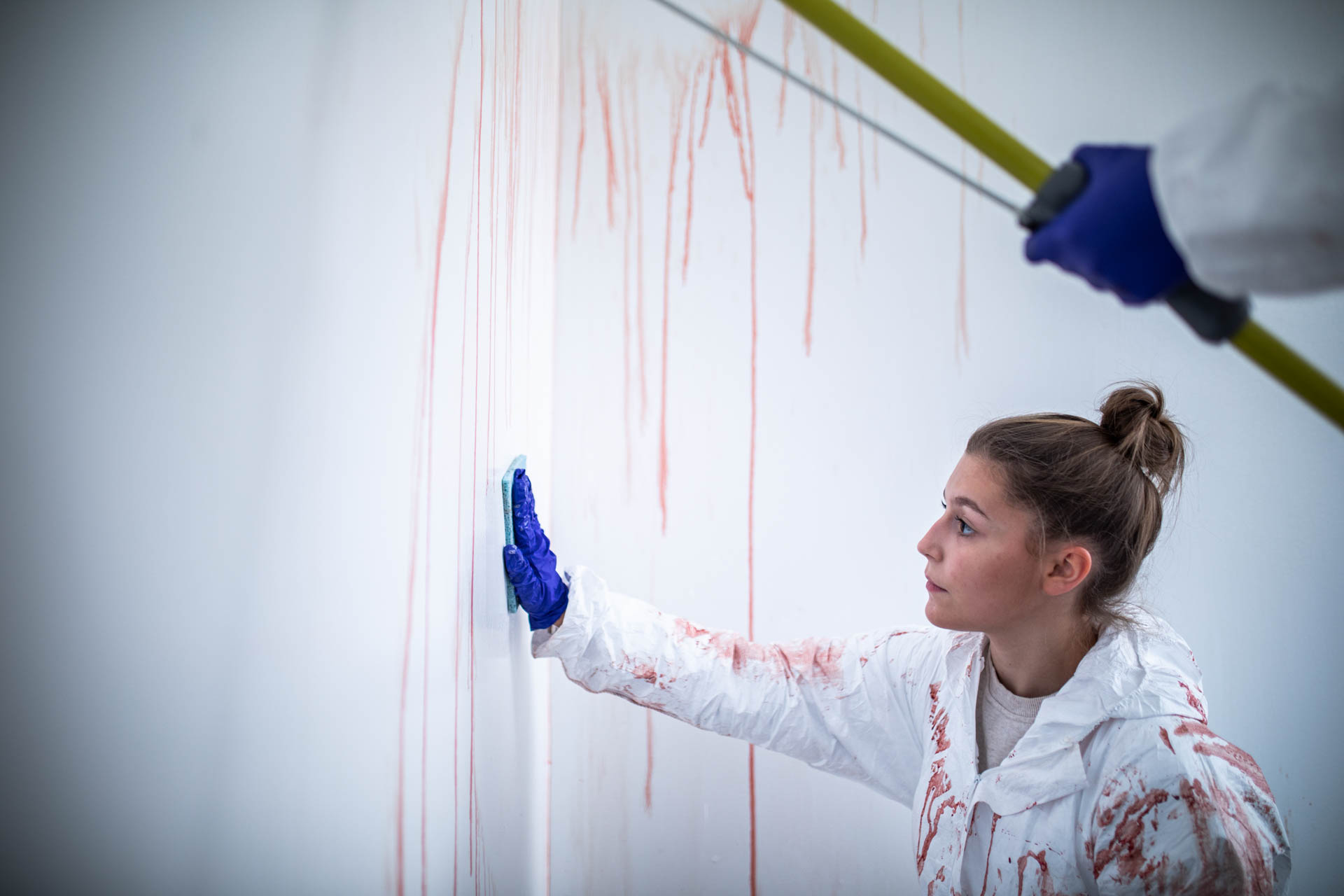
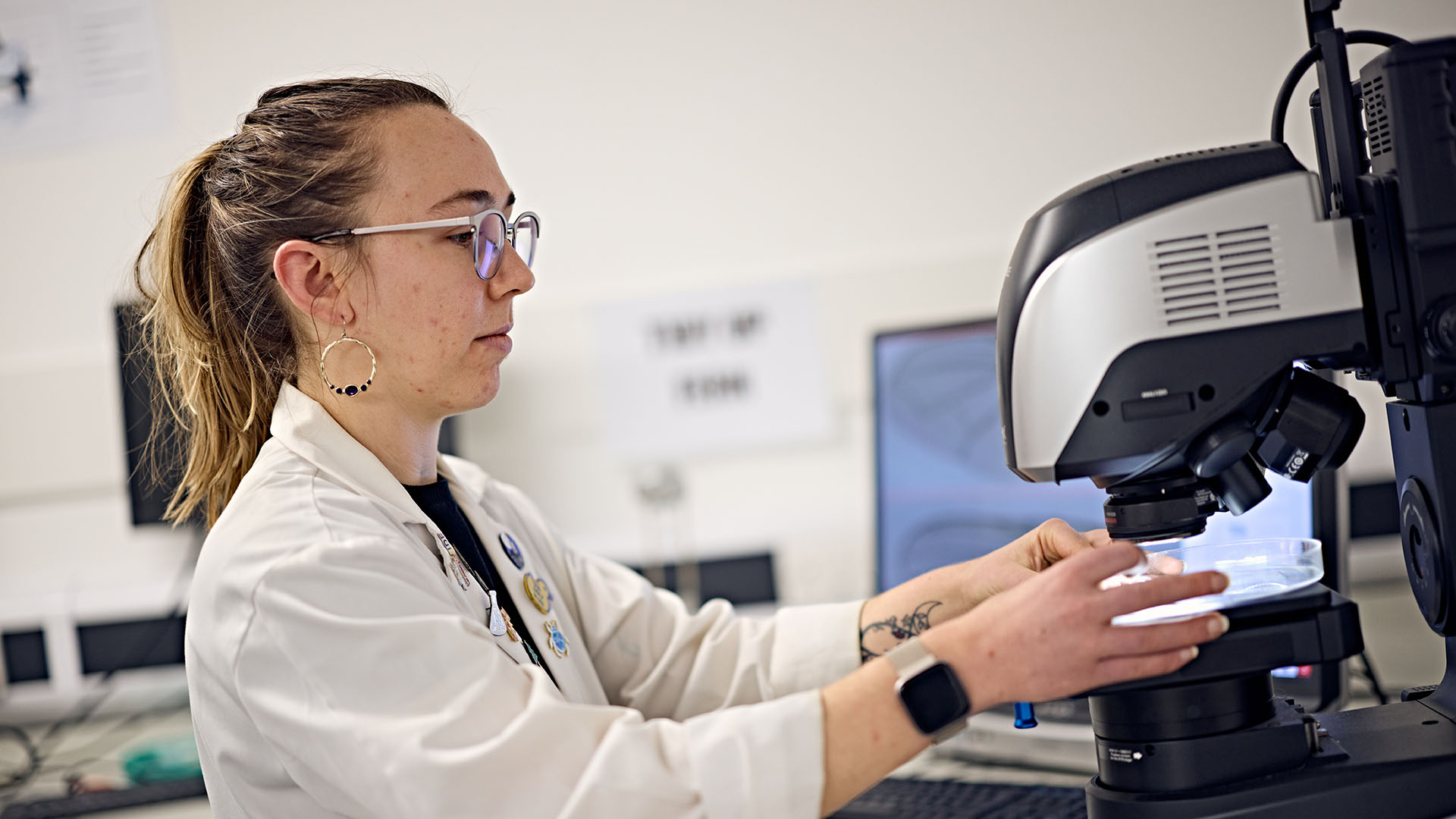
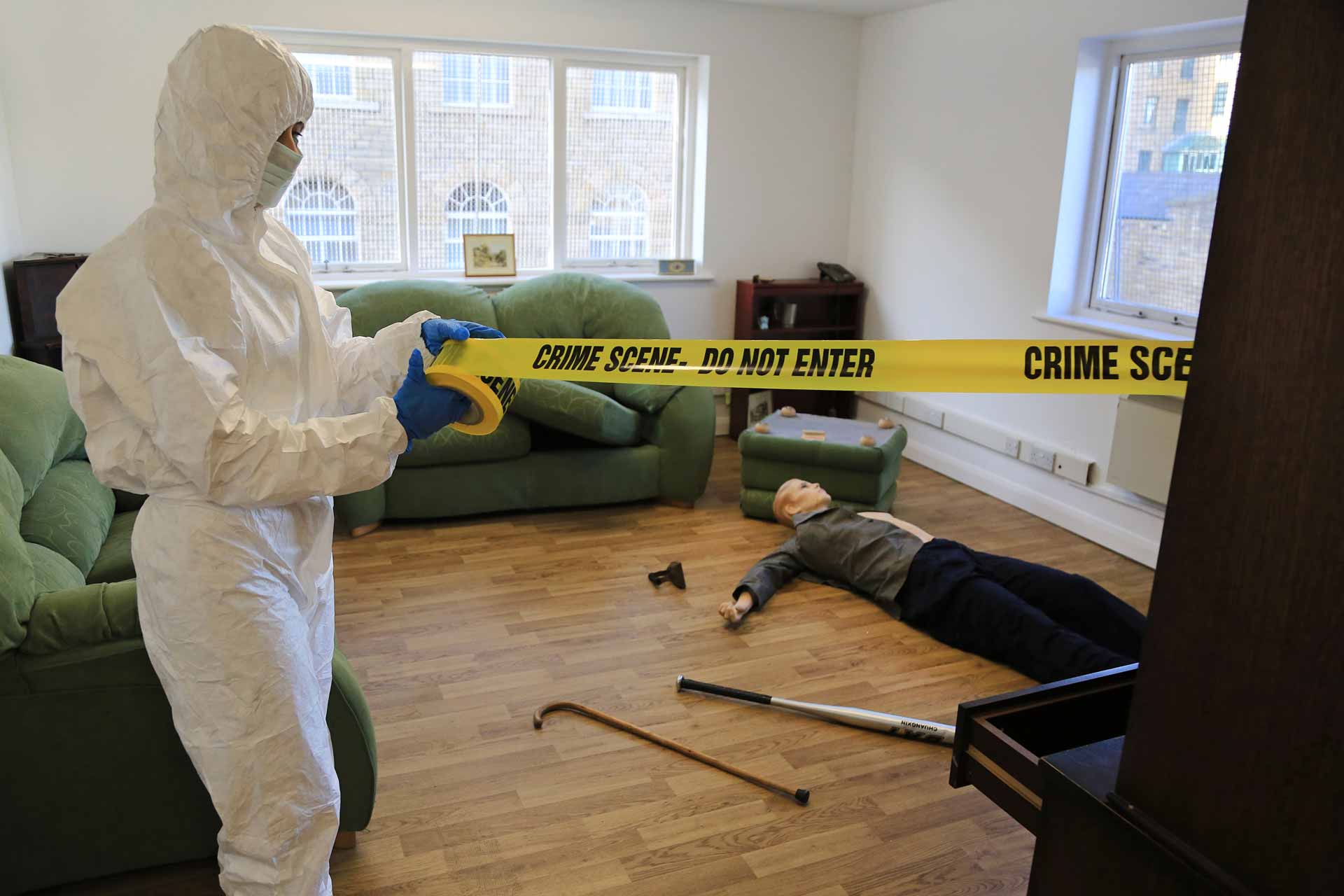
Forensic Science research at Huddersfield is defined by its hands-on approach. You’ll work with advanced analytical instrumentation, microscopy and surface measurement techniques, alongside specialist facilities including a dedicated crime scene facility and blood pattern analysis room. These resources provide practical experience of techniques used to investigate and interpret forensic evidence.
Benefits of a Forensic Science research degree
- You’ll benefit from strong links with professional bodies and the wider forensic science community, with research addressing current challenges in areas such as criminal investigation, wildlife crime, counterfeit products and the interpretation of trace evidence. This connection between scientific research and professional practice helps you develop skills that are relevant beyond the laboratory.
- You’ll become part of a collaborative and supportive research community, working across disciplines and benefiting from specialist training, professional expertise and opportunities to contribute to research with practical forensic impact.
- You’ll graduate with advanced research, analytical and problem-solving skills, preparing you for careers across forensic science, analytical science, research and related scientific and investigative sectors.
Research disciplines in Forensic Science
Forensic Entomology & Entomotoxicology
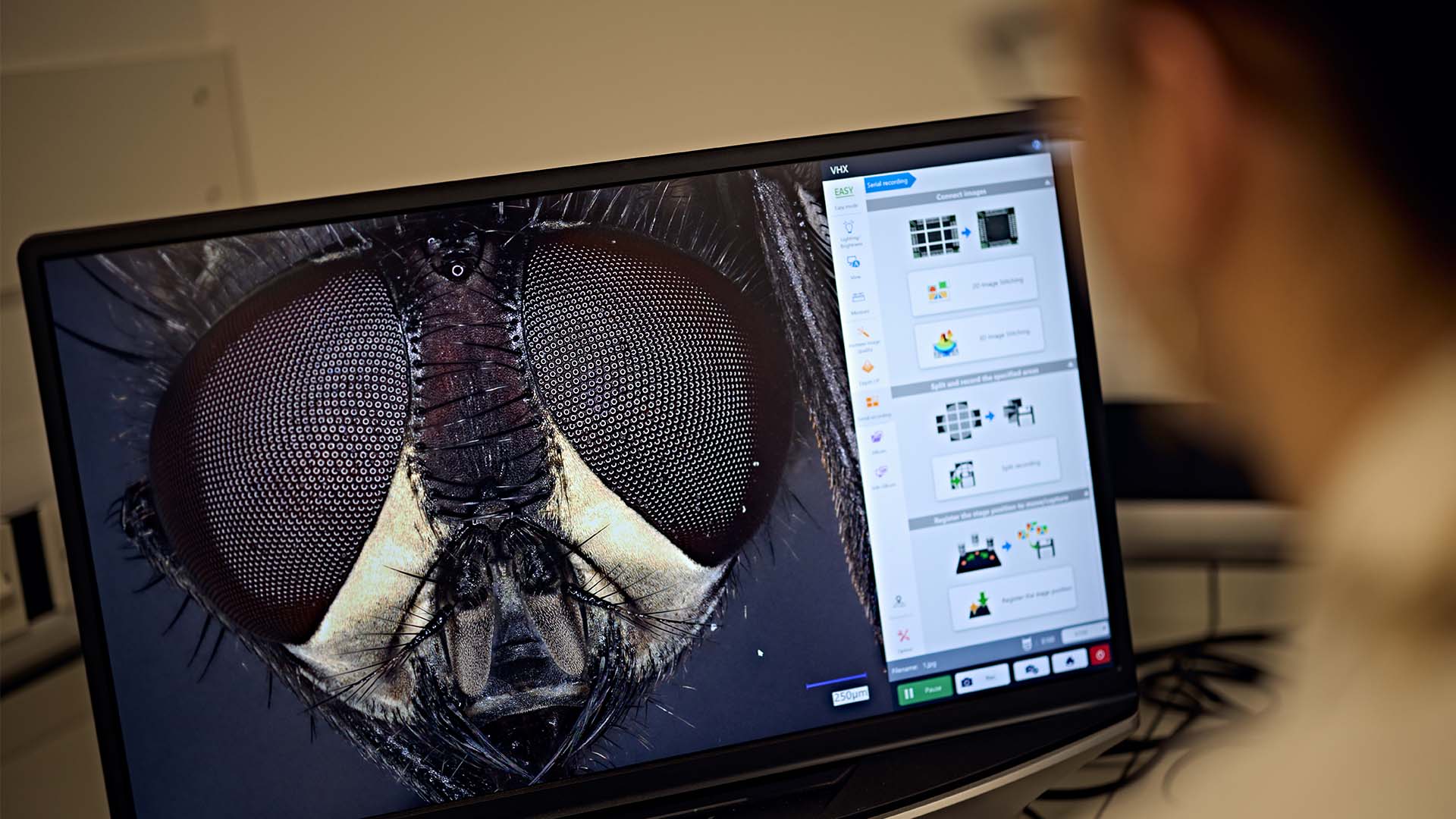
Explore Forensic Entomology and Entomotoxicology, using insects to support criminal investigations, estimate time since death and understand how drugs, chemicals and pollutants affect insect behaviour and development.
Toolmarks, Impressions and Ballistics
Explore Toolmarks, Impressions and Ballistics, analysing marks left by tools, firearms and ammunition using advanced imaging techniques to understand forensic evidence, including striations and the effects of heat and fire damage.
Forensic Taphonomy
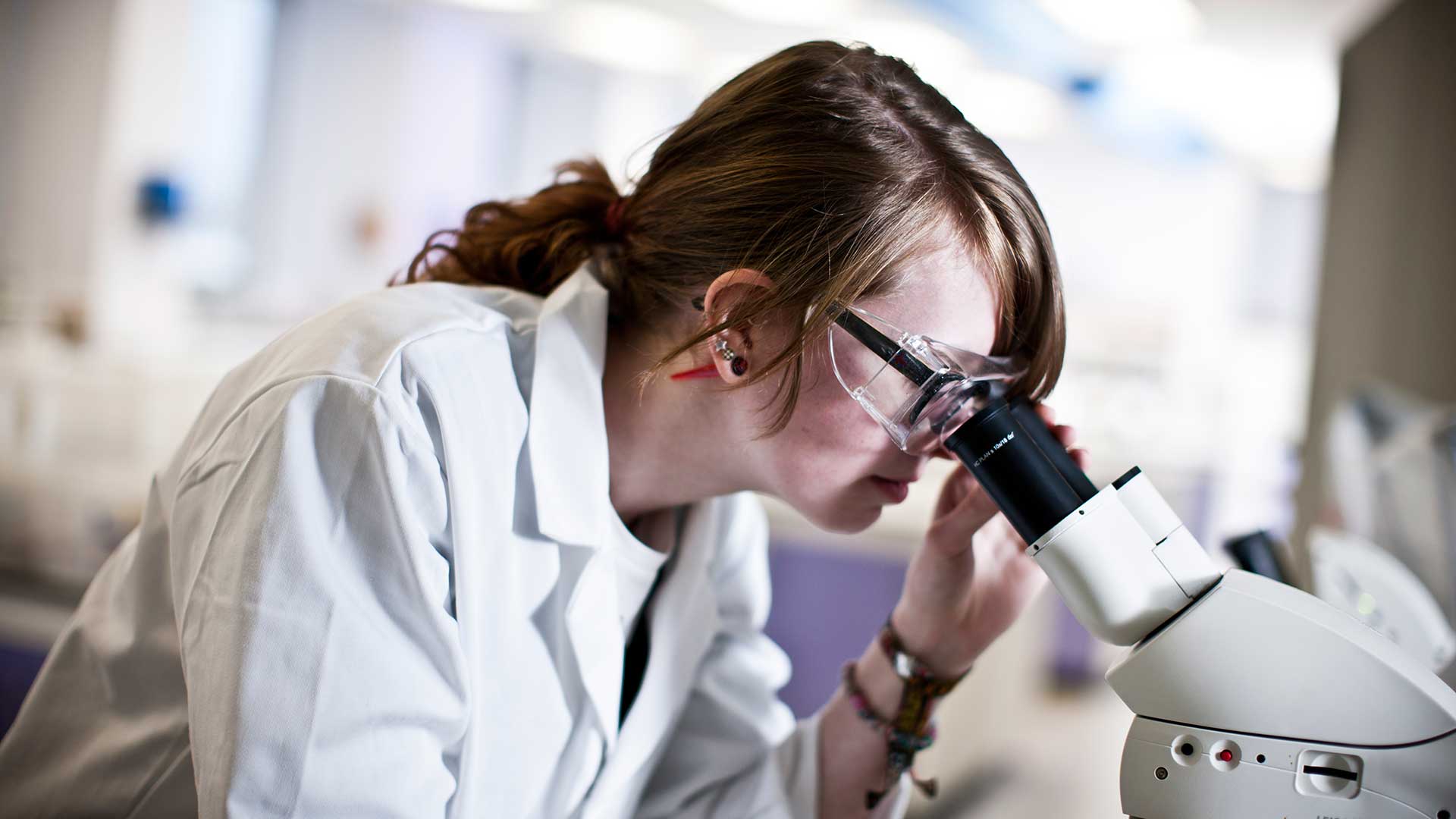
Explore Forensic Taphonomy, investigating how human remains decompose and how factors such as temperature, humidity, soil chemistry, insect activity and burial conditions influence forensic investigations.
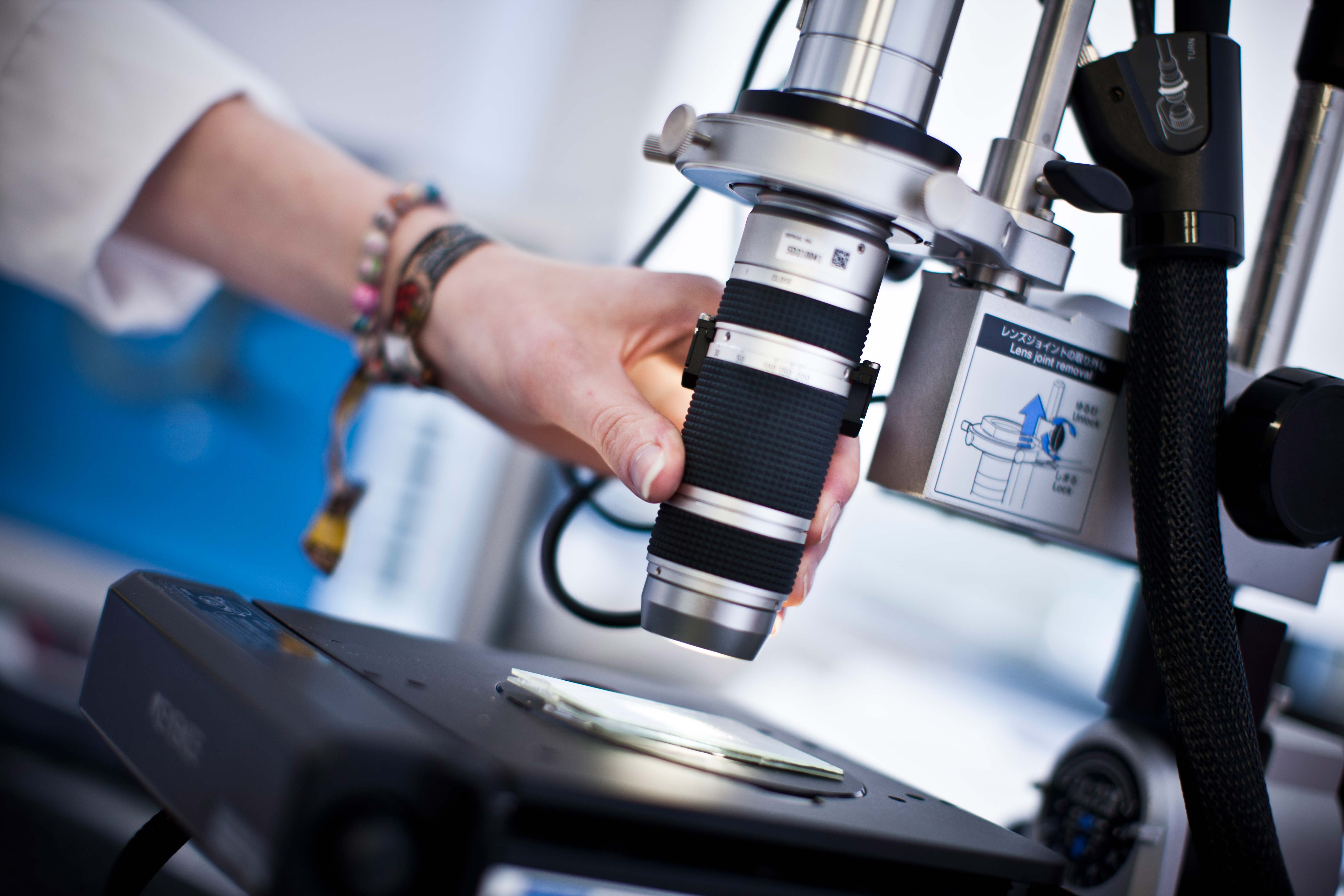
Forensic Textile Damage Analysis
Explore Forensic Textile Damage Analysis, investigating cuts, tears and other damage to clothing to help link garments with potential weapons and understand how textile evidence can support physical assault investigations.
Awards and achievements
Forensic Science researchers and academics at the University of Huddersfield have received recognition for research excellence, professional leadership and contributions to the wider forensic science community, including:
- Dr Katie Addinall, Lecturer in Forensic Science, was awarded the Beloe Fellowship 2021 by the Worshipful Company of Scientific Instrument Makers, recognising her research into advanced measurement technologies for ballistic toolmark evidence. The fellowship supported her work to develop more quantitative approaches to the identification and comparison of firearms evidence.
- Dr Gage Ashton, Lecturer in Forensic and Analytical Science, is Vice-Chair of the Royal Society of Chemistry’s Thermal Methods Group, reflecting his contribution to analytical and forensic science and engagement with the wider professional community.
- Forensic Science academics are also members of the Chartered Society of Forensic Sciences, supporting strong professional links and engagement with developments across the discipline. The University’s Forensic and Analytical Science degree programmes are accredited by the Society, with the current accreditation awarded in 2024.
These achievements demonstrate the expertise and professional standing of Huddersfield’s forensic science community, contributing to advances in forensic analysis, analytical techniques and the application of scientific evidence.
Our research centre
Centre for Chemical Design and Engineering
This interdisciplinary research centre brings together expertise in chemistry, chemical engineering, materials science, analytical and forensic science, and bioprocessing. Its integrated approach supports the development of novel materials, sustainable processes and innovative technologies addressing challenges across health, energy and environmental sustainability.
Research facilities
Research students have access to specialist facilities within the Joseph Priestley Building, supporting experimental research in forensic science, crime investigation and analytical science. Facilities include access to:
- specialist entomology laboratories with insect breeding facilities and activity monitoring equipment
- forensic textile damage analysis facilities
- advanced metrology instruments within the School of Engineering for toolmark, impression and ballistics research
- analytical laboratories with chromatography, spectroscopy and thermal analysis equipment
- specialist Ambient Ionisation Mass Spectrometry (AIMS) facilities.
These facilities support a range of experimental and applied research activities, enabling you to investigate areas including forensic entomology, taphonomy, textile damage, ballistics, wildlife crime and the analysis of counterfeit products.
Research environment and culture
Research students at the University of Huddersfield are part of a collaborative, inclusive and multidisciplinary research environment, bringing together scientists, clinicians and practitioners to work across shared areas of expertise. The research culture encourages innovation, translational impact and global engagement, supported by structured doctoral training and active research communities.
You’ll have opportunities to:
- engage in regular seminars, workshops and specialist research training sessions
- collaborate with peers and supervisors across disciplines in a supportive environment
- participate in international collaborations and knowledge exchange activities
- develop both academic research skills and wider professional competencies.
There are currently around 3 PhD students in the subject area, contributing to a close-knit but active research community. Students benefit from strong supervision, regular academic interaction, and a balanced research culture that supports both depth of study and professional development.
Useful links
Department of Physical and Life Sciences
Find out more about our Department of Physical and Life Sciences, located in our central Huddersfield campus, where you will undertake your studies.
Research degrees homepage
Find lots of useful information, including our list of research degrees, fees and funding advice and more about available research scholarships.