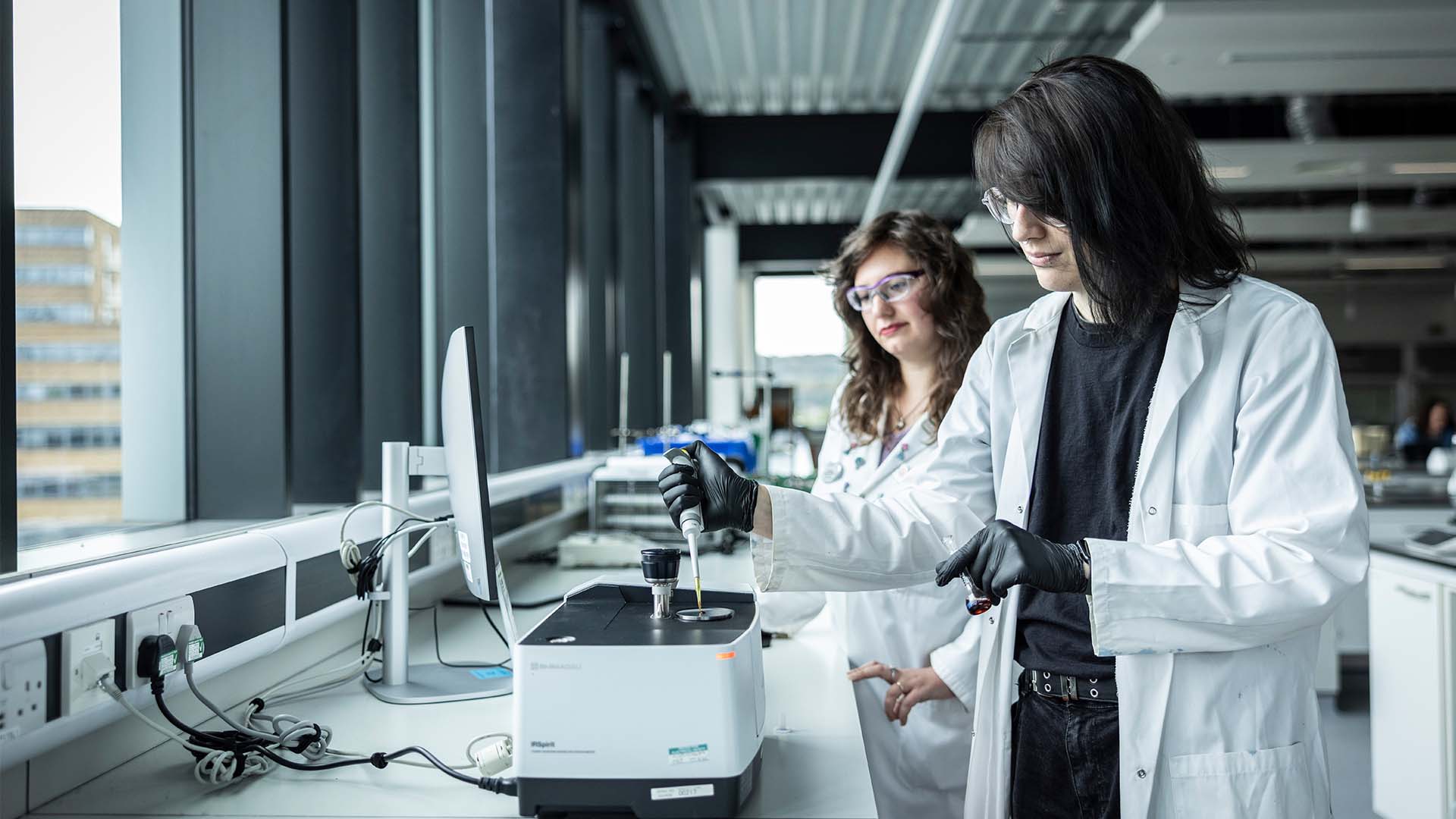
Research subjects in Chemistry at Huddersfield
Discover more about research in Chemistry: |
|---|
Why study a Chemistry research degree at Huddersfield?
Research in Chemistry at Huddersfield places you at the forefront of scientific discovery, combining strong academic expertise with a practical focus on addressing real-world challenges.
You’ll work alongside experienced researchers across a diverse range of chemical disciplines, including synthetic, analytical, materials, biomolecular and computational chemistry. This breadth of expertise creates opportunities to explore different approaches to research while developing specialist knowledge in your chosen area.
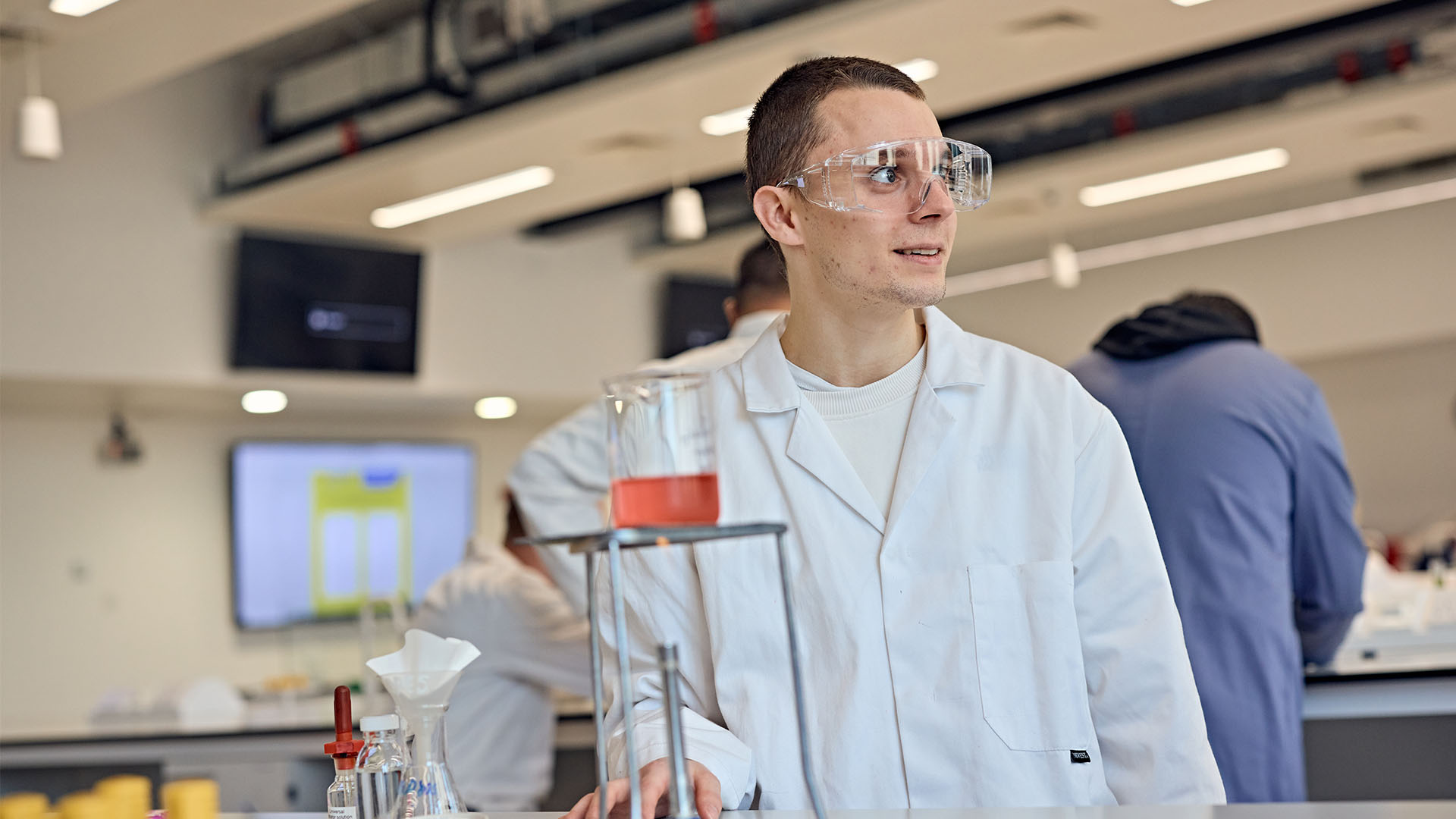
Chemistry research at Huddersfield is defined by its hands-on approach. You’ll work in modern laboratories with access to advanced instrumentation and computational facilities, developing practical experience in techniques ranging from chemical synthesis and spectroscopy to chromatography, materials characterisation and molecular modelling.
Benefits of a Chemistry research degree
- You’ll benefit from strong links with industry and external partners, with research addressing challenges across healthcare, sustainability, materials and environmental science. This connection between academic research and real-world applications helps you develop skills that are relevant beyond the laboratory.
- You’ll become part of a collaborative and supportive research community, with opportunities to work across disciplines, engage in specialist training and contribute to research with practical impact.
- You’ll graduate with advanced research, analytical and problem-solving skills, preparing you for careers across academia, industry, scientific research and the wider chemical sector.
Research disciplines in Chemistry
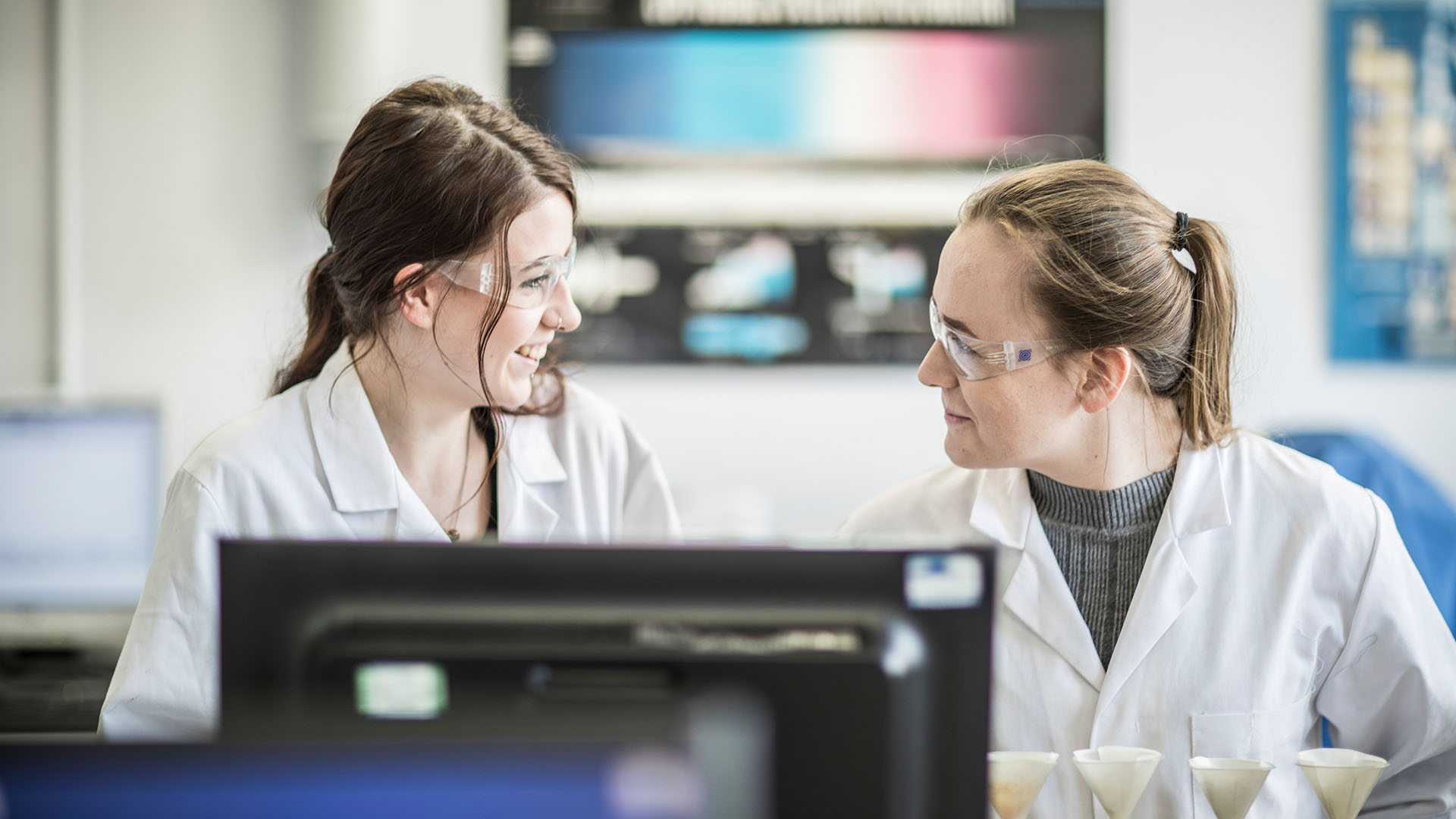
Chemical Synthesis and Design
Explore Chemical Synthesis and Design, discovering how new molecules and compounds are created using modern synthetic techniques to develop innovative solutions for healthcare, materials and industry.
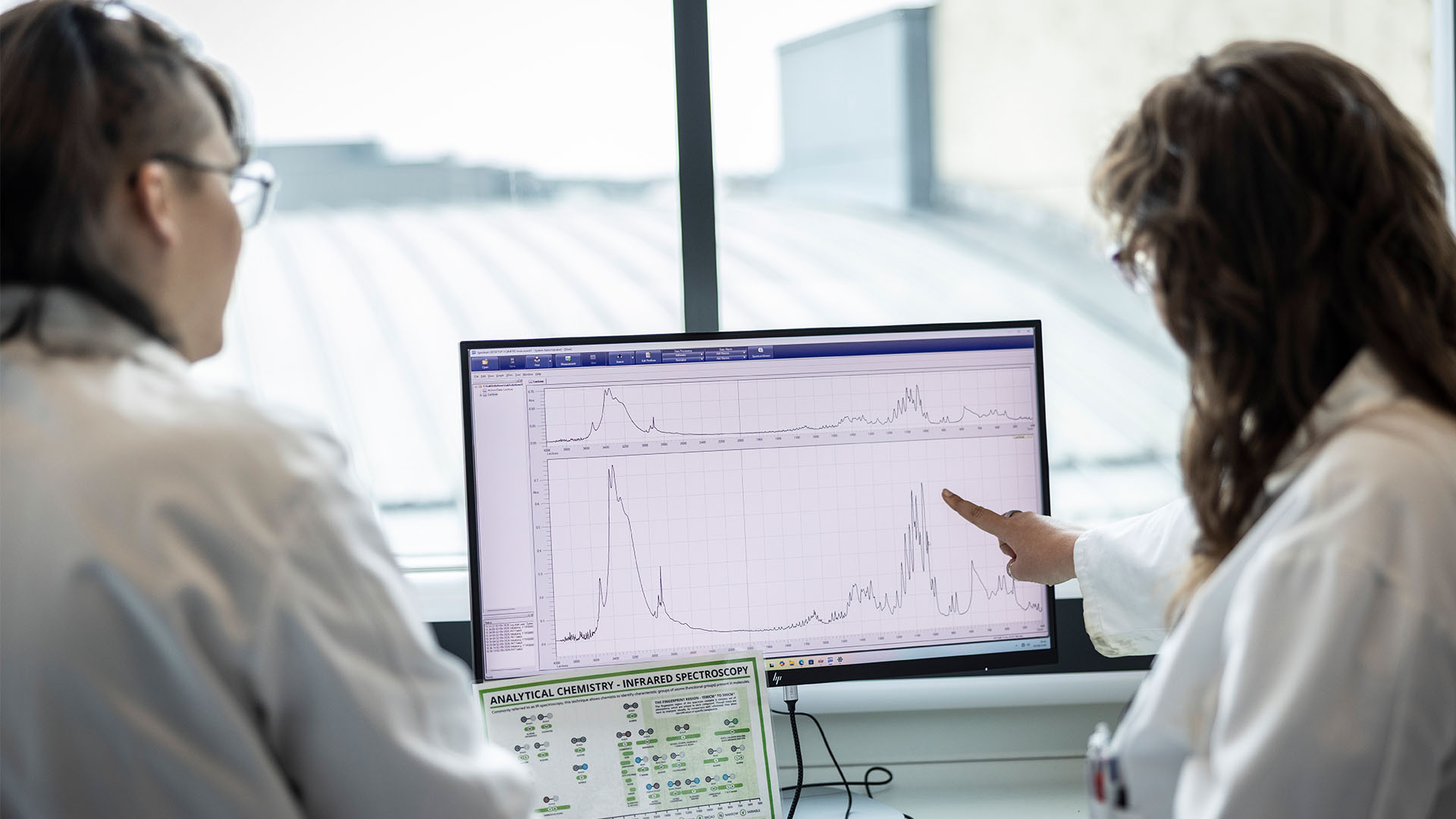
Computational Chemistry
Explore Computational Chemistry, using advanced modelling and high-performance computing to simulate molecular behaviour, investigate chemical interactions and accelerate scientific research and discovery.
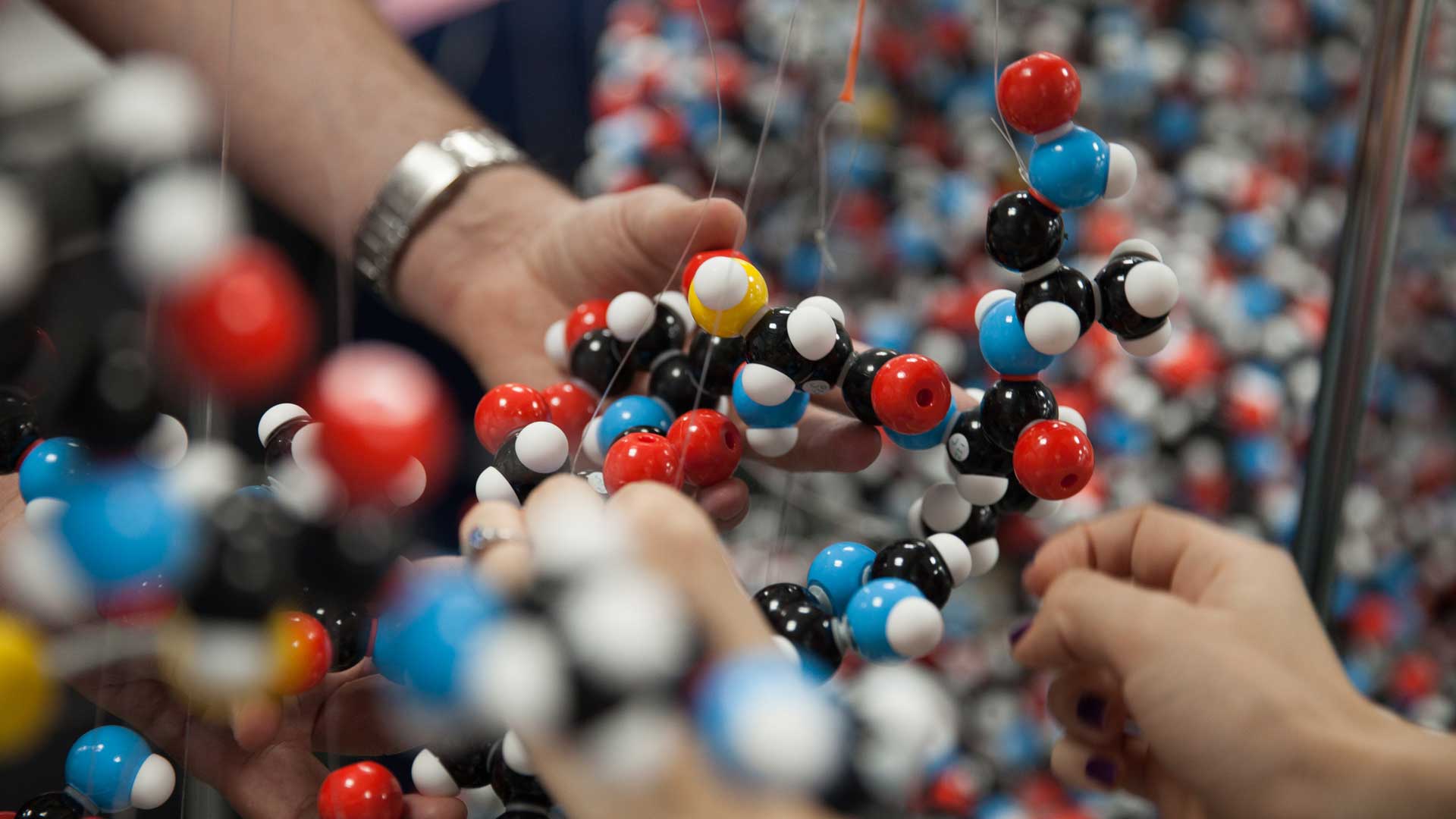
Structural, Molecular and Dynamic Modelling
Explore Structural, Molecular and Dynamic Modelling, using advanced modelling and structural analysis to understand molecular interactions, investigate chemical systems and predict the properties and behaviour of molecules.
Analytical Chemistry
Explore Analytical Chemistry, using advanced techniques such as spectroscopy and mass spectrometry to identify and analyse chemical substances, with applications across industry, healthcare and environmental research.

Biomolecular and Medicinal Chemistry
Explore Biomolecular and Medicinal Chemistry, investigating biologically active molecules, drug discovery and protein chemistry to understand biological systems and support the development of new treatments and therapeutic compounds.
Notable projects
Research in Chemistry at the University of Huddersfield contributes to advances in sustainable chemistry, environmental innovation, materials and chemical analysis.
Vaping chemistry and health
Investigating the chemical composition of vaping products, supporting a better understanding of the substances present and their potential implications for health and safety.
CO₂ recovery and sustainable chemistry
Exploring approaches to carbon dioxide recovery and reuse, supporting the development of more sustainable chemical processes and contributing to efforts to reduce environmental impact.
Sustainable extraction of natural materials
Investigating the extraction of pectin from okra, exploring plant-based sources of functional materials and their potential applications in sustainable and environmentally responsible processes.
Advanced chemical analysis and materials research
Applying analytical and chemical techniques to investigate the properties, composition and potential applications of materials, supporting research across environmental, industrial and healthcare contexts.
Our partnerships
Strong links with industry and external partners are an important feature of the research environment. Collaborations with organisations across industry, healthcare and environmental sectors support applied research, knowledge exchange and opportunities to develop solutions to real-world challenges. These connections help ensure research is informed by current scientific and industry needs, while providing opportunities for researchers to develop valuable skills and experience.
Our research centre
Centre for Chemical Design and Engineering
This interdisciplinary research centre brings together expertise in chemistry, chemical engineering, materials science, analytical and forensic science, and bioprocessing. Its integrated approach supports the development of novel materials, sustainable processes and innovative technologies addressing challenges across health, energy and environmental sustainability.
Research facilities
Research students have access to specialist facilities within the Joseph Priestley Building, supporting research across chemical synthesis, analytical chemistry, materials characterisation and computational science. Facilities include access to:
- gas and liquid chromatography, including GC-MS, GC-FID, HPLC-DAD and LC-MS
- NMR spectroscopy, including 300, 400 and 600 MHz instruments
- X-ray analysis, including XRF, XRD, PXRD and single-crystal XRD
- spectroscopy and thermal analysis, including FTIR, UV–Visible, TGA and DSC
- chemical synthesis laboratories, rheometry and microscopy facilities
- high-performance computing (HPC) facilities.
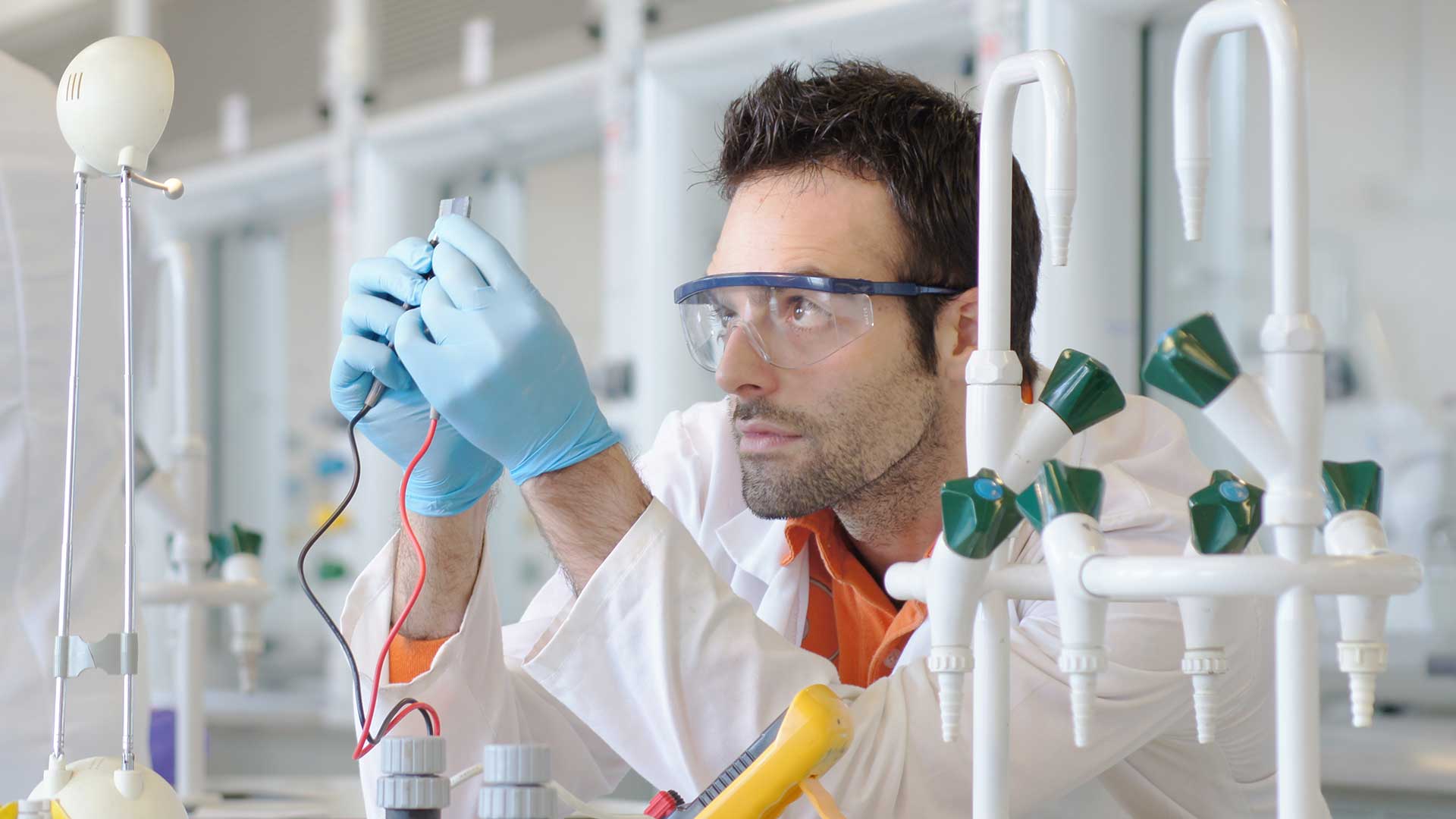
These facilities support a wide range of experimental and computational research activities, enabling you to synthesise, characterise and analyse materials and chemical compounds using advanced techniques and specialist equipment.
Research environment and culture
Research students at the University of Huddersfield are part of a collaborative, inclusive and multidisciplinary research environment, bringing together scientists, clinicians and practitioners to work across shared areas of expertise. The research culture encourages innovation, translational impact and global engagement, supported by structured doctoral training and active research communities.
You’ll have opportunities to:
- engage in regular seminars, workshops and specialist research training sessions
- collaborate with peers and supervisors across disciplines in a supportive environment
- participate in international collaborations and knowledge exchange activities
- develop both academic research skills and wider professional competencies.
There are currently around 15 PhD students in the subject area, contributing to a close-knit but active research community. Students benefit from strong supervision, regular academic interaction, and a balanced research culture that supports both depth of study and professional development.
Useful links
Department of Physical and Life Sciences
Find out more about our Department of Physical and Life Sciences, located in our central Huddersfield campus, where you will undertake your studies.
Research degrees homepage
Find lots of useful information, including our list of research degrees, fees and funding advice and more about available research scholarships.