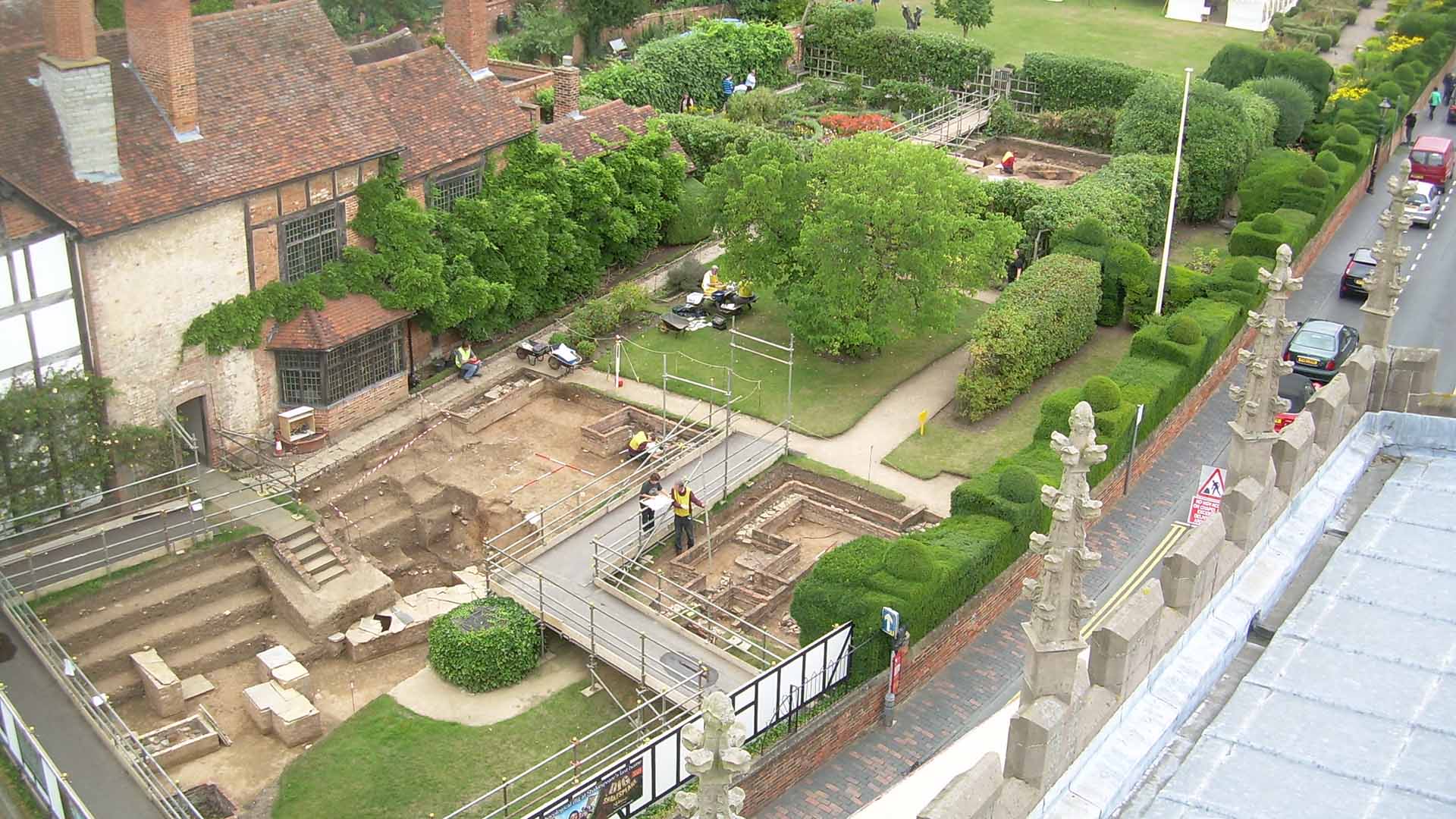
Research subjects in Archaeology at Huddersfield
Discover more about research in Archaeology: |
|---|
Why study an Archaeology research degree at Huddersfield?
Research in Archaeology at Huddersfield puts you at the centre of work that explores major historical and contemporary issues.
- You’ll work alongside leading experts from the Centre of Archaeology, a world-renowned hub recognised for its pioneering work in humanitarian, forensic and Holocaust Archaeology. This is a research environment where academic expertise meets real-world impact.
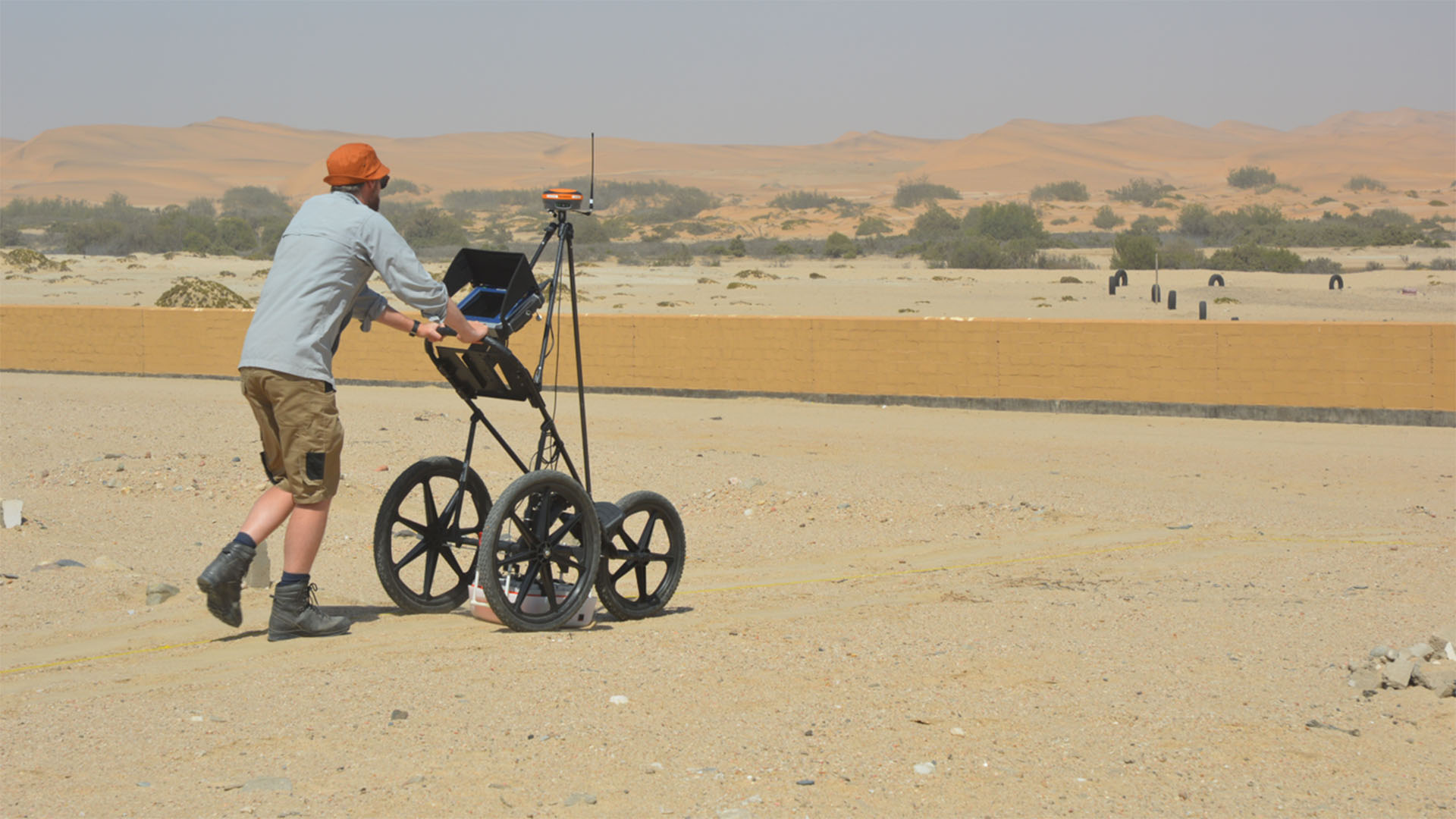
- You’ll use advanced techniques and technologies — from geophysical survey to forensic investigation — developing hands-on experience that directly applies to professional practice.
- Postgraduate researchers are embedded within active research teams, contributing to live projects and benefiting from international partnerships including with the United States Holocaust Memorial Museum and the The International Commission on Missing Persons.
- You’ll graduate with a broad, transferable skillset spanning analysis, fieldwork and teamwork, opening up careers across heritage, research, policy and humanitarian sectors.
Holocaust Archaeology
Investigates the material evidence of Nazi persecution and genocide, helping to recover lost histories, support memorialisation, and challenge denial.
This area is ideal if you’re motivated by social justice, ethics, and historical responsibility.
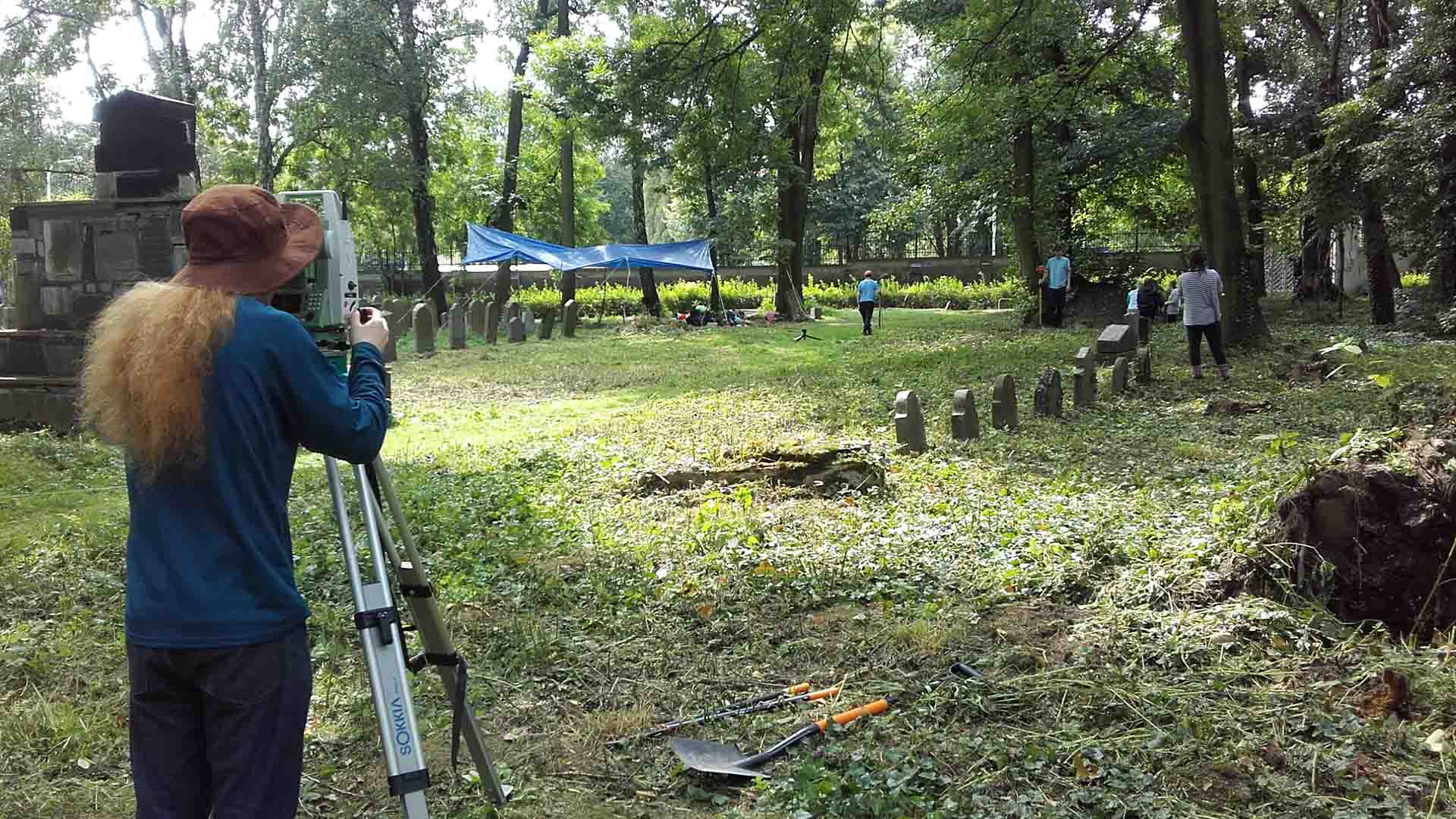
Forensic Archaeology
Applies archaeological methods to criminal and humanitarian investigations involving human remains. You’ll develop skills relevant to law enforcement, human rights work, and real-world investigative contexts.
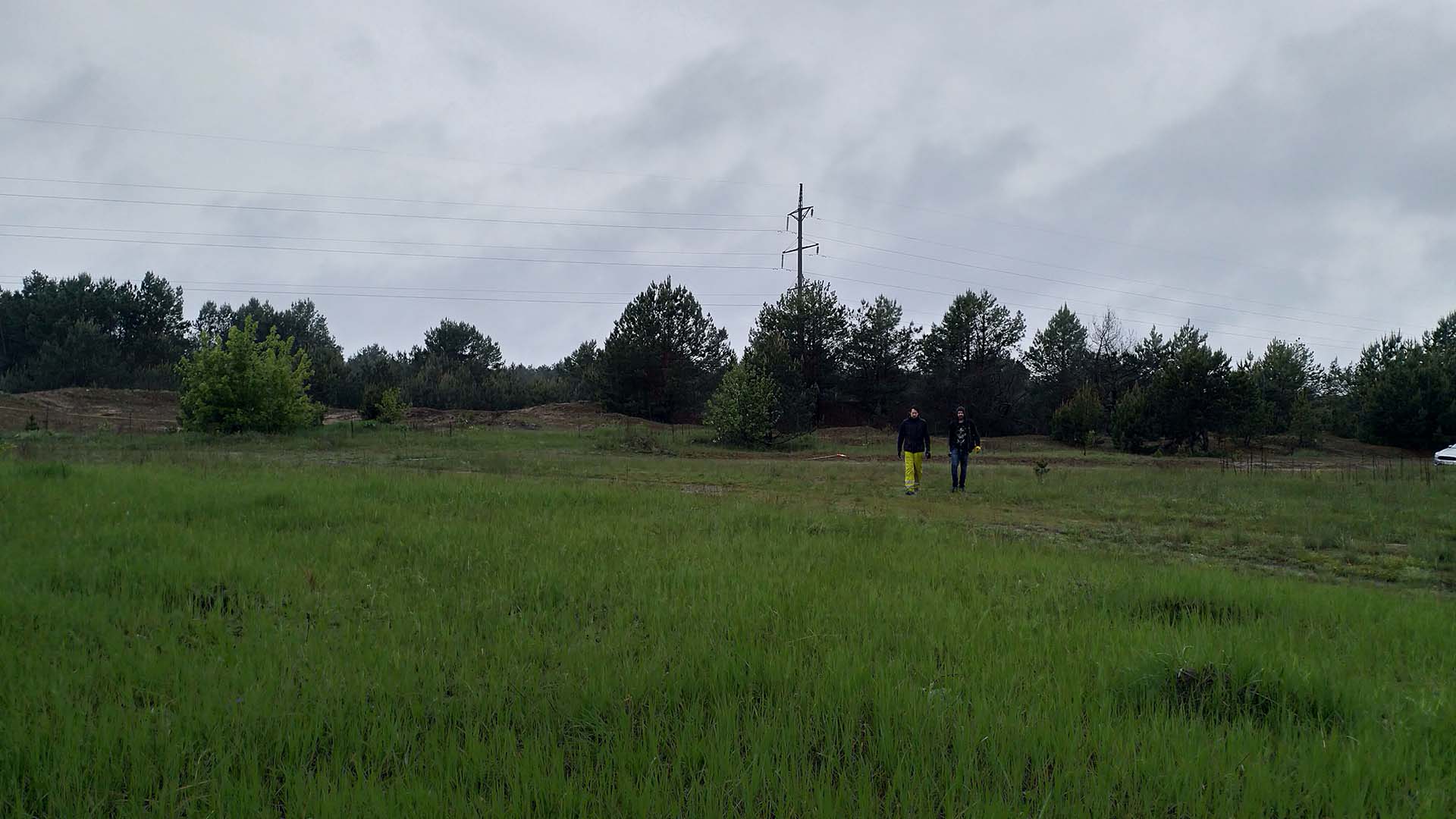
Humanitarian Archaeology
Uses archaeological expertise to address global challenges such as conflict, mass violence, forced migration, and disaster recovery. This discipline is suited to those who want to apply their research to crisis response and long-term societal impact.
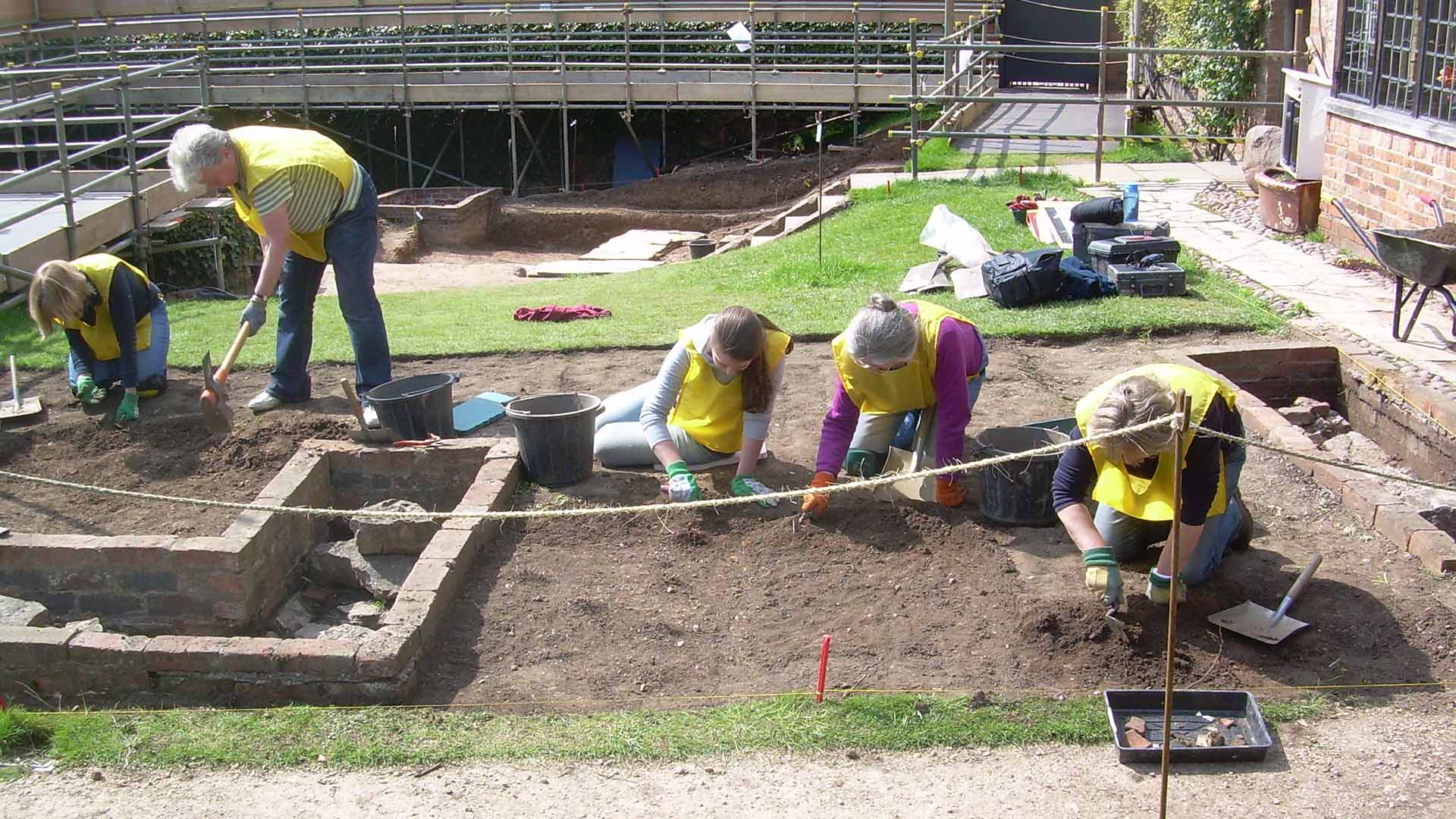
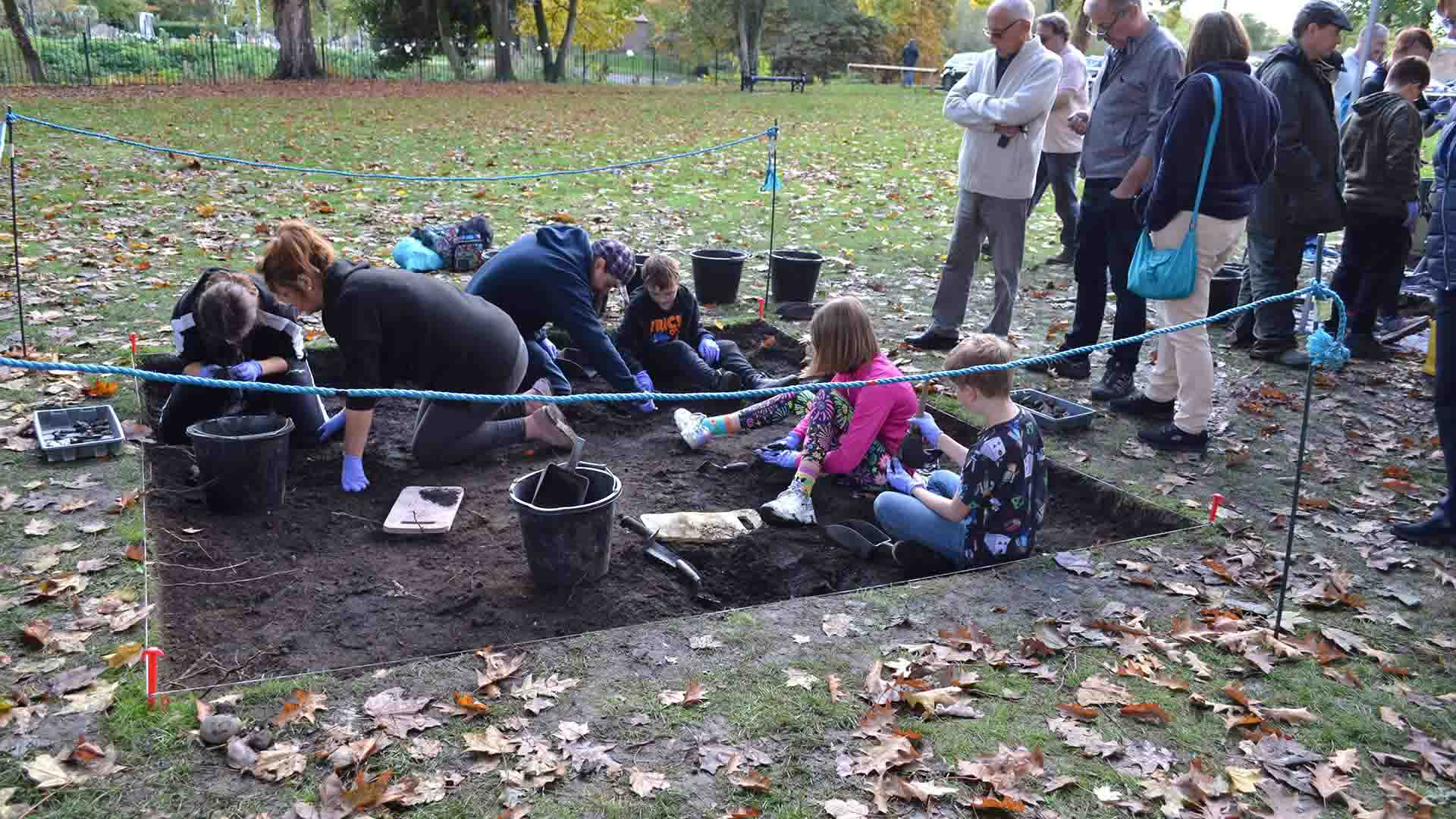
Community Archaeology
Focuses on collaborative research with local and descendant communities. You’ll explore inclusive heritage, public engagement, and participatory approaches to knowledge creation.
Industrial Archaeology
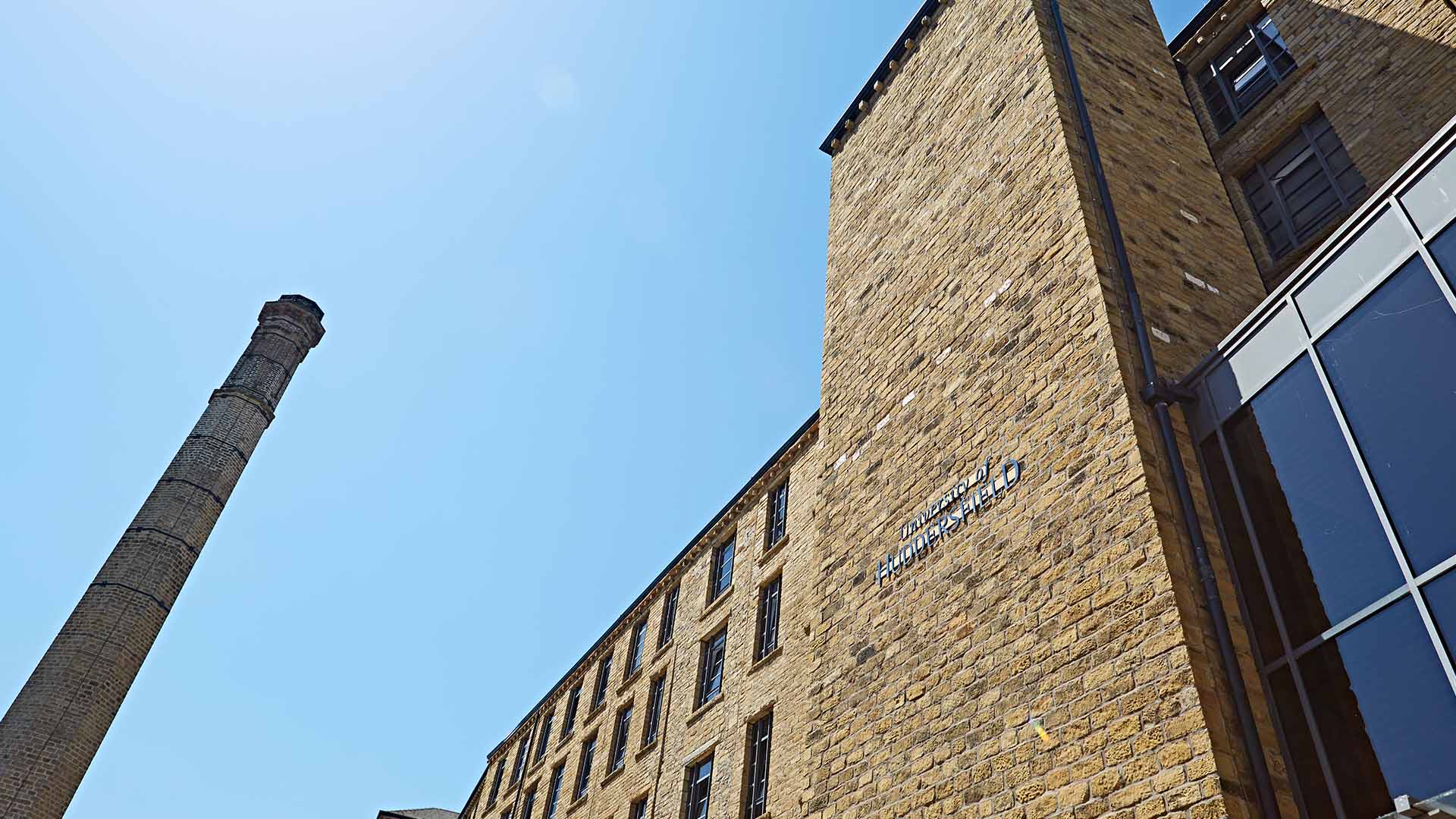
Examines the physical remains of industrial societies, from factories to infrastructure. This area provides insight into social change, labour history, and the development of the modern world.
Key achievements and projects

Notable projects
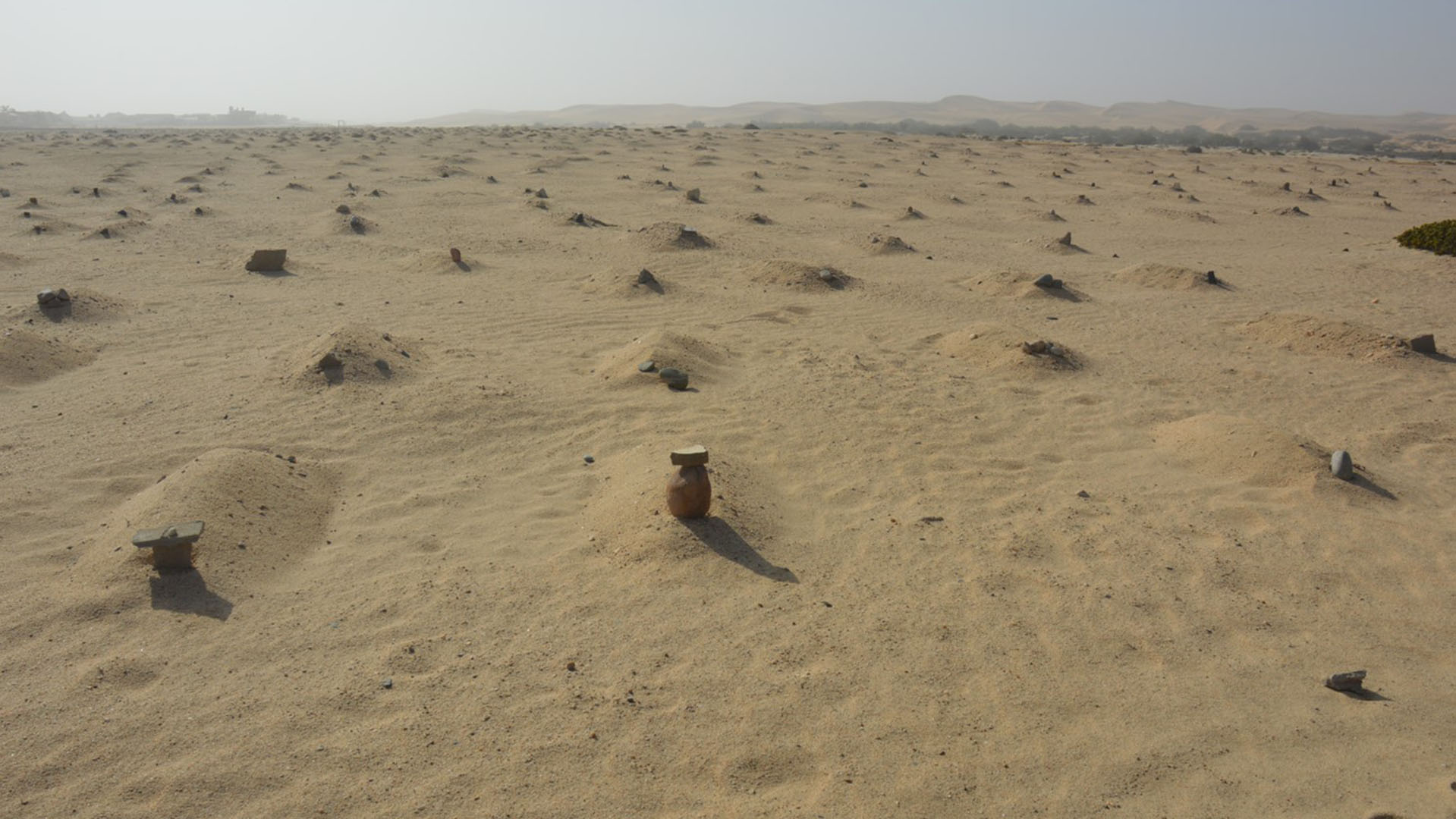
Read more about our recent projects, including investigations at mass graves linked to the Herero and Nama genocide, the Treblinka camps and William Shakespeare and his family.
Useful links
Research degrees homepage
Find lots of useful information, including our list of research degrees, fees and funding advice and more about available research scholarships.