Uni develops AI-vision system to make railway stations safer and more accessible
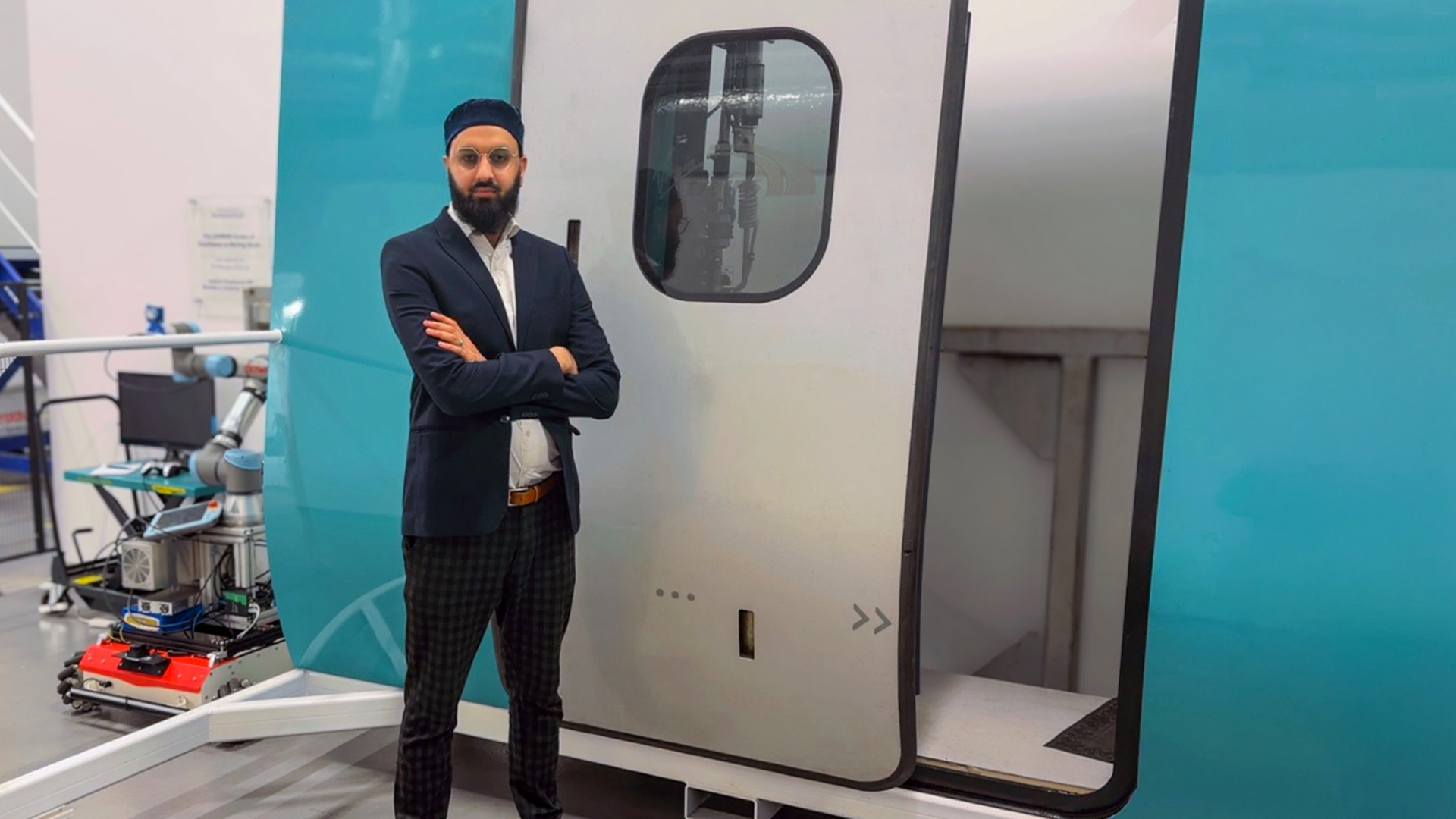
Academics at the University of Huddersfield have secured funding to develop a platform that uses artificial intelligence to help create safer, more accessible and inclusive railway stations across the UK.
Dr Muhammad Hussain, Senior Lecturer in Computer Science at the University, will lead the development of AccessRail Assist, an AI-powered system designed to transform existing railway CCTV into an intelligent passenger assistance system.
The new platform will be particularly useful at isolated and unstaffed stations, improving accessibility, safety and customer experience through the use of advanced computer vision and edge AI technologies.
It will be able to recognise situations where passengers may require support and respond by providing real-time passenger assistance, while also enabling remote safety interventions, intelligent incident response and evidence capture by preserving relevant CCTV footage.
For example, AccessRail Assist will identify accessibility hazards, safety-related incidents, inappropriate behaviour and emerging risks. The platform will then be able to trigger audio announcements, enhanced lighting and notifications to remote CCTV operators or safety control centres, helping to create a safer station environment for passengers.
In addition, if a passenger using a wheelchair approaches a staircase at a station using AccessRail Assist, it will automatically activate nearby digital signage to direct the passenger to the nearest lift or step-free route.
The University of Huddersfield team involved in the project includes Dr Hussain, Principal Investigator, who is part of the Centre for Autonomous and Intelligent Systems. Mujadded Alif is the project's lead researcher, responsible for the practical research and technical development of AccessRail Assist, including CCTV data collection, dataset development, computer vision model training and evaluation, and prototype implementation.
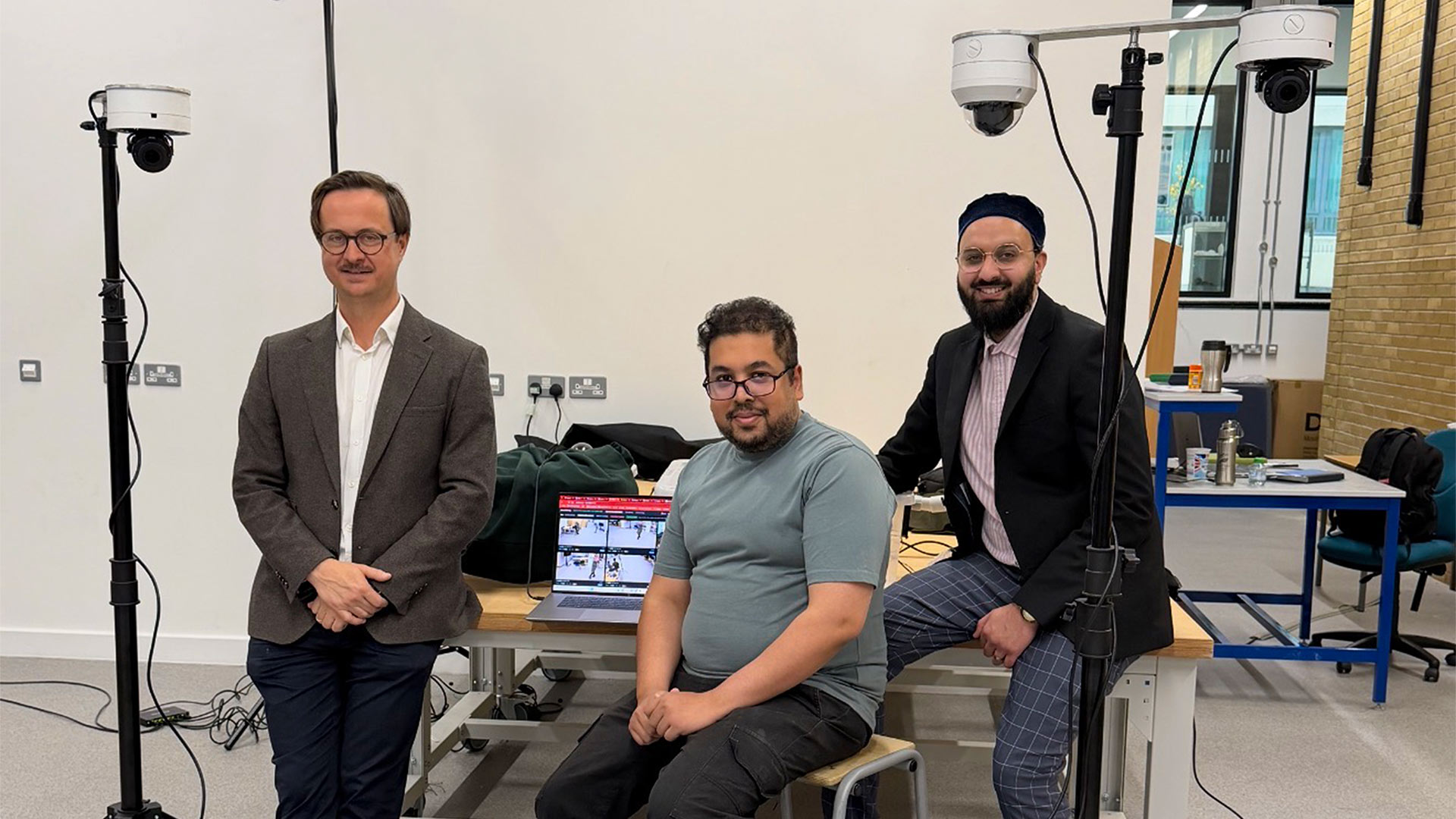
The wider team also includes Professor Gareth Tucker of the Institute of Railway Research, Professor of Psychology Maria Ioannou and forensic psychologist Dr Kalliopi Tzani-Pepelasi, bringing together expertise in railway engineering, artificial intelligence, psychology and passenger safeguarding.
Dr Hussain commented: “Everyone should be able to travel with confidence, regardless of their mobility or personal circumstances. AccessRail Assist demonstrates how artificial intelligence can make better use of technology that already exists in our railway stations to provide practical, real-time support when passengers need it most.
“By transforming existing CCTV systems into intelligent passenger assistance platforms, we hope to improve accessibility, enhance passenger safety and help create a more inclusive railway for everyone."
A working prototype is expected to be delivered within six months and will be tested at selected railway stations. Subject to successful evaluation, commercial deployment is expected within 12 to 18 months at selected railway stations. before wider deployment at stations throughout the country.
The project has received £91,000 in funding through the Department for Transport’s (DfT) First of a Kind (FOAK) Rail Programme 2026, which is delivered by Innovate UK. The programme funds the development of pioneering technology-led projects aimed at improving safety and reliability on the country’s rail network.
AccessRail Assist was funded under the Improving Customer Experience in Isolated Spaces challenge, one of eight in total, which are linked to DfT priorities.