Rail safety chief visits Huddersfield to see research shaping safer railways
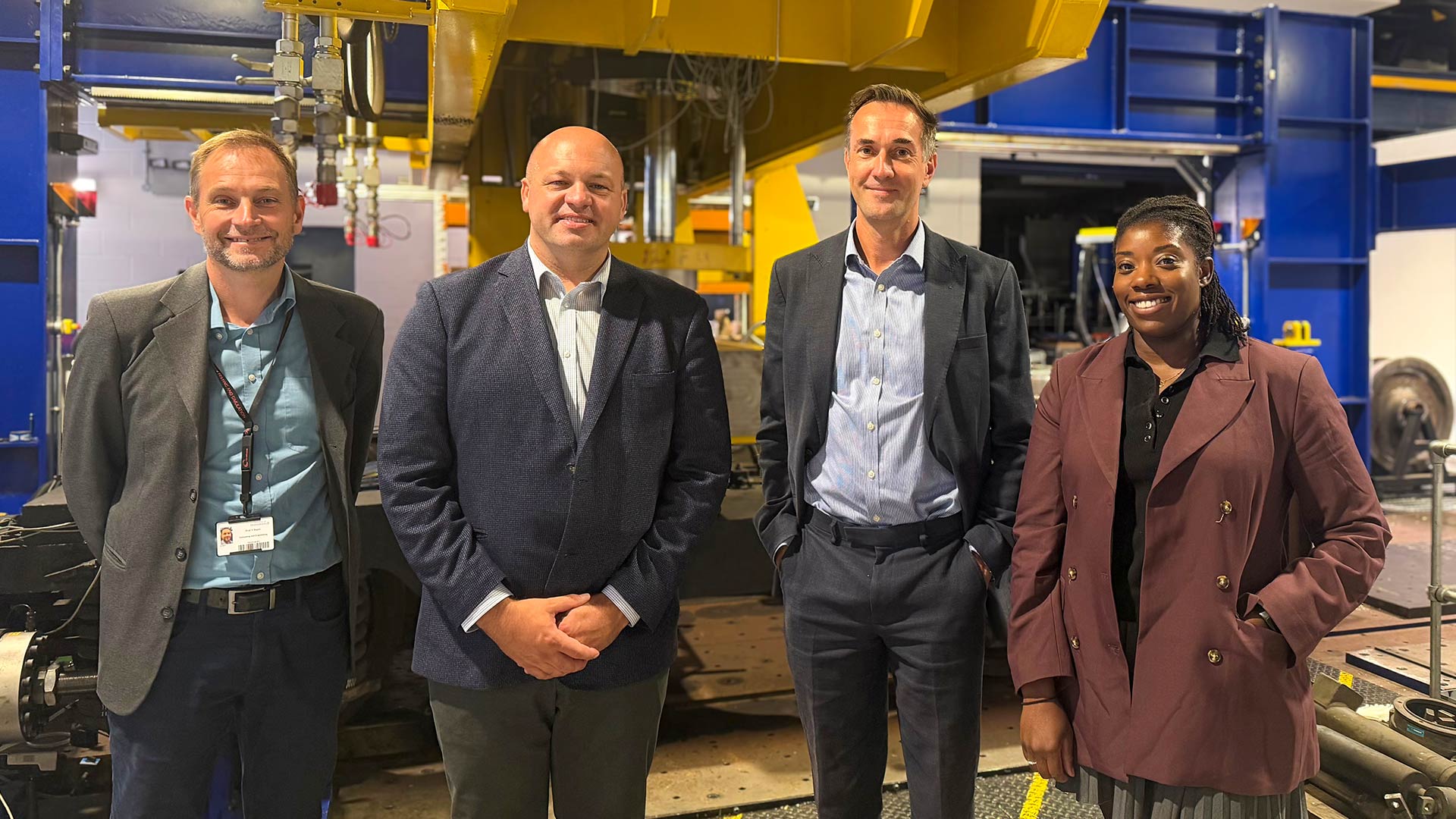
The University of Huddersfield’s Institute of Railway Research (IRR) welcomed the HM Chief Inspector of Railways to learn more about its research supporting a safer railway.
Richard Hines, Chief Inspector and Director of Railway Safety at the Office of Rail and Road (ORR), met academics at the IRR, including its Director, Professor Paul Allen, and was given an overview of the key research currently taking place there, as well as a tour of its facilities. The Rail Safety and Standards Board (RSSB), a Strategic Partner of the University and key funder of railway research, joined the session represented by its Head of Partnerships, Sharon Odetunde.
The session began with Mr Hines delivering a keynote address, including a reflection on recent tragic events on the railways and how industry and academia can work closely together with the ORR to ensure Great Britain’s world-renowned levels of railway safety are maintained as the industry faces both economic and climatic challenges.
The keynote was followed by an overview of the IRR’s work and the complementary capabilities across the UK Rail Research and Innovation Network (UKRRIN) from Professor Allen, with subsequent presentations of IRR research projects funded by RSSB and Network Rail. These were recognised and endorsed by Mr Hines in his role as HM Chief Inspector of Railways as having a real impact on railway safety and being pertinent to the current challenges facing the railway. The highlighted case studies comprised:
- In collaboration with the University of Southampton, investigating how hot weather affects rail infrastructure and using advanced modelling to reduce disruption from track buckling while maintaining safety on the network – Paul Molyneux-Berry.
- Developing real-time safety monitoring tools that use live railway data to identify emerging operational risks, including train approaches to red signals, driver behaviour and over-speeding; work that is helping the industry move from reacting to incidents to preventing them before they occur – Dr Julian Stow and Dr Rawia Rashidi.
- Using data from Wheel Impact Load Detectors (WILD) to identify unevenly loaded freight wagons before they lead to safety incidents, enabling more targeted and proactive maintenance – Professor Adam Bevan and Kris Sztrauch.
In addition, Mr Hines took part in an open discussion focusing on priority research areas and how the IRR can further support His Majesty’s Railway Inspectorate (HMRI), with an agreed joint action to work towards increased collaboration with the IRR, UKRRIN and wider industry stakeholders.
Professor Allen commented: “It was a pleasure to host Mr Hines in his role as HMRI Chief Inspector; his keynote provided the IRR team with real insight into the challenges faced by our railways, and the visibility and endorsement of our work was truly inspiring for our research team. We very much look forward to developing a closer working relationship with HMRI and partnering with key stakeholders to ensure we maintain the enviable safety record of GB railways.”
Mr Hines commented: “It was a pleasure to meet Professor Paul Allen and the team and to see first-hand the impressive work taking place at the Institute. What stood out was the clear focus on issues that matter to the railway today and the extent to which research is already being applied in industry. The projects I saw are helping improve understanding of risk, informing operational and engineering decisions, and supporting practical action to improve safety across the network.”
“I am keen that we build on these discussions and continue working closely together. Strong collaboration between industry, academia and ORR helps ensure that research is translated into practical solutions that deliver real benefits for passengers, workers and the wider railway.”
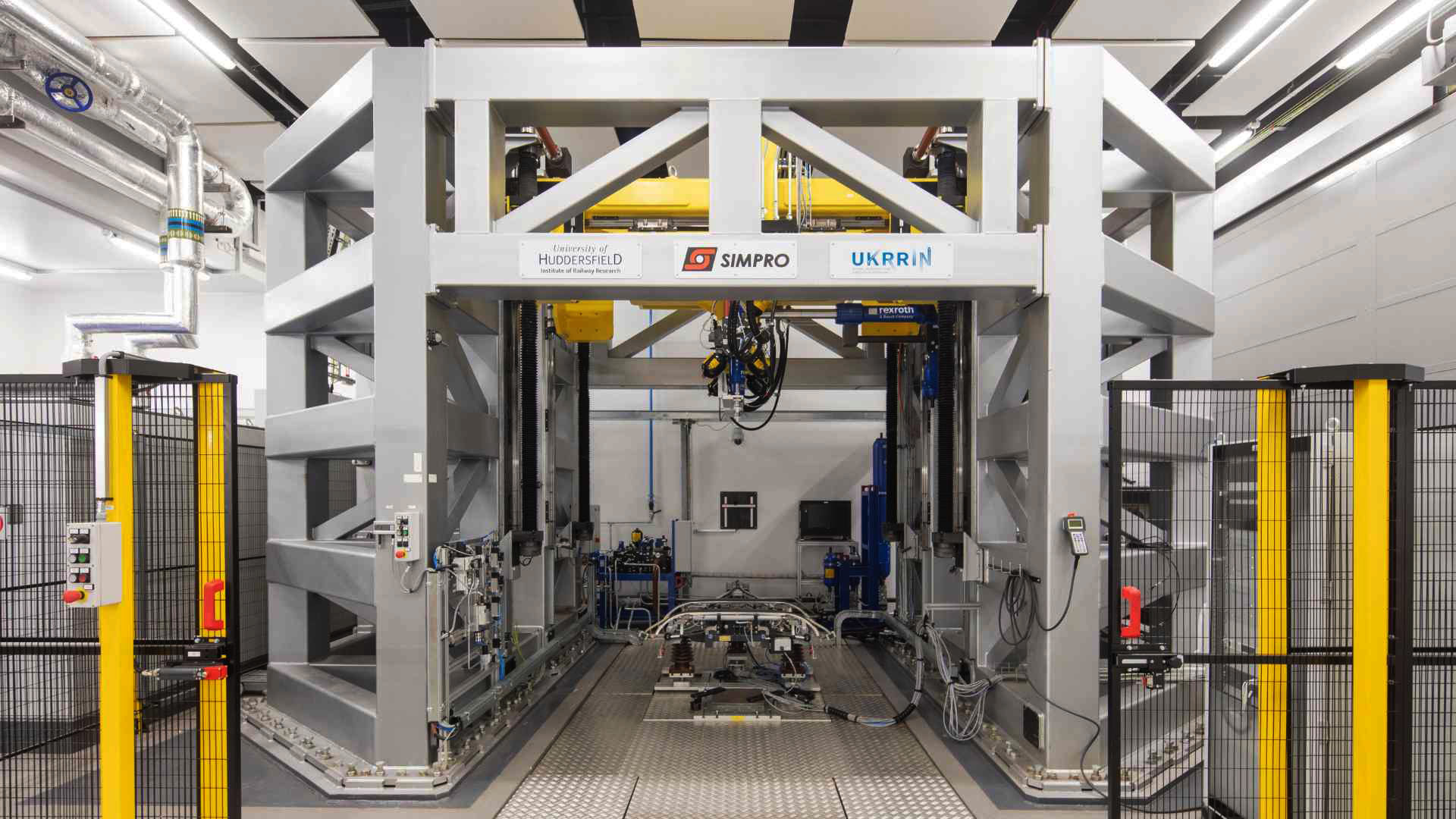
The University’s IRR comprises a team of more than 30 dedicated academic research staff and is equipped with state-of-the-art full-scale test facilities where it can simulate and test rail systems. It has built up a reputation as a world-class centre for railway engineering research and innovation, working closely with industry and academic partners to deliver impactful research for a safer, more reliable and cost-efficient low-carbon railway.
The ORR is the independent regulator for Britain's railways, with oversight of safety and performance across the network. Its rail safety division, HMRI, inspects the rail network, enforces health and safety standards, and investigates incidents to help keep passengers, workers and the public safe.
The RSSB is the independent safety, standards and research body for Great Britain’s rail network. It also coordinates UKRRIN, which brings together universities and industry partners to develop and accelerate the adoption of innovative railway technologies and solutions.