University hosts fourth GCPHR annual conference
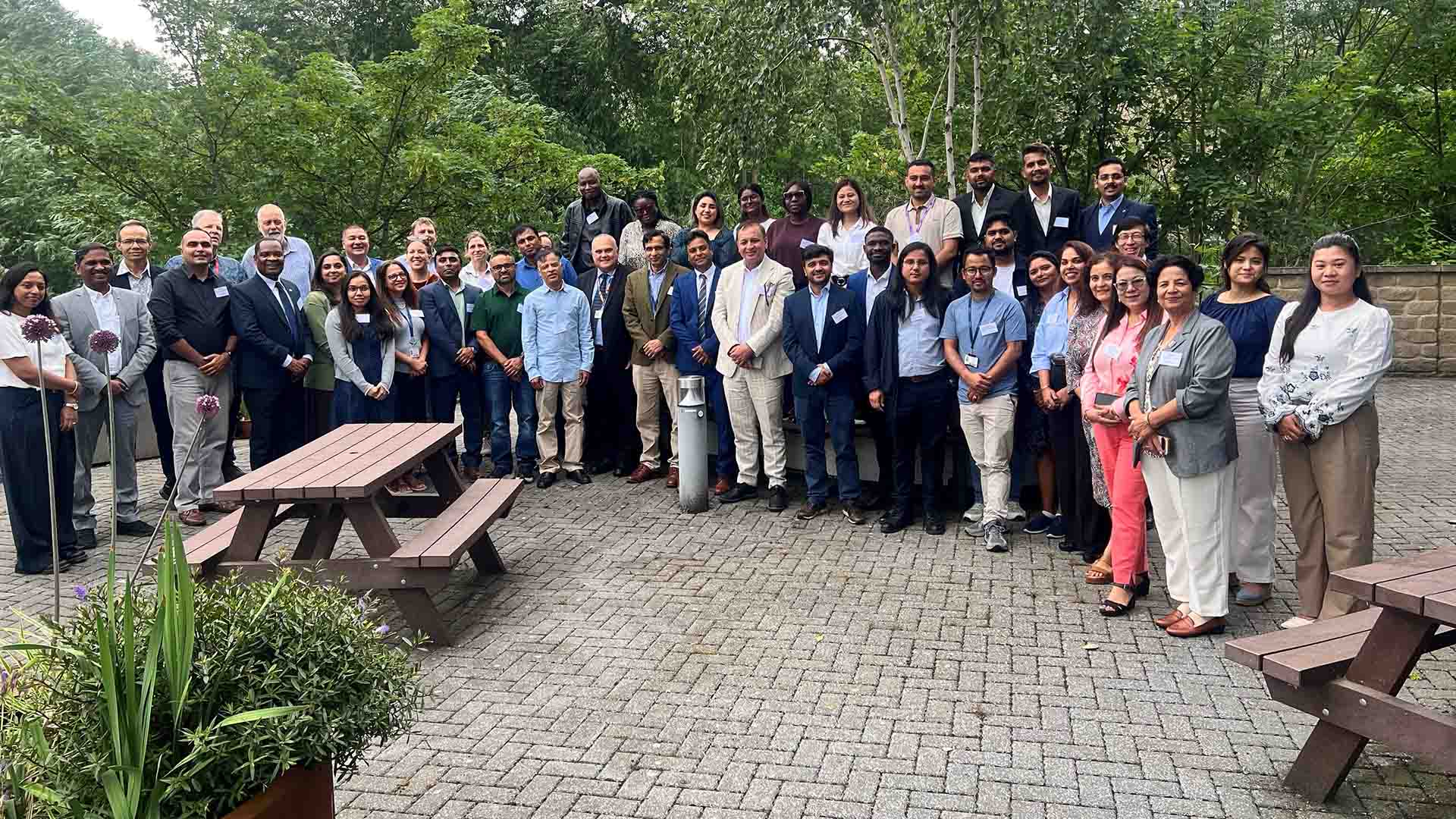
More than 70 academics, researchers, public health professionals, policymakers, research partners and early-career scholars from around the world came together recently at the University of Huddersfield for the Global Consortium for Public Health Research (GCPHR) 4th Annual Conference.
The conference provided a platform for meaningful discussion, knowledge exchange and collaboration on how global health research can become more inclusive and responsive to the needs of global communities.
Professor Parikshit Goswami, Director of Research and Innovation and Professor Warren Gillibrand, Dean of School of Human and Health Sciences welcomed the national and international delegates and reaffirmed the university’s commitment to supporting interdisciplinary, innovative, and collaborative research that addresses global health challenges.
“The conference had a wonderfully positive and collaborative atmosphere, bringing together colleagues from across disciplines, sectors and countries around a shared commitment to equitable partnerships in global health research,” said Professor Goswami. “It was inspiring to see such energy, openness and ambition in the discussions.”
Professor Padam Simkhada, GCPHR Lead & Dean of Global Impact and Research at the University of Chester, reflected on the significant progress and achievements of the consortium since its launch in 2023.
“Equitable partnerships are fundamental to impactful global health research,” Prof Simkhada added. “Built on trust, mutual respect, and shared ownership, they ensure that local priorities and diverse expertise shape research agendas. Through GCPHR, we are fostering sustainable collaborations that strengthen capacity, co-create knowledge, and generate evidence that delivers meaningful and lasting benefits for communities worldwide.”
Challenges with Global Health Security and Social Inequalities
The keynote speakers were Professor Andrew Lee, Professor of Public Health at Sheffield Centre for Health and Related Research, University of Sheffield and Professor Paul Bissell, Pro Vice-Chancellor Research and Innovation at the University of Chester.
They highlighted the interconnected challenges of emerging infectious diseases and persistent social inequalities. Global health security, rapid response capabilities, international collaboration and addressing the social determinants that shape exposure, vulnerability, health outcomes and life expectancy were among the headline issues addressed. They called for greater interdisciplinary and cross-sector collaboration to build resilient health systems, improve pandemic preparedness and reduce health inequalities worldwide.
The invited talks reinforced the conference theme of “Equitable Partnerships in Global Health Research,” highlighting collaboration, capacity strengthening, decolonisation, community engagement and knowledge translation. Speakers emphasised the value of sustainable partnerships built on mutual learning, mentorship, shared leadership, and long-term commitment between institutions in high-income countries and LMICs.
Professor Edwin van Teijlingen further advocated for equitable participation in academic publishing, stressing fair authorship and recognition of contributions as essential to achieving truly equitable global health research partnerships.
Decolonising Global Health Research
In a dedicated session on decolonising global health research, Dr Roxanne Keynejad highlighted the need to sustain decolonial approaches despite global health funding retrenchment, while Professor Abhay Gaidhane called for a shift from participation to leadership by Global South researchers and institutions. Professor Alfred E. Yawson emphasised equitable partnerships based on shared decision-making, local ownership, and mutual benefit.
Community and Public Engagement
The conference also highlighted the critical role of community and public engagement in global health research. Dr Gracia Fellmeth and Professor Komal Chawla highlighted the importance of strengthening research capacity and building equitable partnerships in LMICs. Dr Tim Arueyingho examined how culture and context shape the use of AI in mental health, while Professor Julie Balen shared lessons from six African countries demonstrating how meaningful community engagement can help decolonise global health innovation and enhance research relevance, equity, and impact.
A panel discussion brought the conference to a close, highlighting that future global public health research in an evolving sociopolitical, economic, and technological landscape must be inclusive, interdisciplinary, and built on equitable partnerships to address emerging global challenges.
The conference also featured an engaging poster exhibition, led by Dr Bibha Simkhada, Reader in Nursing and Deputy Director of Graduate Education (Nursing), Dr Devendra Raj Singh, Senior Skills Educator in Health & Social Care, and Postgraduate Research Students. The exhibition showcased over 20 research posters from SHHS doctoral students, and UK and international partner institutions, fostering knowledge exchange, collaboration, networking, and research dissemination.

Conference organiser Dr Rajeeb Kumar Sah, Reader in Public Health, SHHS Strategic Lead International and Co-Lead of GCPHR, added, “The successful delivery of the 2026 GCPHR Annual Conference demonstrates the power of collective action in addressing complex public health challenges. The conference highlighted the importance of equitable partnerships in global health research, recognising that sustainable solutions require collaboration built on mutual respect, shared leadership and the meaningful involvement of researchers and communities across the world.”
Established in 2023, GCPHR promotes international collaboration to address global health challenges through research innovation, capacity strengthening and evidence-informed policy engagement. Building on the success of the previous three events (2023, 2024, 2025), the consortium continues to connect researchers, policymakers, practitioners, and community partners to advance equitable and ethical global health research partnerships.