Research gives voice to Colombia's missing as project locates mass graves
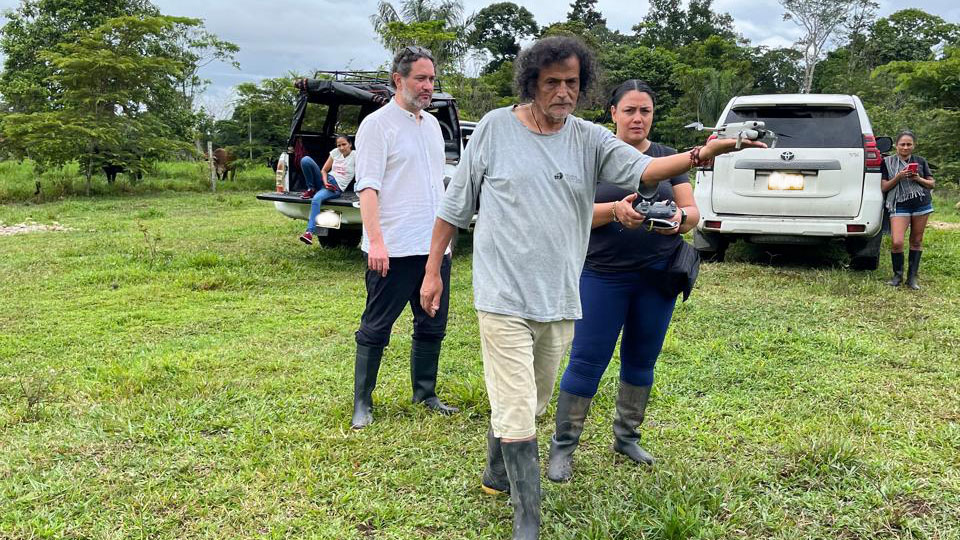
A University of Huddersfield research project is helping communities in Colombia find answers about loved ones who disappeared during the country's long-running armed conflict.
The Transmedia for Transitional Justice (T4TJ) project, led by Dr Camilo Tamayo Gomez in the School of Human and Health Sciences, combines participatory research, AI-assisted analysis, community mapping, drone technologies, and citizen-led storytelling to support transitional justice processes in one of the world's most complex post-conflict settings.
The project will also collaborate with the university’s Centre for Archaeology, whose experts have used non-invasive technology to discover mass graves linked to the Holocaust in Poland as well as the Ovaherero-Nama genocide in Namibia.
Colombia's internal armed conflict has left an estimated 150,000 people reported missing over recent decades. Despite the efforts of the national search unit, progress remains slow and countless families continue to await answers. Conventional forensic investigations face particular obstacles in remote regions, where local knowledge, community participation and trust are essential to the work.
Following a second fieldwork mission in the Caquetá region, conducted in partnership with grassroots organisation Escuela Audiovisual Infantil, the T4TJ project team has identified two areas where clandestine mass graves are believed to be located. Preliminary findings suggest these sites may contain the remains of between 15 and 20 individuals, people whose families have spent decades searching for truth, dignity and closure.
Dr Tamayo Gomez said: "This work belongs to the communities. What we are doing is creating the conditions in which their knowledge, their testimony, and their demand for justice can be heard and acted upon."
Caquetá is a vast, predominantly rural department that serves as a strategic gateway to the Colombian Amazon. For decades, its dispersed settlements, dense forests, extensive river systems and limited state presence made it a theatre for armed organisations, while creating formidable obstacles to documenting violence and locating victims. Paramilitary groups, particularly during their territorial expansion in the late 1990s and early 2000s, committed grave atrocities against campesino, Indigenous and other rural communities, including massacres, selective killings, forced displacement and forced disappearance. Bodies were concealed in clandestine graves or disposed of in rivers and remote forested areas, practices intended not only to eliminate victims but to erase evidence and terrorise communities into submission.
Race against time
Searching for the missing in Caquetá is much more than a forensic undertaking. It is a humanitarian, social and political process, one that can help end the prolonged uncertainty experienced by families, restore the identity and dignity of victims, and reconstruct histories of violence that were deliberately suppressed. In a territory where environmental conditions, continuing insecurity and landscape transformation threaten to destroy or obscure evidence, advancing this work is also a race against time.
The project is now planning a third mission focused on exhumation, in collaboration with the University's Centre of Archaeology, the Office of the Attorney General of Colombia, and affected communities. The aim is not only to recover human remains but to co-produce audiovisual and transmedia materials that commemorate and dignify the memory of the missing.
Linking up with Huddersfield's Centre of Archaeology
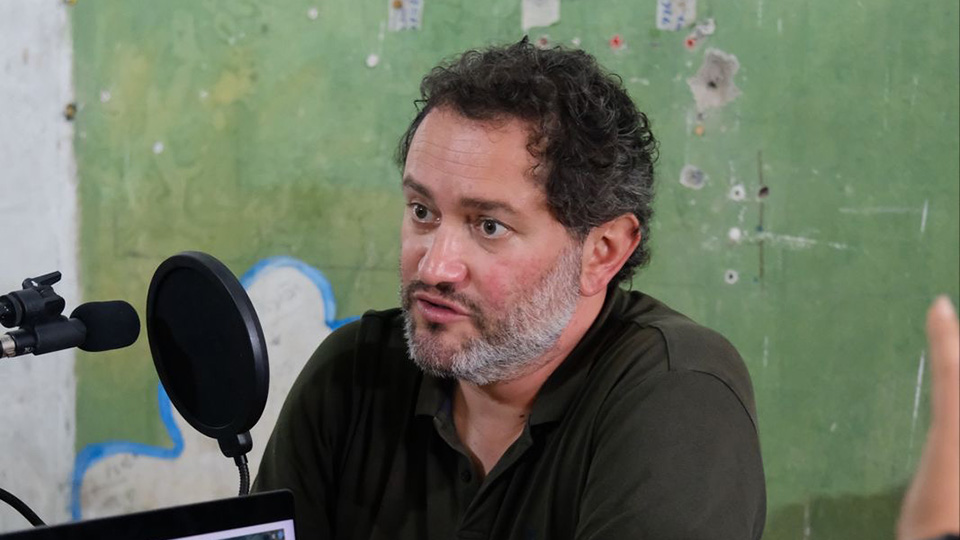
“The Centre of Archaeology's Caroline Sturdy Colls, Kevin Colls and I have also been collaborating through the Reimagining Victims’ Reparation Global Network (RVRGN), which has provided an important space for bringing together different disciplinary perspectives on victims’ reparation, memory and transitional justice,” Dr Tamayo Gomez adds.
"Their involvement in this project builds on an existing collaboration and creates an exciting connection between our community-led work in Colombia and their extensive expertise in forensic and conflict archaeology. Caroline and Kevin bring considerable experience in non-invasive archaeological methods, archaeological and digital survey techniques, and the investigation of mass graves in complex contexts of genocide and mass violence.
"Bringing this expertise together with the local knowledge of communities, our participatory methodologies and the transmedia dimension of the project gives us the opportunity to develop an interdisciplinary and ethically-grounded approach to supporting the search for the missing in Colombia."
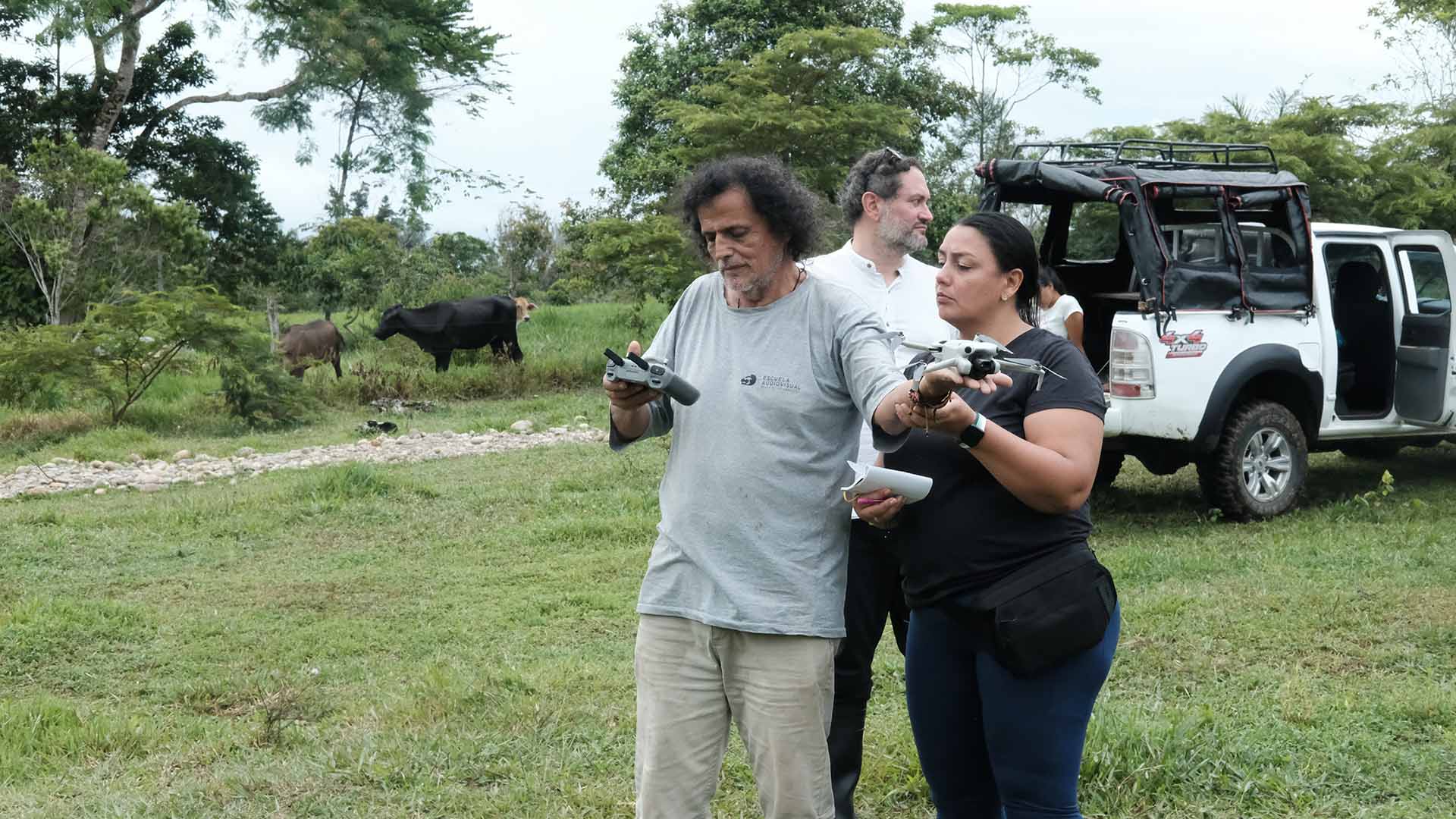
Dr Tamayo Gomez with colleagues using a drone in Colombia
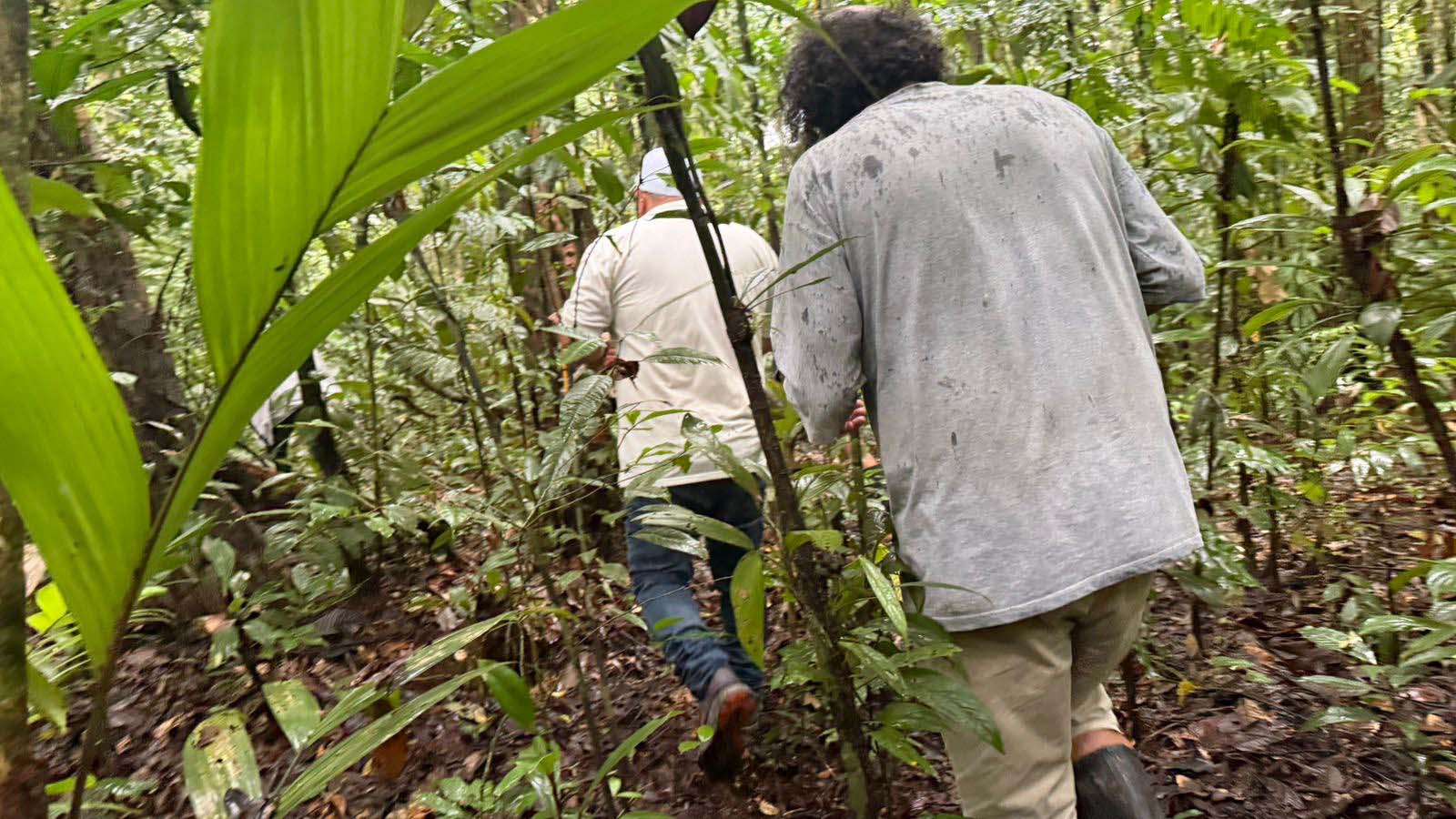
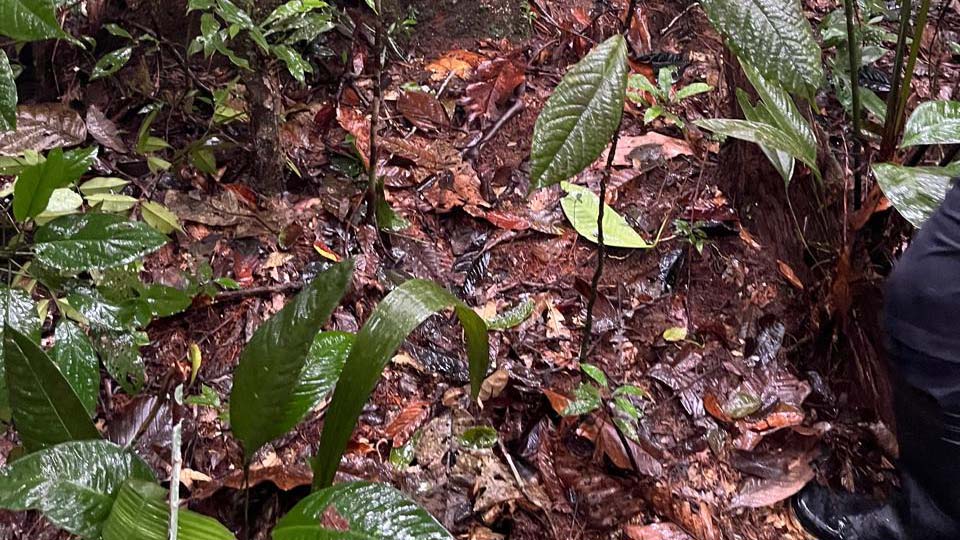
Researchers trekking through the dense Colombian jungle to possible grave sites
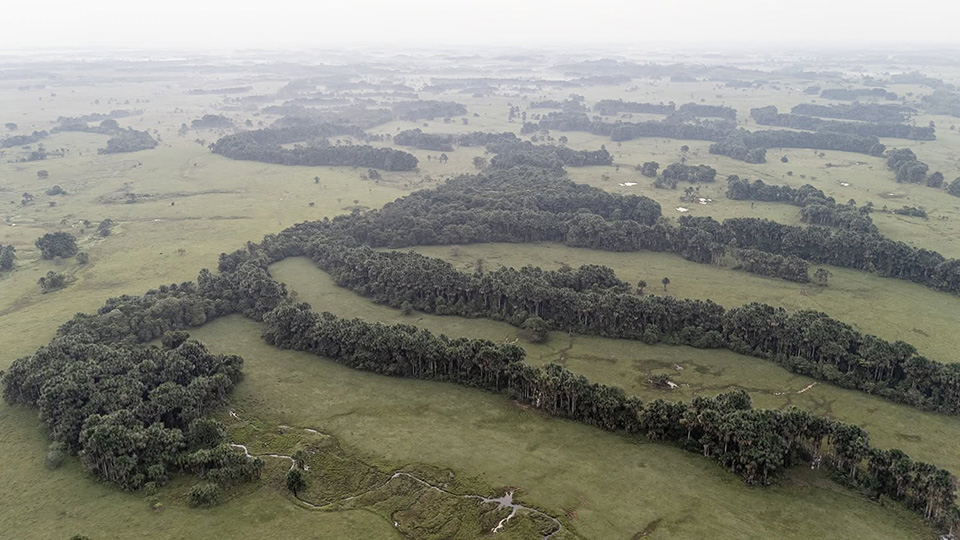
The Belen-de-Andaquies region in Caqueta Department
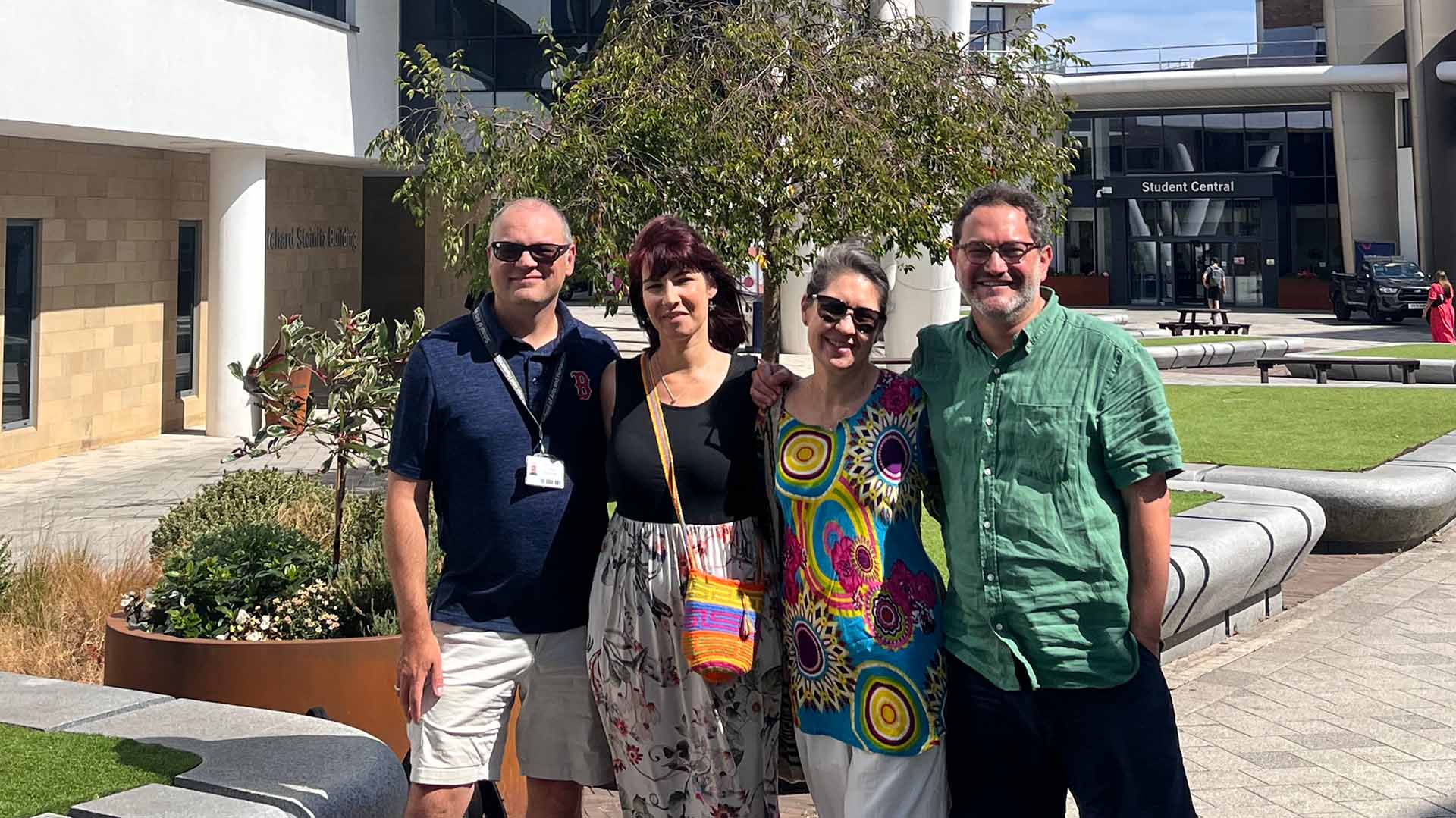
Dr Tamayo Gomez with colleagues from the Centre of Archaeology
Ethical research with global impact
This project illustrates the rigorous, ethically grounded research support offered by the University's Impact Acceleration Account programme: that reaches partners universities rarely work alongside, that can generate outcomes that matter to people far beyond Academia.
Across the School of Human and Health Sciences, a wider portfolio of IAA-funded activity is under way, spanning nursing workforce development in Ghana, NHS workforce housing challenges nationally, obesity and mobility research in partnership with Calderdale and Huddersfield NHS Trust, and work on compassion in organisational settings.