Digital youth safety in focus for CRN experts at global conference
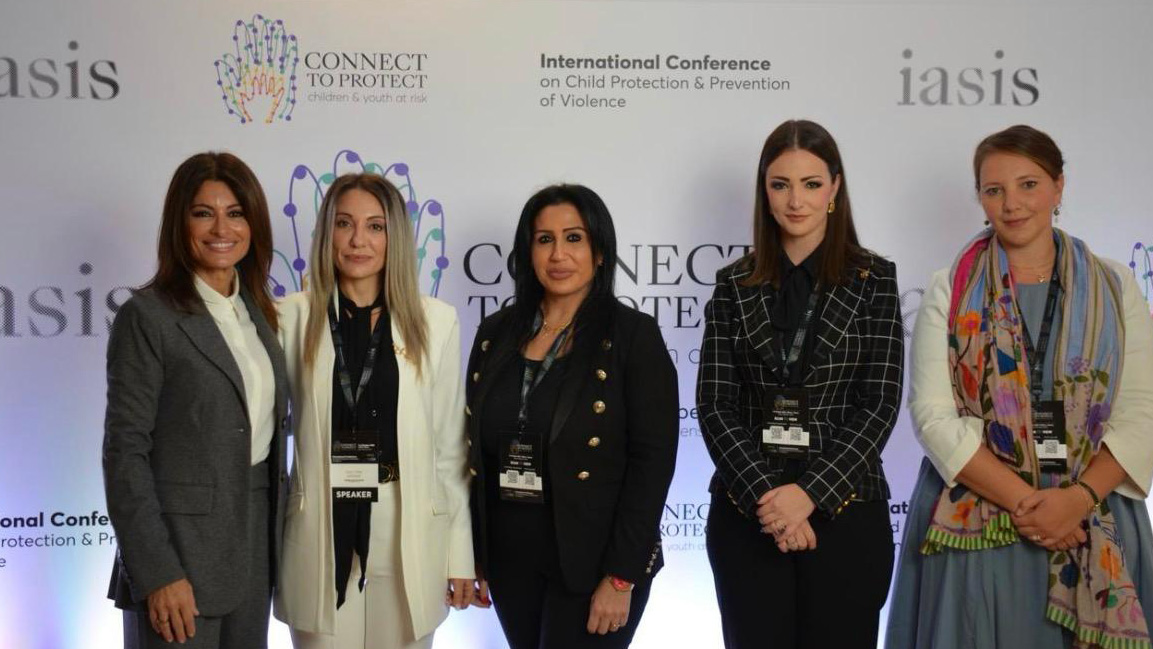
Two University of Huddersfield academics have spoken at a prestigious international conference in Athens as part of global discussions on improving child safety and wellbeing.
Professor Dr Maria Ioannou and Dr Calli Tzani presented their research into online child safety at Connect To Protect, the first Child and Youth At Risk conference that also welcomed experts from institutions including Berkeley, Yale and Harvard.
Understanding how the digital environments that children interact with, and how vulnerabilities that lead to harm can develop is key to the work of Professor Ioannou and Dr Tzani in the University’s Cyberpsychology Research Network (CRN).
It provided the basis for their talks, The Dark Side of Belonging in Online Communities and Digital Algorithms and Circular Causality on the first of the two-day event in the Greek capital.
Discover more about psychology courses at the University of Huddersfield
The session brought together an international panel to examine how social media, online communities, algorithmic amplification and generative AI are shaping young people’s identities, sense of belonging and exposure to harm.
“I focus on the person, and their need for belonging, acceptance and identity, and how these can become online, vulnerabilities,” says Professor Ioannou. “We want to demonstrate that we cannot fully understand online harms by looking at either the individual or the digital environment – we need to understand how they all interact.”
The conference’s audience and contributors brought together policymakers, practitioners and researchers from the UN, UNICEF, the European Commission and academics from as far afield as the US and Australia.
Digital safety, online exploitation and emerging technological risks to young people were among the themes explored, providing a platform for the CRN to showcase the University of Huddersfield’s insight on global discussions around child safety.
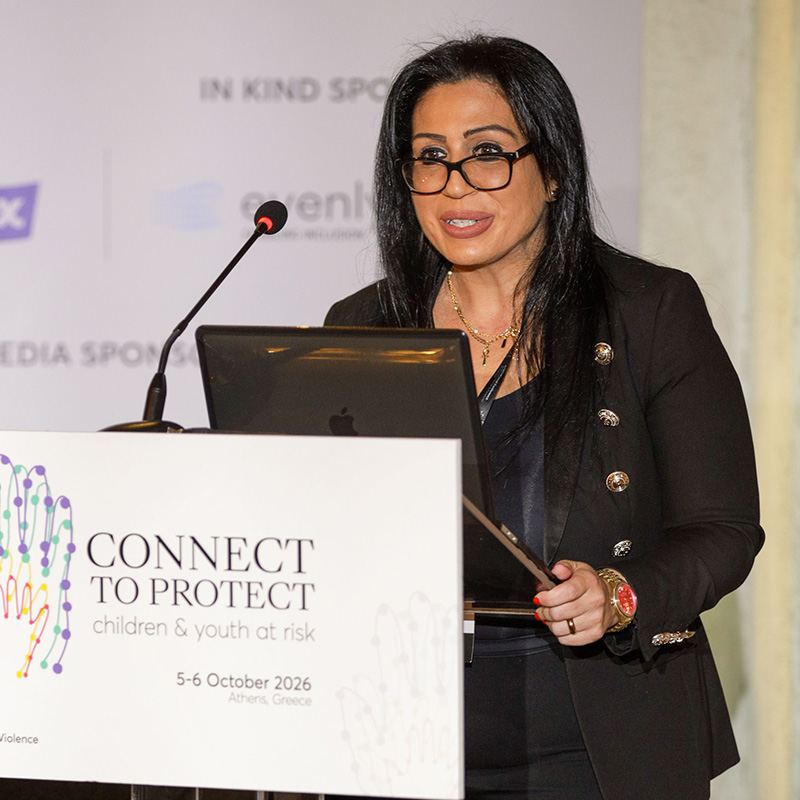
For Dr Tzani, it is important that there is a better understanding of the digital environments that young people use rather than solely concentrating on the use alone.
“Protecting children also means understanding the digital environments in which they grow up,” she states.
“Algorithms increasingly shape young people's experiences and can reinforce harmful patterns of behaviour. The conference brought together expertise from psychology, technology, child protection and international policy, creating valuable opportunities to address these challenges collectively.
"Through the CRN, we are building on these international connections, taking forward discussions on collaborative research and practical, evidence-based approaches to safer digital environments.”
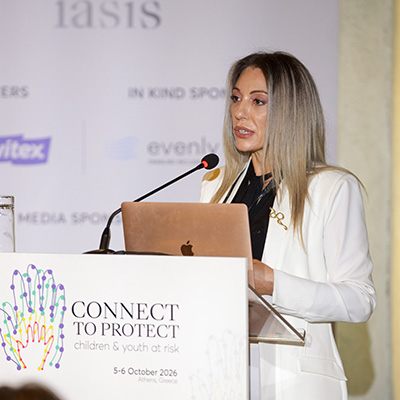
Professor Ioannou adds, “The session was extremely well-received and generated some very interesting discussions afterwards. Importantly, the conference also created a number of promising opportunities for international collaboration and potential future research activity, which we are now exploring.
“It demonstrates the University’s growing international profile in cyberpsychology, online harms and child protection, as well as the role of the CRN in connecting research with policy and practice.
“The CRN co-directors and the team are investigating how algorithms and online platform design shape young people’s experiences and engagement, while exploring in depth the role of identity in the darker aspects of online communities. This approach addresses both individual psychological factors and the wider technological systems that influence online behaviour.”