University part of national research on community innovation and devolution
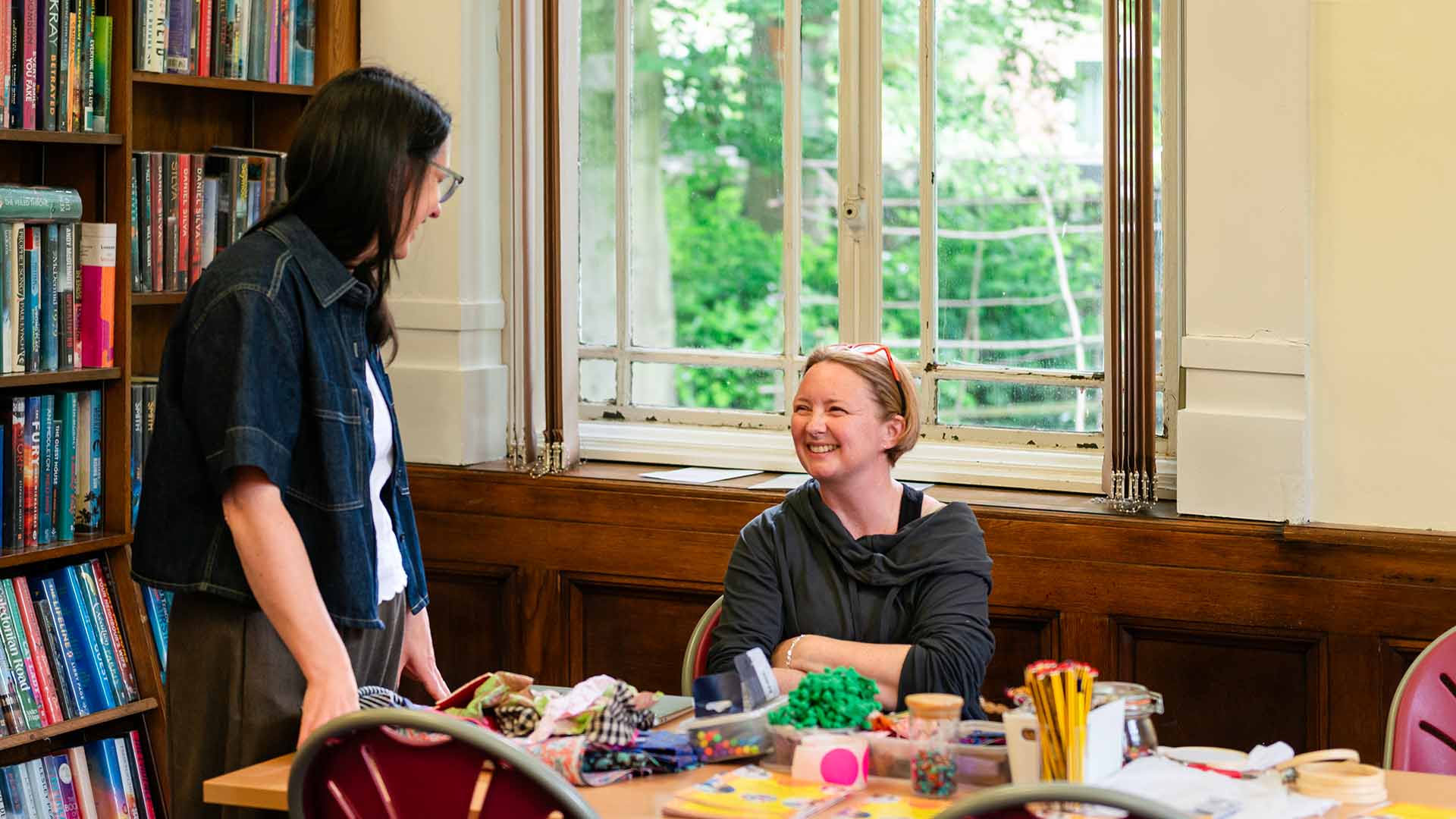
Researchers at the University of Huddersfield's Centre for Cultural Ecologies in Art, Design and Architecture have contributed to a major national programme exploring how universities, communities and policymakers can work together to support innovation and decision-making at a local level.
The Centre was one of six host institutions for the AHRC Creative Communities Community Innovation Practitioner (CIP) programme, supporting Research Fellow Dr Claire Tymon to develop and test Culture Labs, a place-based participatory methodology that connects community knowledge, creative practice and local decision-making to support cultural development and place-based change.
New research published by the AHRC Creative Communities programme provides fresh evidence of how greater devolution can drive innovation, inclusive growth and stronger communities across the UK.
It argues that transferring greater powers and resources to places must be accompanied by new ways of involving communities in the decisions, research and innovation that shape their futures.
Funded by the UKRI Arts and Humanities Research Council (AHRC) and led by Northumbria University, the findings come from the programme’s Community Innovation Practitioner (CIP) Awards.
The Community Innovation Practitioner Awards represent an investment of almost £500,000 for place-based research and innovation across all four nations of the UK.
Six Community Innovation Practitioners have recently published a collection of case studies, devolved policy papers and Creative Communities podcasts.
Together, they demonstrate how researchers, communities, businesses, cultural organisations and devolved authorities can work differently to address locally identified challenges – and how these approaches could inform devolved policymaking.
From devolution of power to devolution of participation
Over the past year, the CIPs have worked on live challenges across England, Scotland, Wales and Northern Ireland, testing approaches that respond to the different economic, cultural and governance contexts of their places.
In West Yorkshire, this has seen the creation of Culture Labs that connect communities with researchers and decision-makers, helping ensure local cultural policy and investment translate into meaningful growth in key places.

A model for the next phase of devolution
The findings have particular relevance as the new UK Government considers how to deepen devolution and strengthen the role of mayors, nations and regions in delivering national priorities.
The research suggests that devolution cannot simply mean transferring existing policies, funding pots or responsibilities from Whitehall to regional institutions. Successful devolution also requires the capacity to generate evidence locally, draw on community knowledge and create mechanisms through which people can participate in shaping the policies and investments that affect their places.
Community Innovation Practitioners provide one model for achieving this. Positioned between research, industry, policy and communities, the CIPs have created cross-sector partnerships around locally identified challenges and used co-creation to develop and test solutions. In doing so, they demonstrate how universities and research funding can become part of the infrastructure of devolution – connecting local knowledge with research expertise, investment and policymaking.
The research provides policymakers with practical evidence about what should be devolved, how local innovation capacity can be strengthened, and how communities can have a greater role in determining what growth looks like in their region or nation.
From Community Innovation to Cultural Strategy
At the University of Huddersfield, the Centre for Cultural Ecologies in Art, Design and Architecture hosted Community Innovation Practitioner Dr Claire Tymon.
The Community Innovation Practitioner award formed part of a wider programme of research and engagement led through the Centre for Cultural Ecologies in Art, Design and Architecture and its Cultures of Film programme. Building on work undertaken to support the development of the emerging Kirklees Cultural Strategy, the project was further developed through the University's AHRC Impact Accelerator Account (IAA).
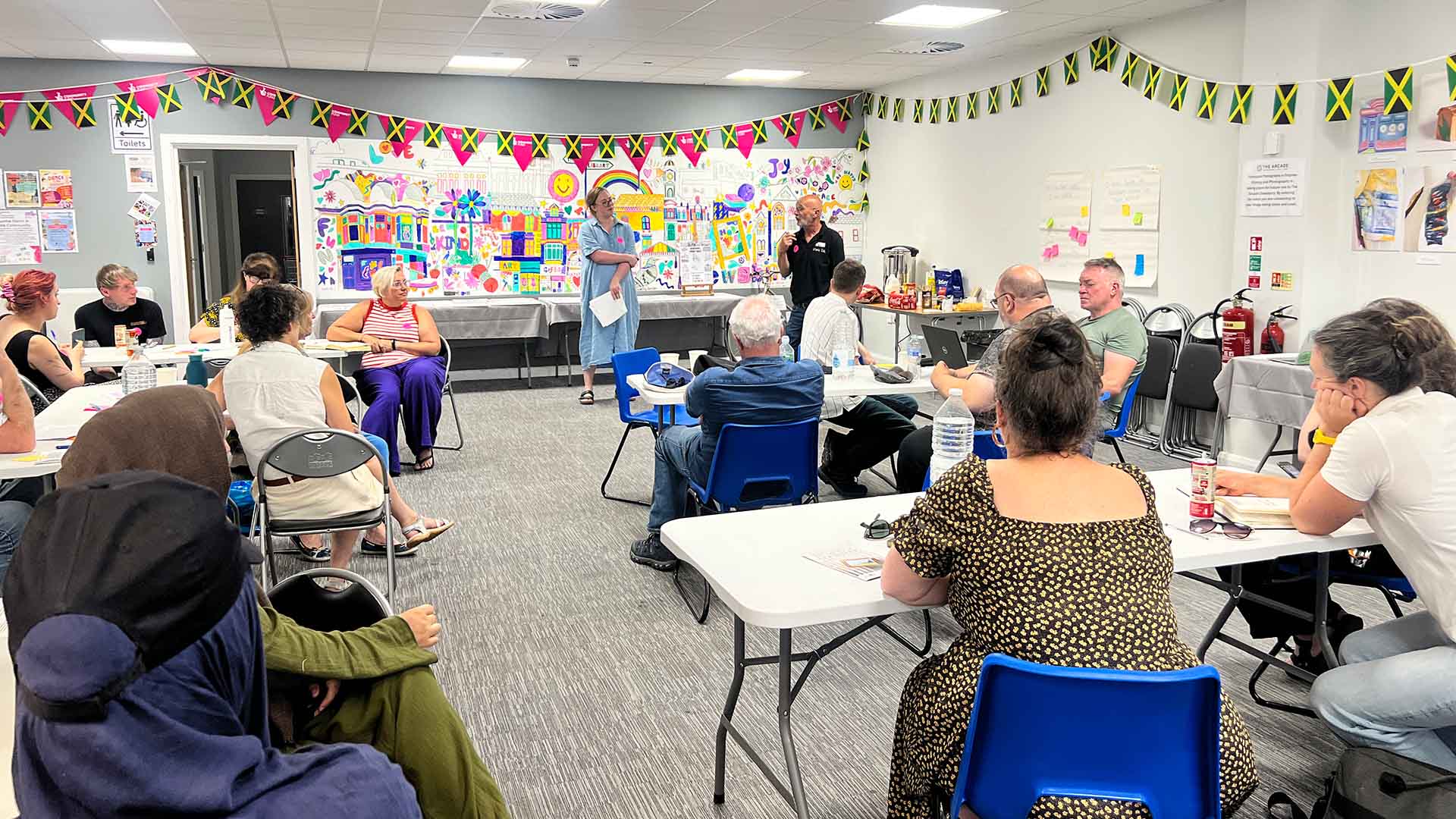
Across two interconnected phases of research, cultural organisations, community practitioners, researchers and local authority partners worked together to explore and test creative and participatory approaches to cultural engagement. This included the co-development of the Conversations about Culture Toolkit, designed to support accessible and inclusive discussions about culture, and the Stories in Motion exhibition, which used creative storytelling and participatory filmmaking to amplify community perspectives. The work generated new learning about how community knowledge, lived experience and creative methods can inform cultural strategy development, neighbourhood action and wider policy conversations about devolution and place-based decision-making.
The findings highlight the important role that universities can play as civic institutions, supporting communities to participate in shaping local priorities while contributing evidence and expertise to policy and practice. Through its involvement in the CIP programme, the University of Huddersfield has contributed to a growing national conversation about how research can support more inclusive, responsive and locally informed approaches to decision-making.