Huddersfield's student paramedics first to use VR for mass casualty training
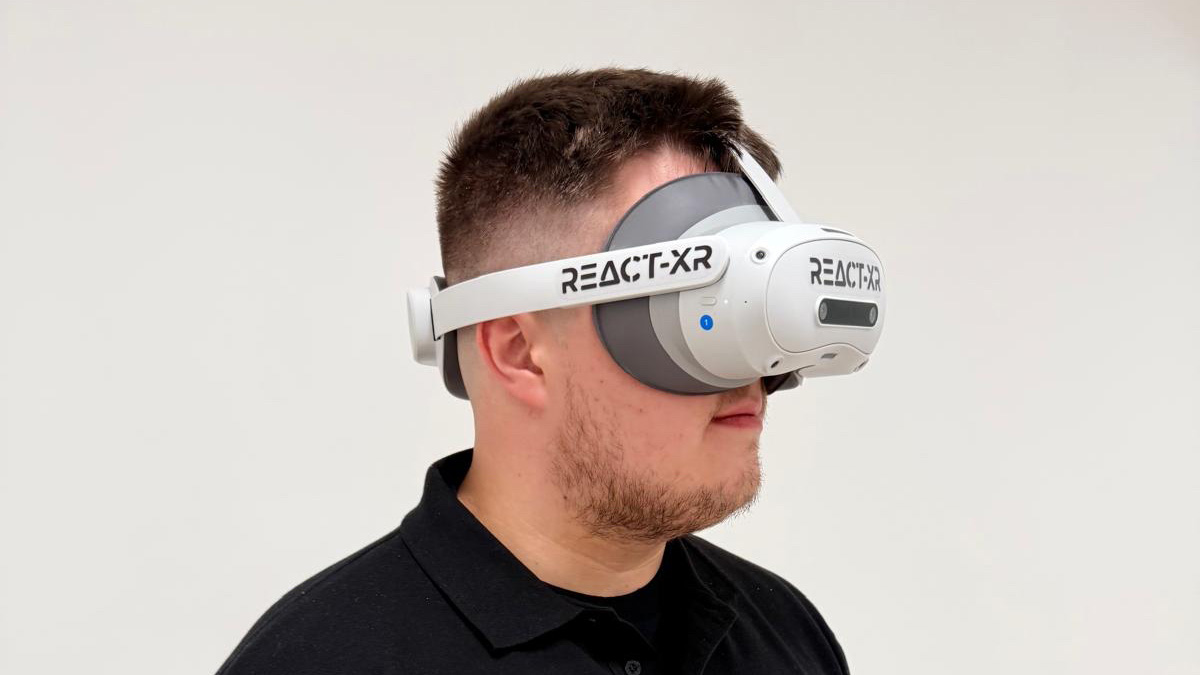
The University of Huddersfield is set to become the first UK university to help train student paramedics for mass casualty incidents using groundbreaking Virtual Reality (VR) technology.
Student paramedics will use VR headsets and software thanks to a partnership between the School of Human and Health Sciences and Manchester-based emergency response training experts REACT-XR.
The headsets and software will be used by up to six students at a time in the innovative immersive suite in the Daphne Steele Building on the university’s National Health Innovation Campus (NHIC).
The software can accurately recreate mass casualty incidents such as accidents or terrorist attacks in real time, allowing more student paramedics to perform triage than if recreating an incident with actors or mannequins.
Discover more about Paramedic Science BSc at Huddersfield
“By using VR, we can mimic the kinds of situations our paramedic students may find themselves in with more authenticity than we can recreate in live simulations,” says Jenny Dobbin, senior practitioner in Paramedic Science at the university.
“Using VR will be much more efficient around resources and planning, especially with our cohort sizes increasing. We will still do live simulations but find it difficult for all the students to practice major incident triage at present. Our accrediting body, the Health and Care Professions Council (HCPC), state that all paramedics should be competent in triage for major incidents and recommend practicing this regularly.
“With VR we can easily perform these simulations on a more than annual basis if needed. We don’t need to scout out locations, employ actors or volunteers to play casualties or consider moulage, where we have to apply fake wounds and injuries.
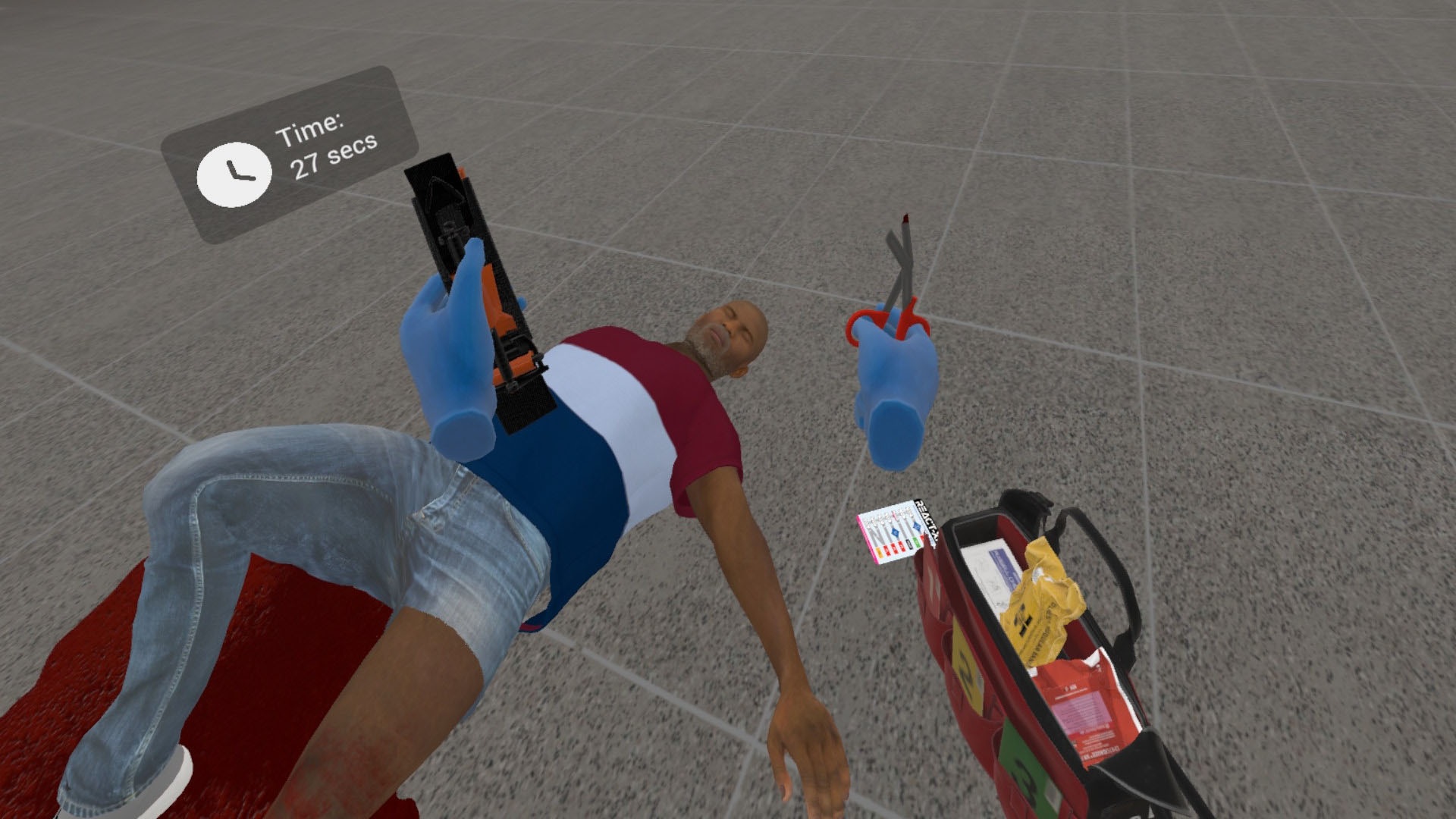
The VR software mimics situations student paramedics could face
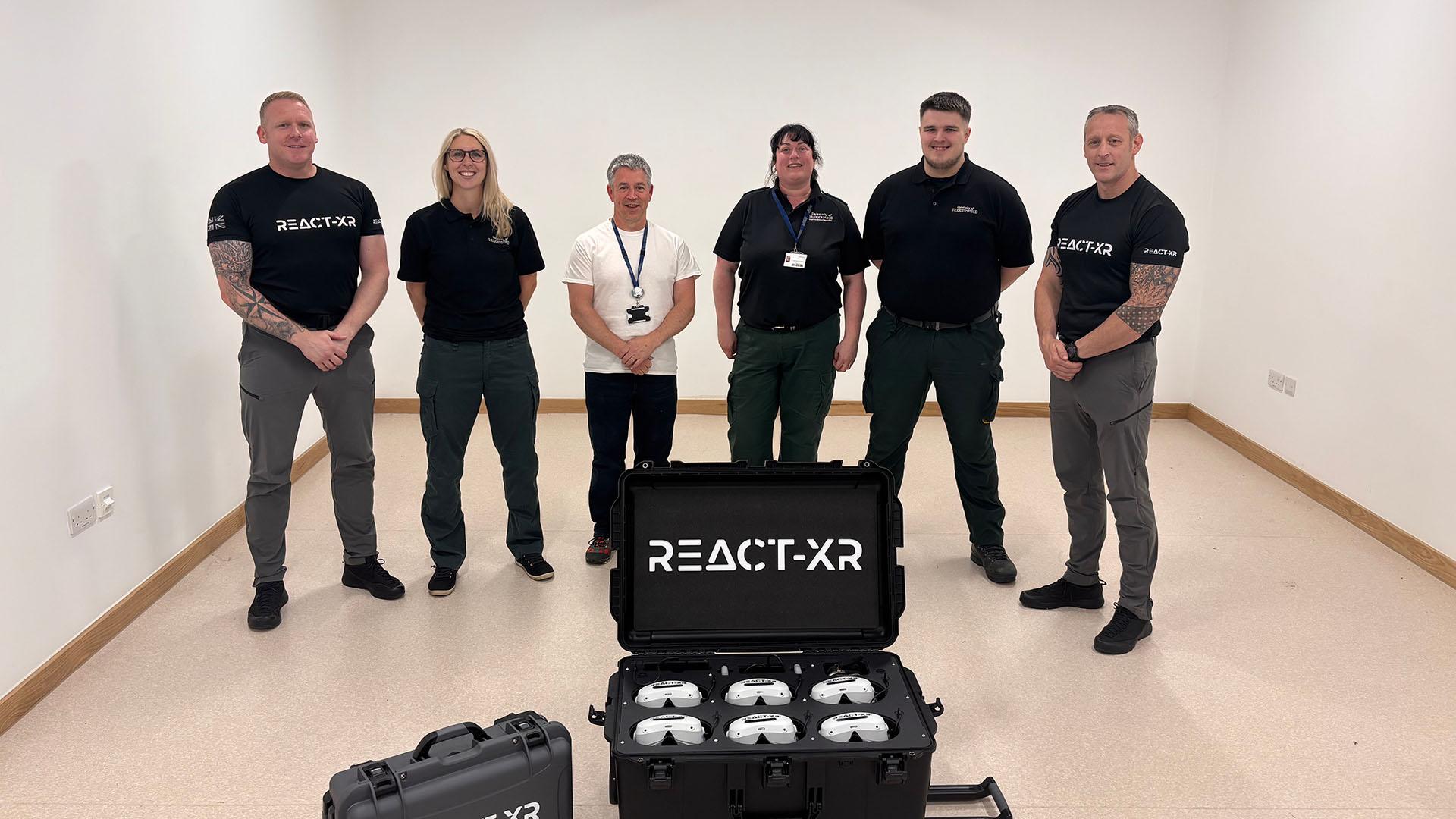
REACT-XR staff and the University of Huddersfield paramedicine team
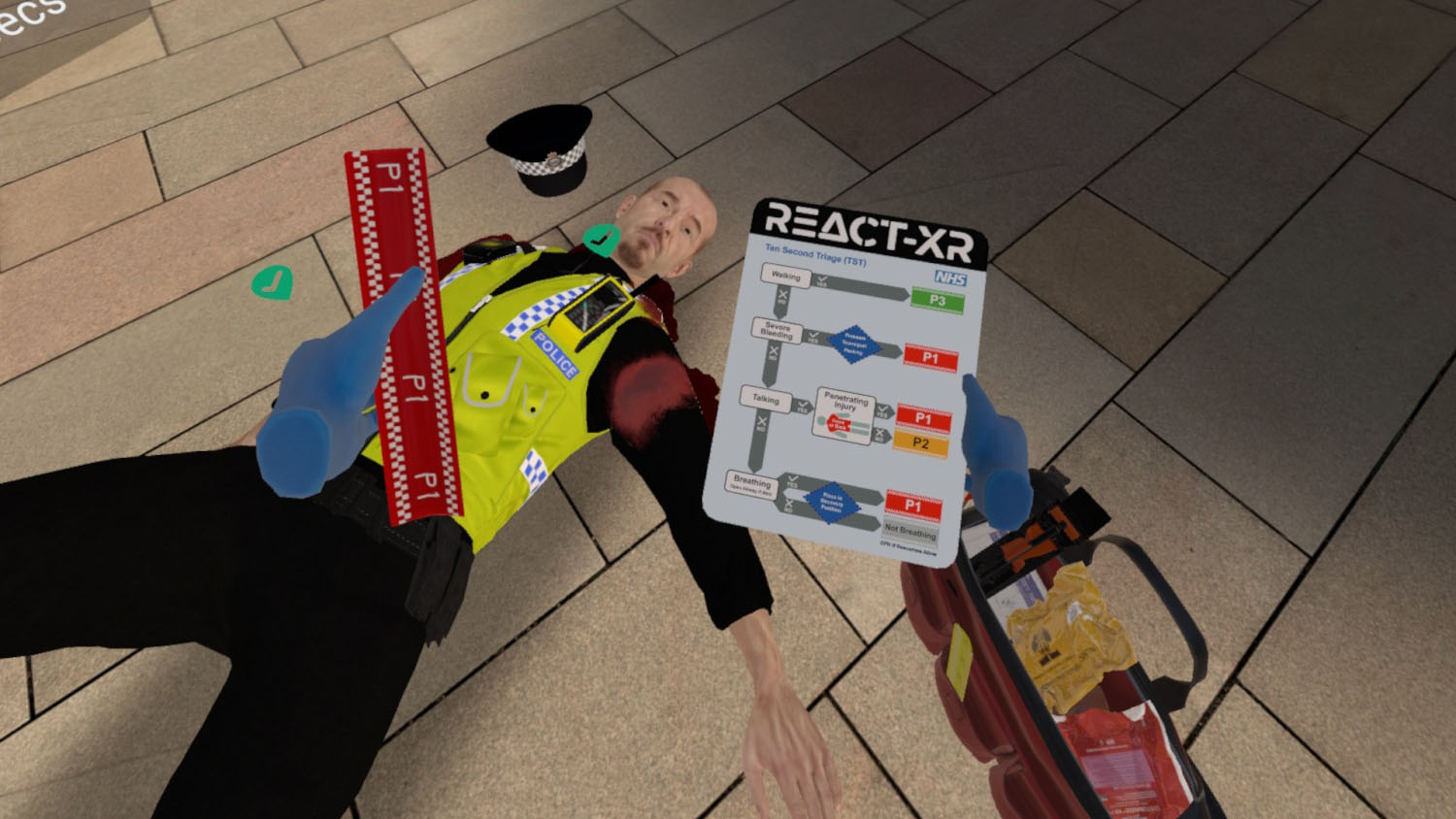
The VR software recreates scenarios such as terrorist attacks at public events for paramedics.
“The team at REACT-XR are HART paramedics – Hazardous Area Response Team – and are experts in their field. Their experiences have fully informed the software, and because of that the headsets can be used to their full potential, which is vital. Their experience is applied to the technology and are the only company in the UK who can offer Ten Second Triage (TST) and Major Incident Triage Tool (MITT) in their VR software.
“For example, the VR software will not allow a student to continue until an airway has been opened using the head tilt, chin, lift procedure. It will really make the students think about doing the basics that are needed before you can proceed. REACT-XR was founded and run by paramedics, and that’s why it was better than any of the other VR that we saw.
“We must also thank the Senior Leadership Team at the university for helping fund this this project. We are the only Higher Education institution in the country at present who has this technology. We hope to offer the VR to other emergency services like the West Yorkshire Fire and Rescue Service (WYFRS) with whom we have a strong partnership with, to train their staff.”
Steven Thompson, Co-Founder, Director and HART paramedic at REACT-XR, added, “The University of Huddersfield is setting a new benchmark in paramedic education as the first UK university to adopt REACT-XR, integrating immersive simulation directly into frontline training.
“REACT-XR was created with a clear purpose: to enhance training and better prepare clinicians for the realities of the job. This investment equips students with the opportunity to experience high-pressure, large-scale incidents before they step into real-world placements with Yorkshire Ambulance Service.
“By bridging the gap between theory and practice, REACT-XR accelerates clinical readiness, sharpens decision-making, and builds the confidence required in critical moments. Working with a university from the outset of a paramedic’s career allows REACT-XR to make a meaningful impact where it matters most - developing capable, resilient professionals ready to respond when it counts.”