Team behind 3D bioengineered wound model for healthcare training wins two awards
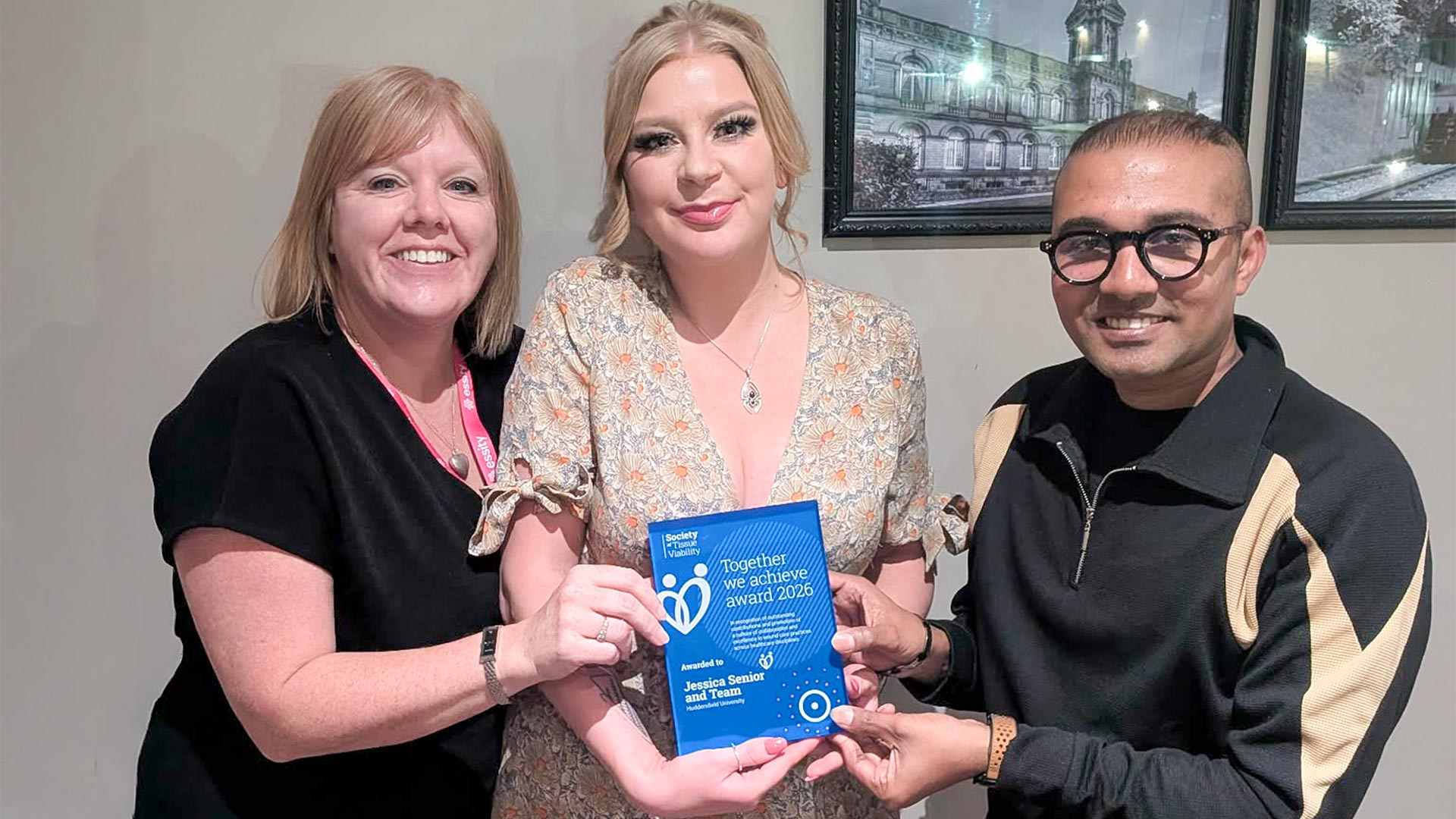
University of Huddersfield research that has led to the creation of 3D bioengineered wound models for healthcare training has been recognised with two main prizes from the Society of Tissue Viability.
A team that spans the University’s Biopolymer Research Centre and Institute of Skin Integrity and Infection Prevention has collaborated on the innovative project, which won this year’s Together We Achieve Award.
Dr Jessica Senior and Professor Alan Smith’s initial research in 3D bioprinting skin drew the attention of Professor Karen Ousey, Dr Leanne Atkin and Professor Barbara Conway of the Institute, which focuses on the management of acute and chronic non-healing wounds.
They described a need for a chronic wound model that would enable more effective training for healthcare professionals in wound debridement techniques – so the biomaterials and tissue engineering specialists at the Research Centre began to develop a first-of-its-kind model.
They used materials that match the visual and textural characteristics of wound components, such as slough, exudate, eschar and granulation tissue, collaborating on an interactive model that can be debrided, a medical process of removing dead, damaged or infected tissue from a wound.
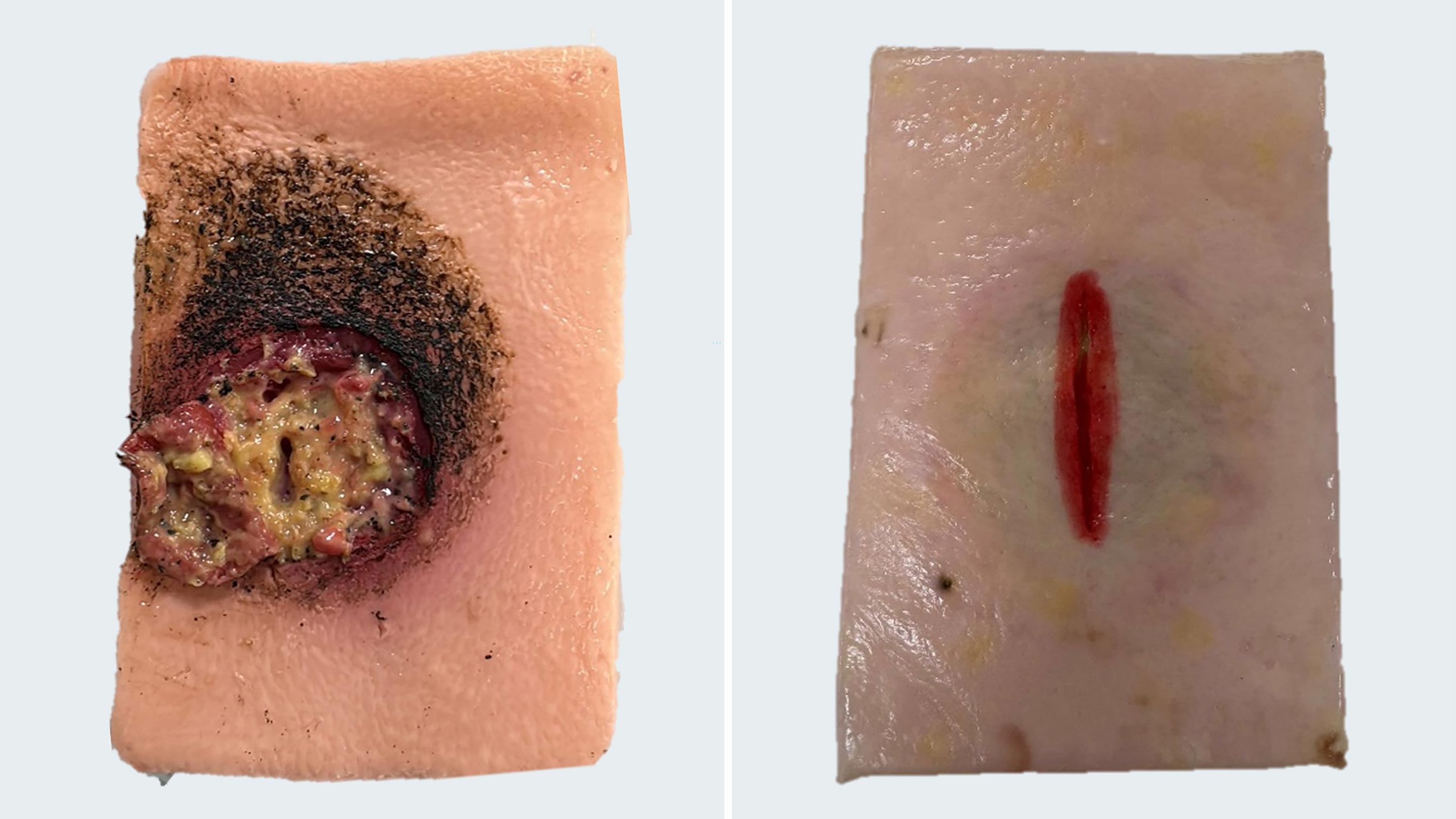
Since that initial success four years ago, the team have gone on to create a number of different wound models, including skin tears, diabetic foot ulcers, scar simulation and more recently, pressure ulcers. These have been in collaboration with International Skin Tear Advisory Panel past President, Samantha Holloway, as well as other University of Huddersfield academics, Dr Grace Linsley and Dr Natasha Levy in Podiatry and Emily Buchannan in Paramedic Science.
In addition, over the past three years they have supplied around 600 3D bioengineered wound models across the UK, Canada, Sweden and Germany to healthcare training providers, universities and wound care companies.
The team, which also includes PhD student Tanvir Siddique and post-doctoral researcher Dr Haja Muhamad, were recognised at the Society’s 2026 Conference, which was held in April in Bradford.
Dr Senior, a Senior Lecturer in Pharmaceutics within the University’s Department of Pharmacy, commented: “It is an immense pleasure to be working with such a multidisciplinary team towards enhancing patient care and reducing burdens on our wound care workforce. To see such translation from our lab to the clinic is a dream for any researcher, and we strive to further advance innovations in this space.”
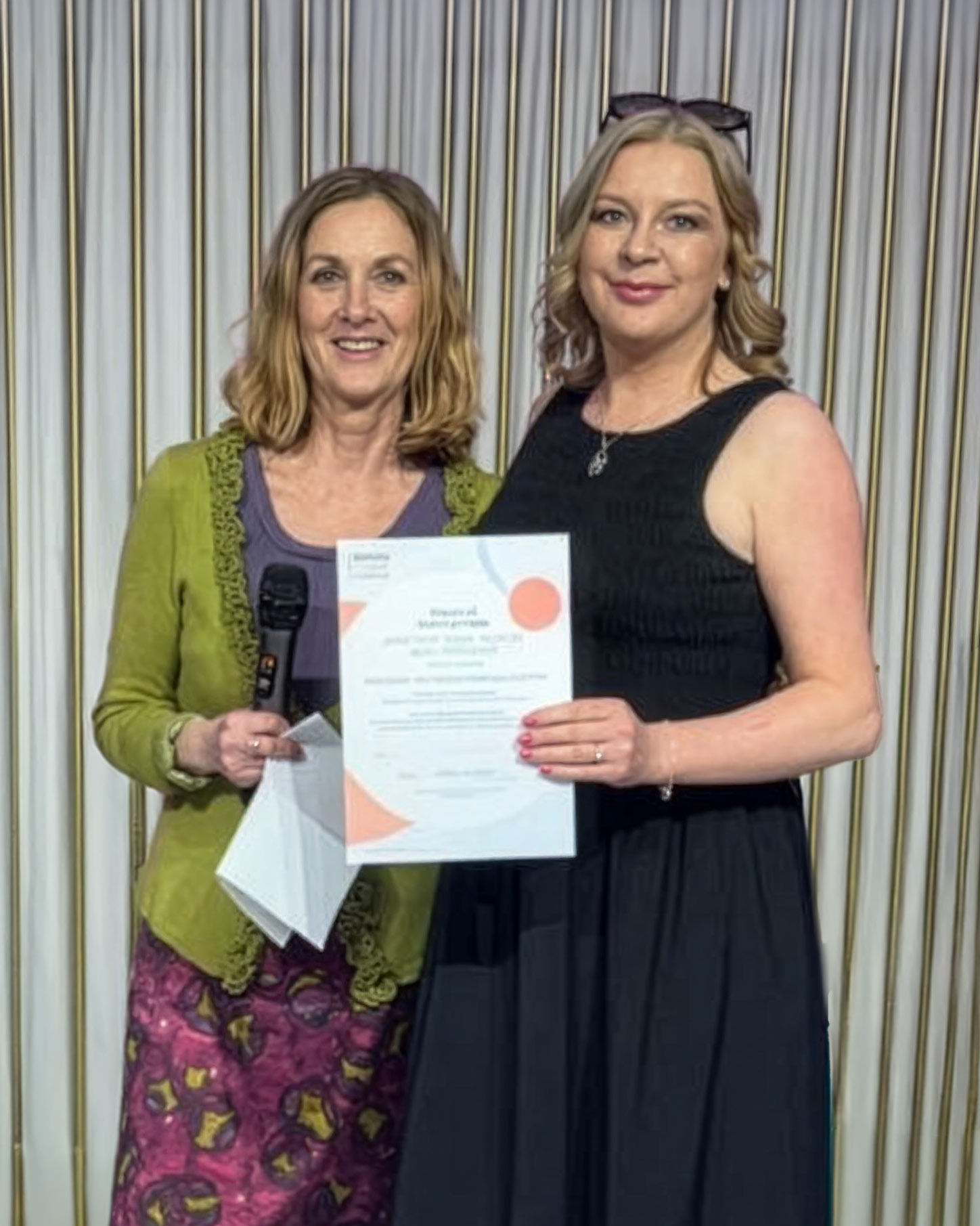
She also won an individual award for presenting the best free paper, titled Next-generation wound modelling for enhanced simulation training, where she went into detail on the group’s wound bioengineering research and the latest developments.
This work further demonstrates how innovation in training can help build a more confident and skilled workforce — ultimately improving patient outcomes.