Researchers receive £50k in funding for SaferStreetsAI project
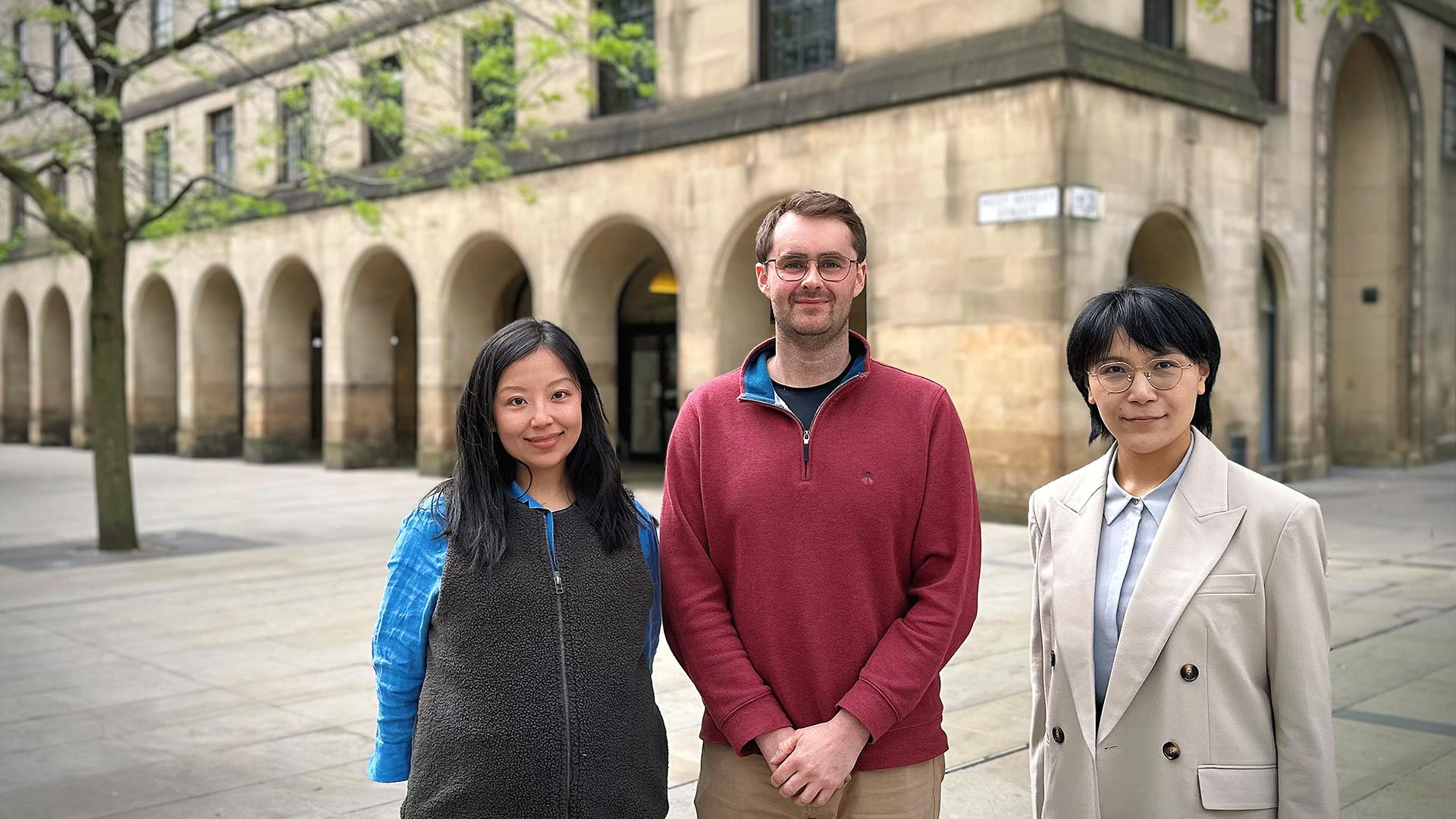
Researchers from the University of Huddersfield and the University of Manchester have secured £50,000 of funding for an innovative project using AI to identify the safest walking routes.
The funding has been allocated through RISE, an accelerated programme tackling violence against women and girls (VAWG), led by researchers at the University of Manchester and its SPRITE+ network.
The project is known as SaferStreetsAI: AI-informed pedestrian routing based on perceived safety, and is led by Professor Simon Parkinson, Professor of Cyber Security, and supported by Dr Paloma Liu, Senior Lecturer in Project Planning, both at the University of Huddersfield, and Dr Helen Zheng, Senior Lecturer in Spatial Planning at the University of Manchester.
Professor Parkinson leads the University’s Centre for Cyber Security, and Dr Liu is a member of the University's Future Mobility Centre.
It aims to make everyday pedestrian journeys safer and will develop and pilot routing software in Kirklees to identify walking routes that are not only efficient, but also feel safer to use, particularly at times when fear of harassment or violence can shape mobility decisions.
Find out more about Research at Huddersfield
SaferStreetsAI builds on previously published research from the Huddersfield and Manchester team and analyses publicly available street-level images to identify environmental features known to shape perceptions of safety.
Using computer vision, the software generates descriptive ‘captions’ of street scenes, such as noting lighting quality, visibility, or signs of neglect. These descriptions are then processed using natural language tools, including sentiment analysis and emotion tagging, to estimate how a person might experience that space.
The approach then integrates these insights into a mapping and routing application. Users will be able to compare different walking routes not just by distance or time, but by a ‘perceived safety’ score. Importantly, the tool will also explain its reasoning, highlighting, for example, that a route is flagged due to low lighting or visible signs of neglect, so users can understand and trust the recommendations.
The pilot will also go beyond route planning. By mapping safety indicators across entire neighbourhoods, the SaferStreetsAI will produce a diagnostic layer that local authorities and planners can use to identify where interventions may be needed, such as improved lighting, better maintenance, or increased activity in public spaces.
Professor Parkinson commented: “SaferStreetsAI uses AI to better understand how people experience safety in everyday environments and how that information can be positively used to help citizens and policymakers make more informed decisions. By using computational approaches to analyse a large amount of street-level imagery, we can move beyond traditional crime data and provide insights into the environmental factors that shape perceptions of safety. This allows us to support more informed route choices for individuals and provide practical, evidence-based guidance for planners and local authorities to improve public spaces.”
Research into Intervention, Safety and Empowerment (RISE) is an accelerated interdisciplinary programme led by experts on VAWG from the SPRITE+ network at the University of Manchester. RISE is helping the UK Government’s Safer Streets Mission deliver its aim of halving VAWG in the next ten years.
The programme is funded via UKRI’s R&D Missions Accelerator Programme and benefits from the support of the Network for Security Excellence and Collaboration, part of the SALIENT Hub, an UKRI-funded initiative bringing academic partners together to conduct research and innovation in support of the UK’s national security and resilience.