Masculine behaviour bad for the planet says new research
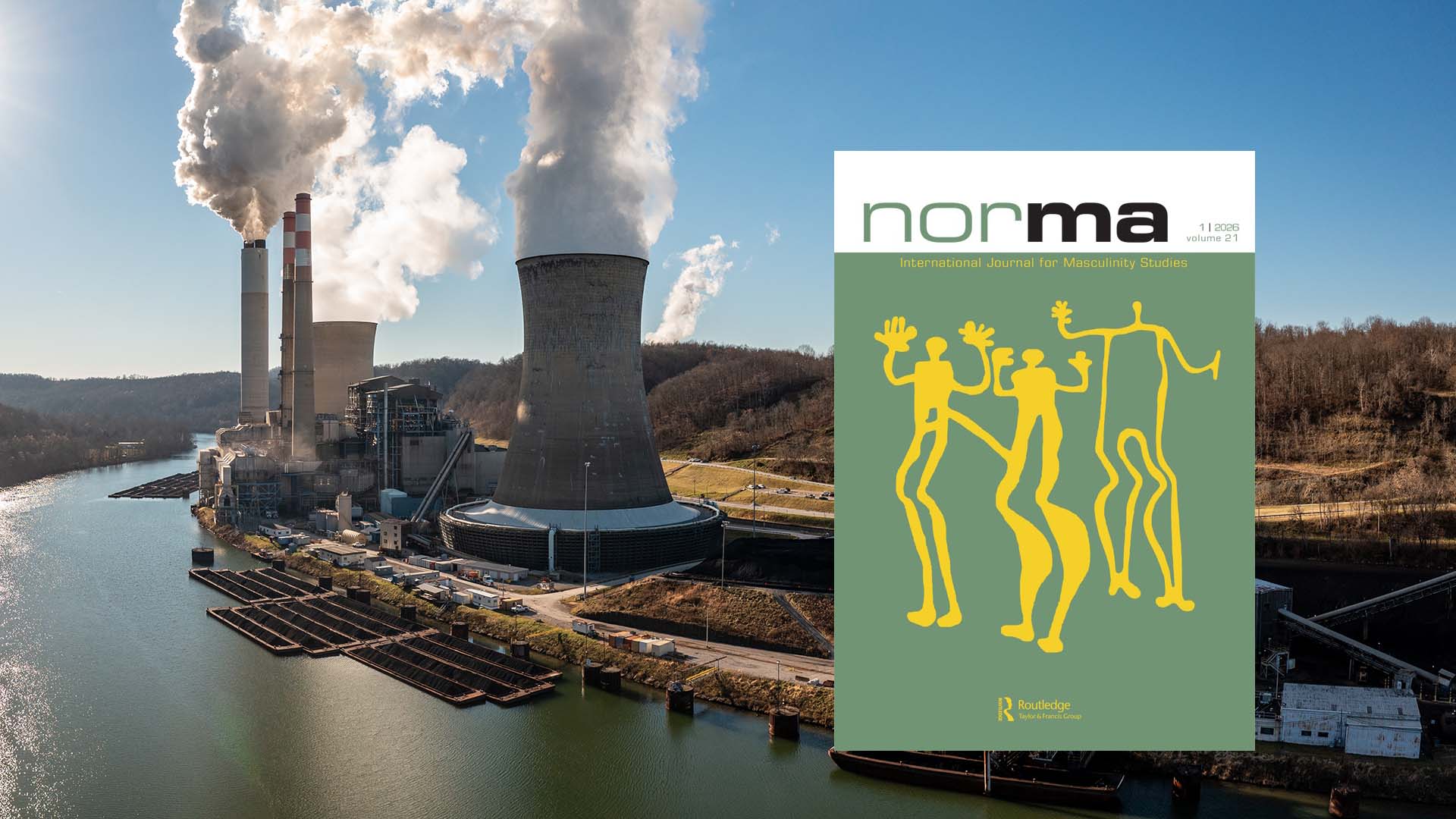
Major new research on climate change, global warming and environmental collapse, how they connect with what men do, and what to do about it has just been published by a team including the University of Huddersfield’s Professor Jeff Hearn.
A new a double special issue of the journal Norma: International Journal for Masculinity Studies, features the research in the article ‘Men, masculinities, and the planet at the end of (M)Anthropocene’.
The journal’s double special issue is edited by Professor Hearn and colleagues from around the world - professors Kadri Aavik (Tallinn University, Estonia), Martin Hultman (University of Gothenburg, Sweden) and Tamara Shefer (University of Western Cape, South Africa).
Global research
It brings together new research by 22 researchers from 13 countries on questions as diverse as climate denial in Canadian pipeline politics, environmental impacts of Chinese policies in the Pacific Ocean, pro-meat online influencers in Finland, and positive action by men activists in Africa, Latin America, UK, and globally.
Professor Hearn, professor of sociology in Huddersfield’s Department of Social and Psychological Sciences, says,

Professor Jeff Hearn
Professor of Sociology, Department of Social and Psychological Sciences
“There is now plenty of research that shows clear negative impacts of some men’s behaviour on the environment and climate; what is astonishing is how this aspect does not figure in most debate and policy on a more sustainable world.”
The team’s findings include that,
• Men tend to have greater carbon footprint and greater environmental impact through consumption, especially travel, transportation, and tourism
• Men tend to have less concern with climate change, and less willingness to change everyday practice to ameliorate it
• Men tend to be less ambitions and less active in environmental politics, and less supportive of political parties that work for environmental justice
• Men tend to be more involved in owning, managing, controling heavy, chemical, carbon-based, industrialised agriculture, high environmental impact and extractive industries, and of course militarism, with its own devastating environmental effects
• These damaging patterns apply especially to elite men in the global North
• But some men are working urgently and energetically to change these tendencies.
Full texts of the Double Special Issue and the 11 articles can be found at:
https://www.tandfonline.com/toc/rnor20/20/4?nav=tocList (Part 1)
https://www.tandfonline.com/toc/rnor20/21/1?nav=tocList (Part 2)
For more information, contact Professor Jeff Hearn
Photo credit: Aerial view of the coal powered electricity power station known as Fort Martin outside Morgantown, WV, Adobe Stock by steheap