Folusho’s Nigerian economic protest research published in The Historian
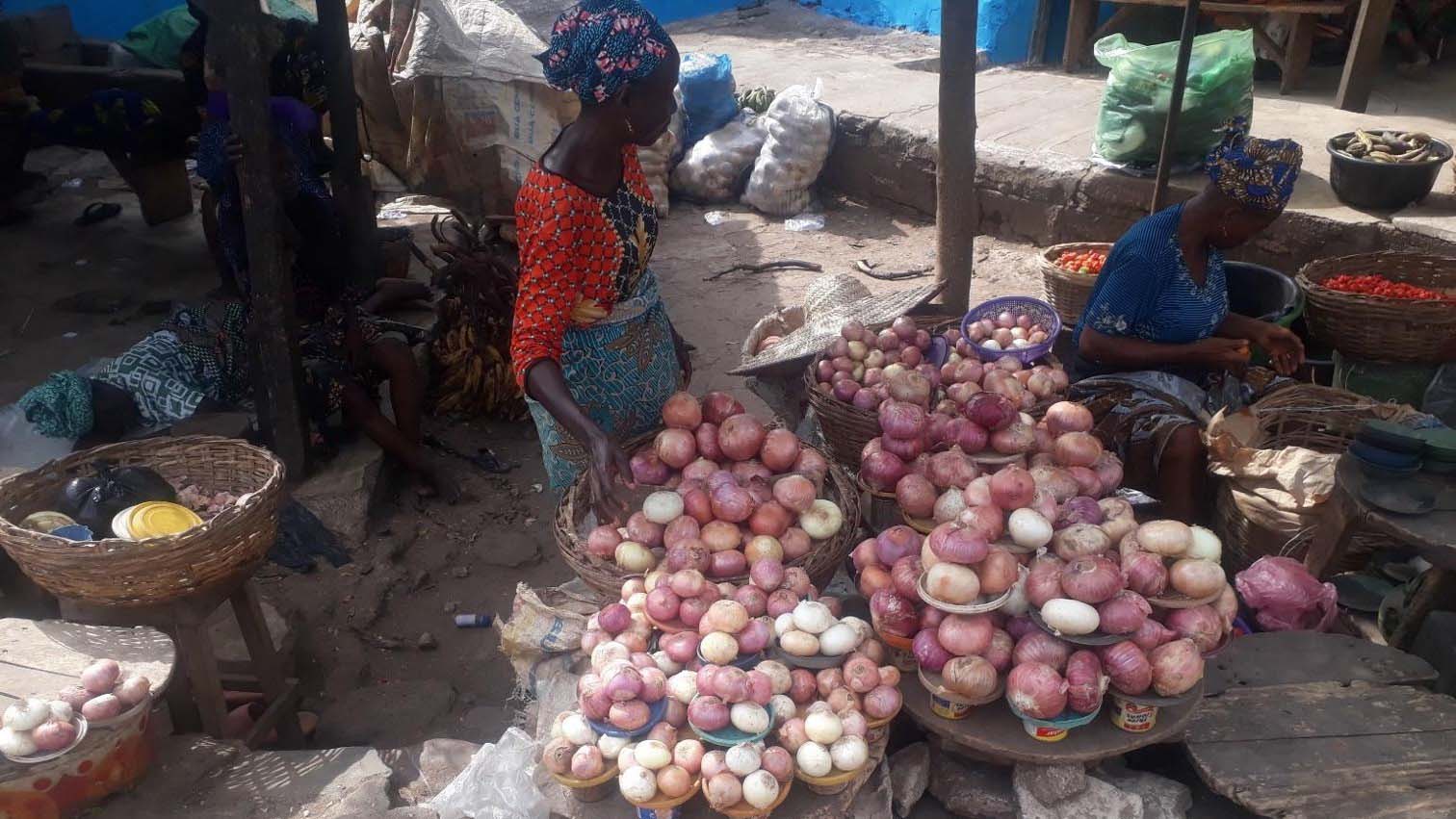
Postgraduate history researcher Folusho Alabi‘s study of how enterprising Nigerian women defied strict British colonial control of trade a century ago has been published in The Historian, and is one of the resources used to teach first year History students in the 20th Century Britain module.
‘A game of strategy’ provided context to Folusho’s PhD research work around the Eastern Women’s Protests that took place in her country of origin in 1929, and can be found in the magazine published by the Historical Association.
Her new article focusses on how Nigerian market women, a significant part of the country’s economy then and now, used their resourcefulness and shrewdness in the face of exploitation by British and European companies as well as Nigeria’s colonial government.
Market women are a staple of Nigerian society, thanks to their decades of selling food, clothing and household goods in community locations throughout the country.
Protests by the women against inhibitive policies from British colonial authorities that threatened their survival ended in a brutal crackdown beginning in 1929, resulting in the deaths of around 500 women.
Study history at the University of Huddersfield
“I looked at the issues that led to the protests and discovered that the women had been complaining about how European companies had been cheating them,” says Folusho, a fourth year PhD researcher who also works as a Graduate Teaching Assistant at the university.
“They creatively found ways to counterbalance the unequal and unfair trade practices of European companies in return for their exploitation.

Folusho Alabi
Postgraduate history researcher
“The economic essence of colonialism was maximum profit, both for the British colonial government and European business that thrived on its agenda. Similarly, the market women also desired to make profits, but to cater for their families and tend to their responsibilities, but their desires were not same with the exploitation agenda of European enterprises crafted for the women and colony to be in losses."
“The prices imposed by European businesses on the women’s palm oil were not favourable to the women, and they were running at a loss, while the prices European factories sold commodities made from their palm oil and other goods such as rice, biscuits and so on at double prices they bought from the women.
“The desperation of the women prompted them to devise creative ways to make their daily living”.
Cunning ruses were eventually discovered
Their strategies included adulteration of palm oil, including empty kernel shells with loaded kernels to increase the weight of bags, and creating artificial scarcity of palm oil to demand increased pricing for the valuable oil used in the making of soap and candles amongst other uses. They also sold partially refined oil as refined oil as another tactic to beat the exploitation.
European companies and colonial authorities eventually realised that the market women had been gaming the system and cracked down hard on them. These new targeted strategies pushed the women to extreme poverty, usually sold at a loss or made nothing to meagre profits.
“The foiling of the women’s counter business practices by European factories bred intense frustration among the women as they were only matching the exploitative precedence and patterns of colonial businesses. The exploitations was one of the women’s grievances, complaints and a contributory factor in the 1929 women’s protest,” Folusho adds.
“Contrary to documented misinformation of the backwardness of the colonised, the history of the colonial eastern Nigeria market women is that of intelligence and resilience. Despite the monopolized colonial economy, the higher power and partnership of European businesses with the colonial government were not sufficient to intimidate the women and deny them survival and means of livelihood.”
Folusho’s latest research follows on from a seminar she organised in early 2025 that attracted interested from across different schools at the University, and researchers from universities in London, Manchester, York and Leeds with decolonizing history under discussion.