Wellbeing of DVI professionals assessed in debut academic paper
The impact that identifying the victims of disasters and mass fatalities has on the wellbeing and mental health of the professionals who undertake the task is the subject of the first academic paper to be published by Huddersfield’s Dr Natalie Gorton.
Disaster victim identification: UK practitioners’ experiences and wellbeing has been published in Policing and Society, a leading academic policing journal.
A collaboration with Professor Jason Roach from the university’s Crime and Policing Research Centre, the article expands on Dr Gorton’s PhD, A life in death, which analysed the challenges faced by police officers who voluntarily help with the identification of the deceased following disasters or mass fatalities.
“There are individuals who volunteer their time to go to the most horrendous places for Disaster Victim Identification – DVI – at mass fatality events,” says Dr Gorton. “Why do they do it? How did they cope? Does it do anything for them? My research also looks at the difficulties that arise from DVI.”
A chance conversation with a retired police officer who had identified victims of the Hillsborough disaster in 1989 sparked Dr Gorton into further research following her degree in Psychology and Criminology, and Master’s in Investigative Psychology, both gained from the University of Huddersfield.
'This PhD chose me' - Natalie's academic journey
And her journal publication is the culmination of a learning journey for Dr Gorton, who has dyslexia and only returned to education in her 30s, beginning with more GCSEs, after starting a family.
“I attended a few open days at various universities, but the lecturers I spoke to at Huddersfield were really approachable and very human, and that helped me make my mind up.
‘‘Professor Jason Roach supervised both my Master’s degree and my PhD, offering consistent and highly supportive mentorship throughout my journey. I left school in Barnsley with very little, and I still suffer from ‘imposter syndrome’ a bit even as a doctor, but I didn’t choose this PhD, this PhD chose me.”
Discover more about Criminology & Psychology at University of Huddersfield
Having stumbled on DVI, Dr Gorton discovered that people who have worked at disasters and mass fatalities were more than willing to share their experiences with a view to improving support for those that will follow them.
“I found DVI fascinating and harrowing, and I felt like these people absolutely deserve some recognition and a voice, considering what they do. Everybody wanted to talk to me because nobody had ever paid them any attention,” she adds.
Lack of DVI understanding even amongst police colleagues
“The PhD came up with a model of wellbeing for individuals that work within DVI that highlights the risks and protective factors for this role. But the scope of the PhD was huge, so this paper, published in Policing and Society, is a collective impact piece that showcases the key points of the PhD.
‘’The most valuable finding was the inherent lack of understanding about DVI, even within policing itself. Officers described spending days or weeks deployed to challenging DVI operations, yet colleagues often assumed they were simply away on holiday or off sick.
“This reflected not only a lack of awareness of what DVI actually involves, but in some cases the belief that the work amounted to a ‘nice break’ rather than an emotionally demanding and highly specialised role.

“There is so much more that can be done in terms of wellbeing support for these people, who cope in working in extreme environments and circumstances in unique ways, and often are dealing with it alone.
Need for DVI expertise to be passed on to younger officers
Another issue that emerged was the gradual loss of DVI knowledge as experienced officers retire. Many of the ‘baby boomer’ officers who had extensive DVI deployment experience have now left policing, and there is no formal requirement for them to pass on this expertise.
“Not only does this loss of institutional memory have organisational implications, but it can also affect individuals personally, as retiring officers often carry the psychological weight of these experiences without structured opportunities to share or debrief,” Dr Gorton continues.
”A further implication is that newer generations are often learning on the job, repeating many of the same challenges their predecessors faced. This creates a significant risk that hard‑won lessons may be forgotten, leaving forces vulnerable to the very issues earlier generations had already navigated’’.
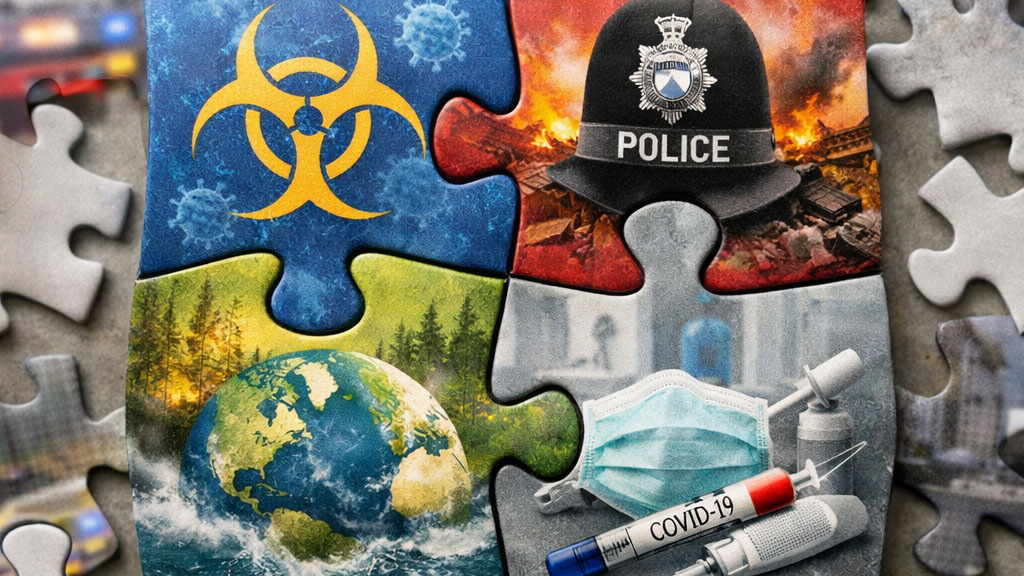
‘‘These concerns around knowledge loss and organisational vulnerability also sit within a wider national conversation about preparedness, particularly following the publication of the UK COVID‑19 Inquiry report.
“In the current climate, marked by heightened geopolitical tensions, the increasing frequency of climate-related disasters, emerging public-health threats such as recent viral meningitis cases, and an evolving national agenda around preparedness, the retention and development of specialist DVI expertise is not only a professional necessity but a critical component of ensuring wider organisational and national readiness for future mass-fatality events.’’