Huddersfield expertise helps to guide Ghana-based dementia project
A long-term dementia healthcare research project led by the University of Huddersfield is seeing its expertise have a positive effect with partners in Ghana’s health and social care systems.
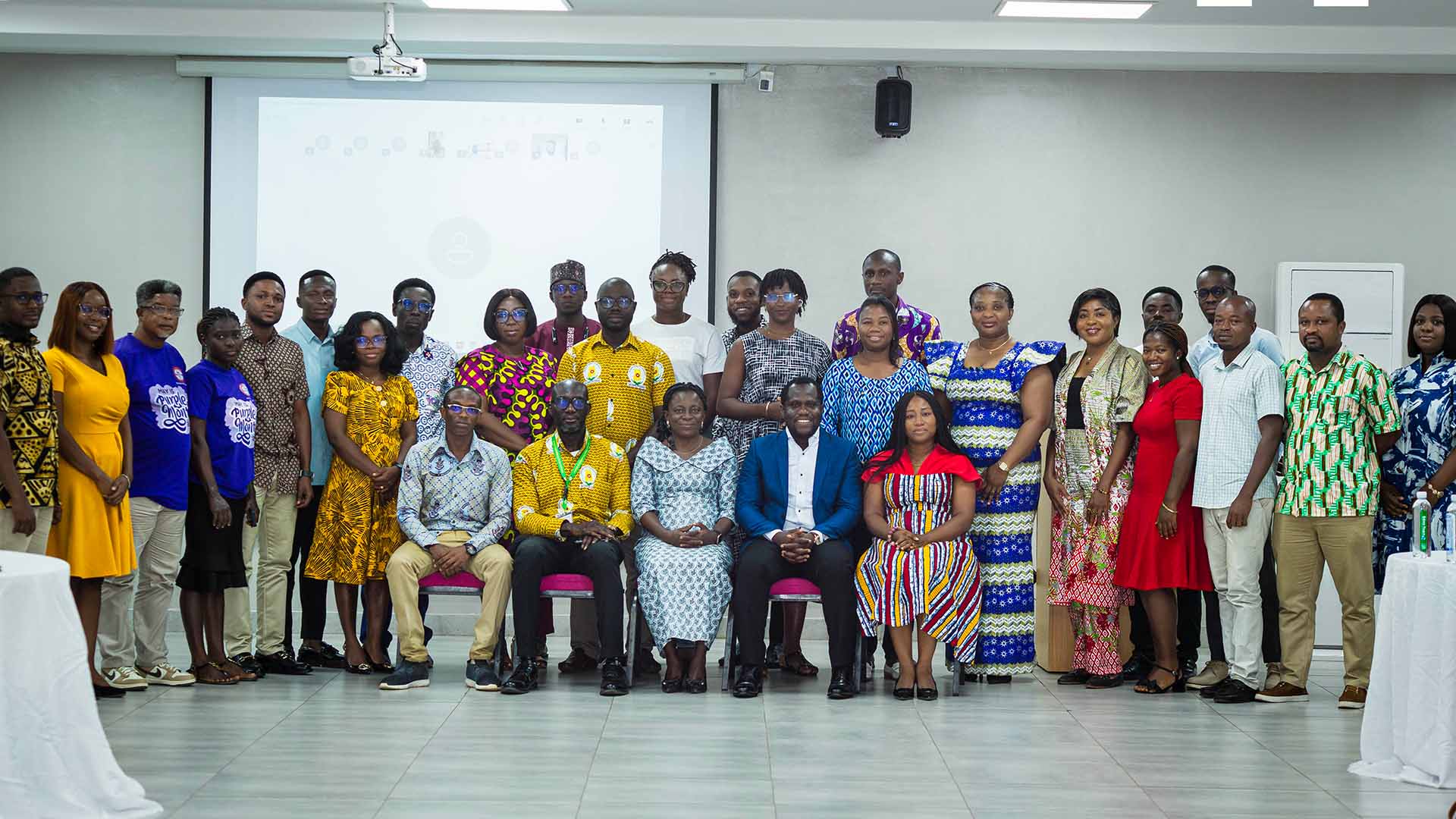
The university’s Dr Precious Adade Duodu recently helped bring together stakeholders from the UK and Ghana at two days of workshops at the University of Ghana and Kwame Nkrumah University of Science and Technology (KNUST).
Funded by the Research Investment Funding of the School of Human and Health Sciences, the project builds on a growing body of evidence showing that dementia is an increasingly significant public health challenge in Ghana.
The two days of workshops brought together 60 stakeholders from Ghana and the UK, including representatives from the Ministry of Health, Ghana Health Service, teaching and tertiary hospitals, universities, the Centre for Ageing Studies, civil society organisations, family caregivers, faith and community leaders, media organisations, and other key stakeholders committed to advancing dementia care in Ghana.
“Developing an effective dementia care pathway requires meaningful engagement with everyone involved in dementia care,” says Dr Duodu, Principal Investigator and Senior Lecturer in Adult Nursing and International Lead for Nursing.

Dr Precious Duodu
Principal Investigator, Senior Lecturer in Adult Nursing and International Lead
“This partnership demonstrates our shared commitment to developing practical, culturally appropriate, and sustainable solutions that improve the lives of people living with dementia and their families.”
Prof. Philip Brown, Strategic Lead for Research and Innovation, School of Human and Health Sciences, highlighted the value of strategically investing in international partnerships that generate impactful, policy-relevant research and create pathways for future collaborative funding and real-world health system impact
"We try to ensure our work has both local and global relevance and impact,” says Professor Brown. “The work in Ghana has created a strong platform for policy-relevant research, future funding collaboration and practical improvements in dementia care pathways.”
The outputs from the workshops will inform the development of a Ghana Dementia Care Pathway Framework, a policy-ready white paper, and an implementation roadmap to support future pilot testing and evaluation.
The initiative seeks to establish a sustainable UK-Ghana research partnership that will co-design, refine, and position for pilot testing a dementia care pathway tailored to Ghana's healthcare system, socio-cultural context and population needs.
The partnership also aims to leverage these outputs into larger international funding applications focused on dementia care, healthy ageing, and health systems strengthening. The initiative exemplifies the power of international collaboration in addressing complex global health challenges and demonstrates how evidence, lived experience, and stakeholder engagement can be brought together to co-design innovative and sustainable health solutions.
Discover more about the project and the university's role.
Professor Warren Gillibrand, Dean of the School of Human and Health Sciences, added, “The School of Human and Health Sciences is committed to supporting and advancing knowledge in global health issues, and research into dementia is a key part of our ambitious vision for the National Health Innovation Campus development.”
Dr Fred Adomako-Boateng, Regional Director of the Ghana Health Service, Ashanti Region, said, “Dementia is no longer a condition we can afford to treat as a distant, foreign problem. It is a present reality that our health system is already grappling with, often without the tools, training, or structures to respond adequately.
“Bringing clinicians, researchers, caregivers, and policymakers around the same table is exactly the kind of collaboration our health system needs, especially when we are planning services for a condition whose true national burden we cannot yet see clearly.”
Dr Hafez Adam Taher, Director of Technical Coordination at the Ministry of Health, and Mrs Evelyn Amoako, Deputy Director of Nursing and Midwifery, Ministry of Health, added, “This workshop marks an important step in generating the local evidence needed to inform Ghana's response to dementia and healthy ageing.
"It aligns with the Health Sector Medium-Term Development Plan, the National Non-Communicable Diseases Strategy, and the Ministry's commitment to strengthening Primary Health Care. By bringing together researchers, policymakers and practitioners, we are ensuring that future interventions are evidence-based, people-centred and responsive to Ghana's evolving health needs."