Partnership with media regulator sees launch of first journalism ethics training

The University celebrated World Ethics Day this year with the launch of a new journalism ethics training programme, developed in partnership with the UK press regulator, Impress.
Journalism researcher Dr Ruth Stoker and Head of Distance Learning Sean Pryor have been working with Impress via a Knowledge Transfer Partnership to develop online training for journalists, and Dr Stoker joined organisations including UNESCO, Ofcom and US news organisation NBC at the launch of the new programme via an international webinar.
“Understanding ethics is so important in journalism, particularly today when we are surrounded by misinformation and disinformation, and struggle to work out who to trust for news,” Dr Stoker said. “Journalists need to be secure in understanding what ethical journalism is, and how to bring this understanding through into their work.
“My research pointed to a massive gap in training in the UK in journalism ethics, and it has been a privilege to work in partnership with Impress to write a training programme which we hope will go a long way to improving understanding of ethics and good practice for anyone working in journalism, wherever they are and whatever their working context.”
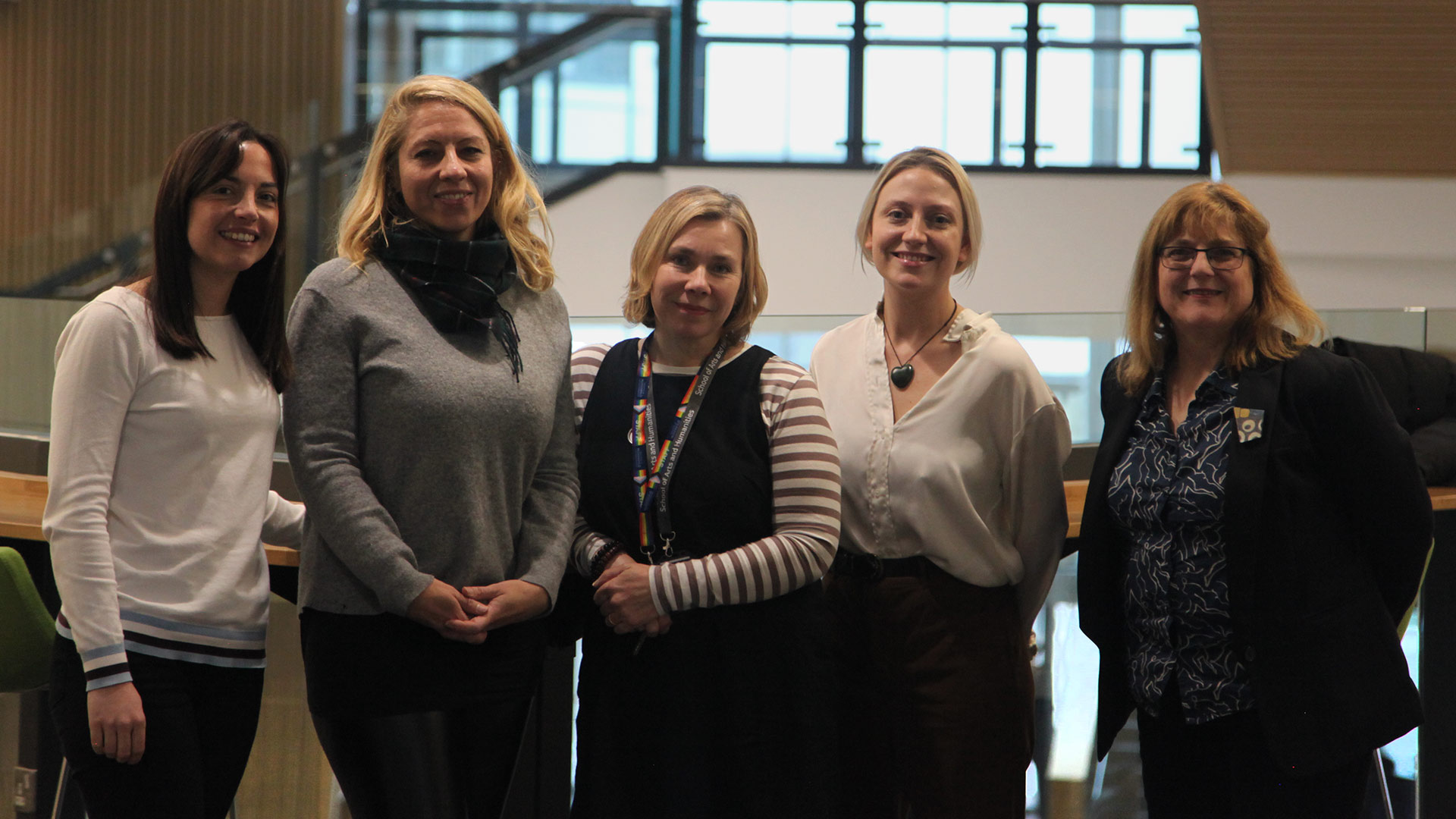
Dr Stoker, who is the University’s Director of Strategic Teaching and Learning, is a former journalist and a researcher in journalism education, and has been working with the University’s Distance Learning team, in particular Sean Pryor, to build the online programme. The project has been managed by the University’s KTP Associate Dr Beth Parkes, who has driven its development as education manager at Impress, and supported by journalism lecturer Dr Kirsty Styles.
“The programme development has very much been a team effort, not just at the University, but involving journalists from around the world, including the Poynter Institute, the BBC, Ofcom and many local news producers in the UK. We have also been privileged to work with national charities, including The Samaritans and Sense, who embedded advice and guidance, giving trainees a real-world view of some of the ethical challenges journalists have to navigate,” she added.
“Feedback from an early pilot of the training programme has been really positive, and we hope that everyone who engages with it gains a deep understanding of ethical journalism which they can take through into their practice.”

Dr Stoker’s work on training in journalism ethics came about following the Leveson Inquiry, which looked at poor ethical practice in the UK Press. The Inquiry was prompted by the work of Guardian journalist Nick Davies, which is set out in The Hack, currently being broadcast on ITV, starring David Tennant and Robert Carlyle.
“Impress has a mission to help journalists publish with integrity and develop public trust in news, and we are pleased to be able to work with them in achieving their aims,” she added.

The online course, Creating Ethical Media & Journalism, is a first-of-its-kind CPD-certified accreditation in ethical journalism, delivering dual certification from Impress and the CPD Certification Service.
It is recognised across the UK journalism industry, with over 40 hours of expert-led content, covering AI, defamation and privacy law, investigative reporting, misinformation, bias management, and trauma-informed reporting.
Dr Stoker is continuing to work with Impress under the Partnership, and they are now working on a training programme for senior leadership in news organisations to develop ethical cultures.
Knowledge Transfer Partnerships are government-funded programmes aimed at helping UK businesses improve competitiveness, production and performance, match-funded through UK Research and Innovation funding body, Innovate UK. The programme involves a collaboration between an organisation, a university and a graduate associate who is funded for the duration of the project.
The University currently has a portfolio of 21 Knowledge Transfer Partnerships, attracting a total of more than £5 million in funding.