Yorkshire suffrage activist's book returns after decades out of print
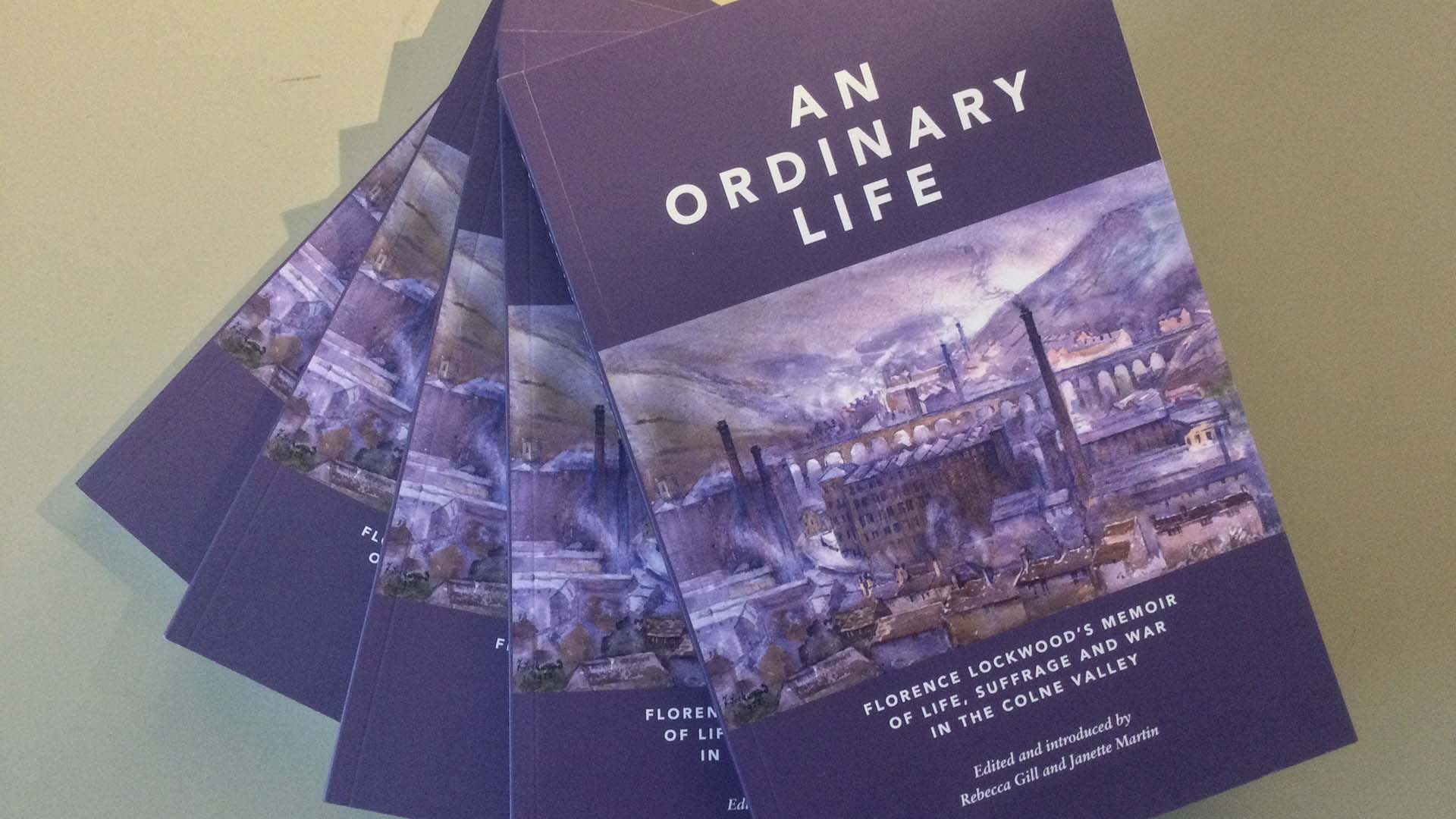
The memoir of Florence Lockwood, a key figure in the women’s suffrage movement in West Yorkshire a century ago, has found a new audience thanks to research involving the University of Huddersfield.
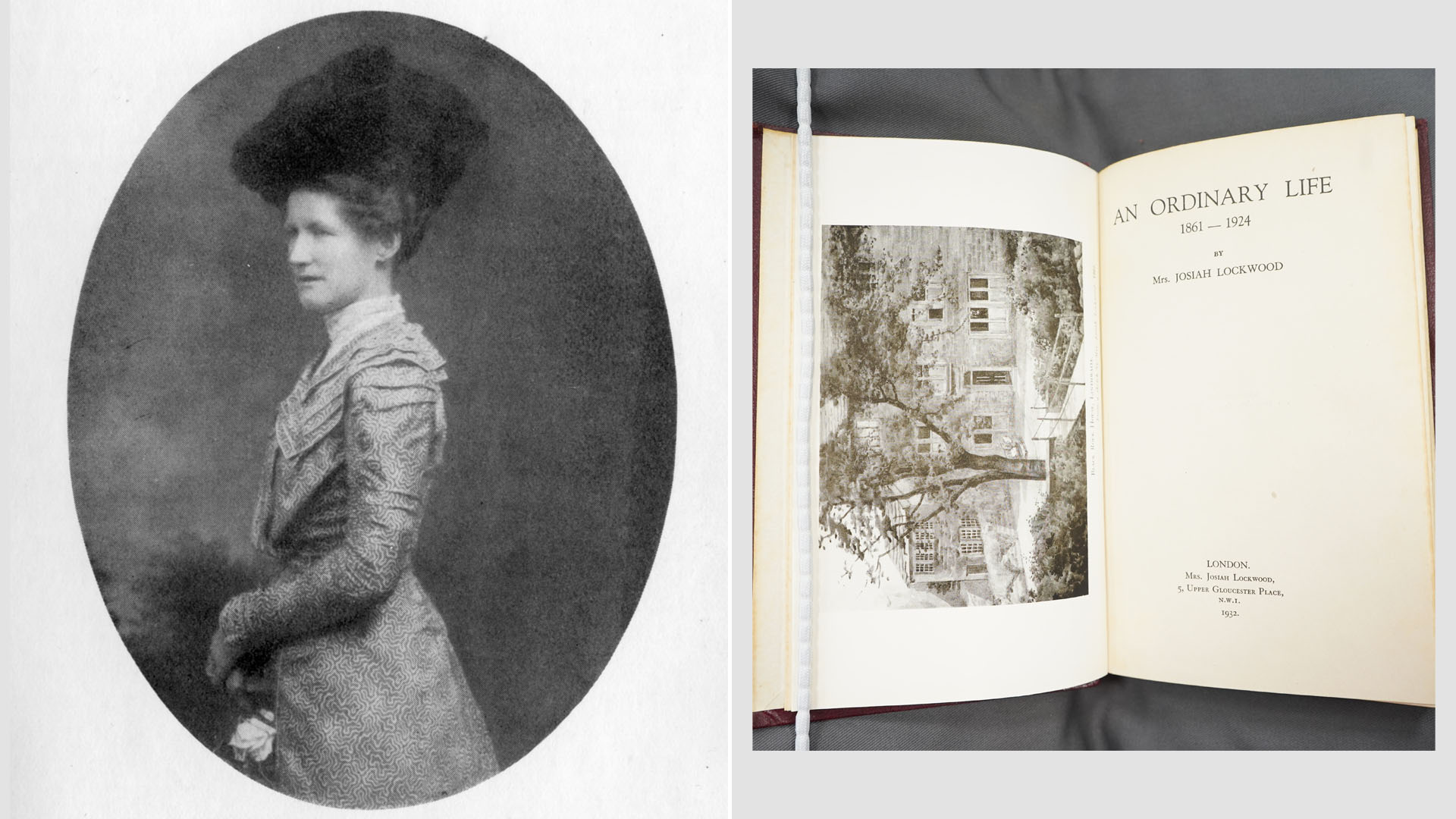
Dr Rebecca Gill, Reader in Modern History at the university, teamed up with former colleague Dr Janette Martin from the University of Manchester’s John Rylands Research Institute and Library to oversee the republication of Florence Lockwood’s long-out-of-print autobiography, An Ordinary Life 1861-1924.
The book covers Florence’s life following her move from London to Linthwaite in the Colne Valley, close to Huddersfield, before the First World War.
Study History at Huddersfield - discover more
Married to Josiah Lockwood, a significant figure in the local textile industry, Florence was a suffragist who campaigned peacefully for women to be given the right to vote, and was a pacifist when Britain went to war in 1914. Though converted to the idea of women’s suffrage after meeting the militant Pankhursts on their visit to the Colne Valley in 1907, she was often at odds with the direct action of the suffragette movement, preferring to make her point through petitions and pamphlets instead.
Florence, who trained at the Slade School of Fine Art in London, was also a talented artist. She embroidered a well-known banner for the local suffrage movement that depicts the mills and canal of the Colne Valley (now housed at the Tolson Museum), and painted many watercolours of local scenes, a good number of which feature in her memoir.
During the First World War, Florence helped to accommodate Belgian refugees, several of whom were artists. Her unpublished diaries document a visit she made with them to the art department at Huddersfield Technical College, the precursor of today’s university, and her support for them by buying materials and promoting their work.
A rare insight into the local suffrage movement
Long-term admirers of the memoir, an original copy of which resides in the university’s Heritage Quay archive, Dr Gill and Dr Martin have collaborated on the new edition that, as well as the original text, sports additional images, explanations of dialect and terms, and a new inside cover featuring textile art by former university lecturer Sylvia Gibbs.
“We have always had a real love of this book and the story it tells so vividly of the day-to-day life of a suffrage campaigner. Her observations of daily life in Huddersfield are captivating,” says Dr Gill.
“We thought we would bring it out as a new edition because it only existed in its first imprint from 1932 and it was very hard to get hold of outside of archives and special collections. This is the only autobiography we have of a Yorkshire suffragist, so it is very precious, and it was also very rare to have a woman speaking out as a pacifist during the First World War.”
Scans of an old copy were taken, and using up-to-date-software the reprint was produced with careful checking of the scanned version compared to the print copy.
Additional research carried out using Florence’s original manuscript diaries in the Kirklees branch of the West Yorkshire Archives. Funding from local sources, including the Huddersfield Local History Society and Pride in Linthwaite, have helped put the book back into the public realm.
“Florence had a painterly eye for the detail of ordinary life,” Dr Gill adds. She made a difference to the women’s suffrage movement in this area at a crucial time, even travelling to Budapest for a meeting of the International Women’s Suffrage Alliance. She did so many different things, and her book allows a rare insight to an important period in our history with an interesting local perspective as well. Janette and I are really proud to have been able to put Florence Lockwood back into the public eye.”