Academic shares personal insights of kidnapping in new book
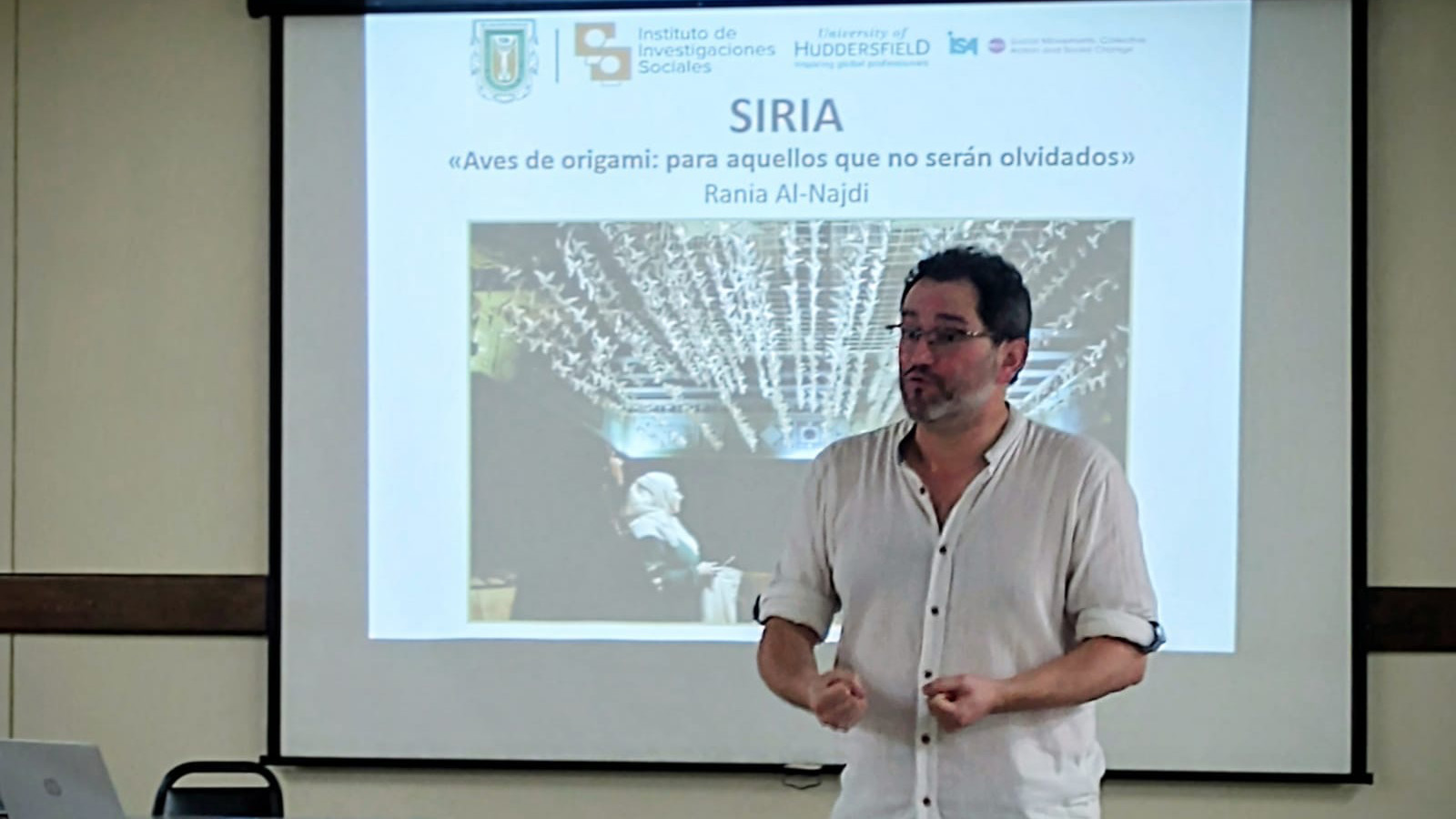
Dr Camilo Tamayo Gomez has drawn on his own personal experiences from growing up in Colombia in a new book that examines the complex issue of kidnapping.
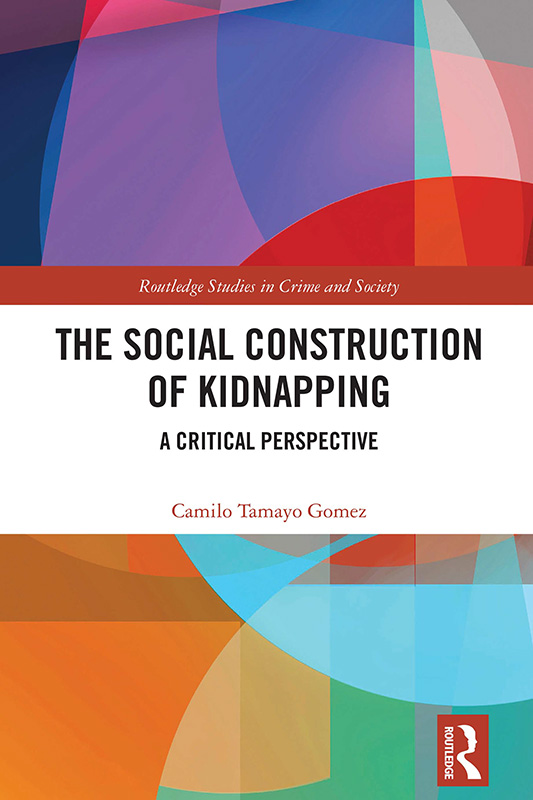
A senior lecturer and Reader in Criminology, Dr Tamayo Gomez’s The social construction of kidnapping: A Critical Perspective takes an analytical approach to the subject that is far removed from the melodramatic way in which kidnapping is often portrayed to those not directly involved.
His family had first-hand experience of kidnapping when a cousin of Dr Tamayo Gomez was held in captivity for three years in the 1980s, until a ransom was paid and he was returned to his family.
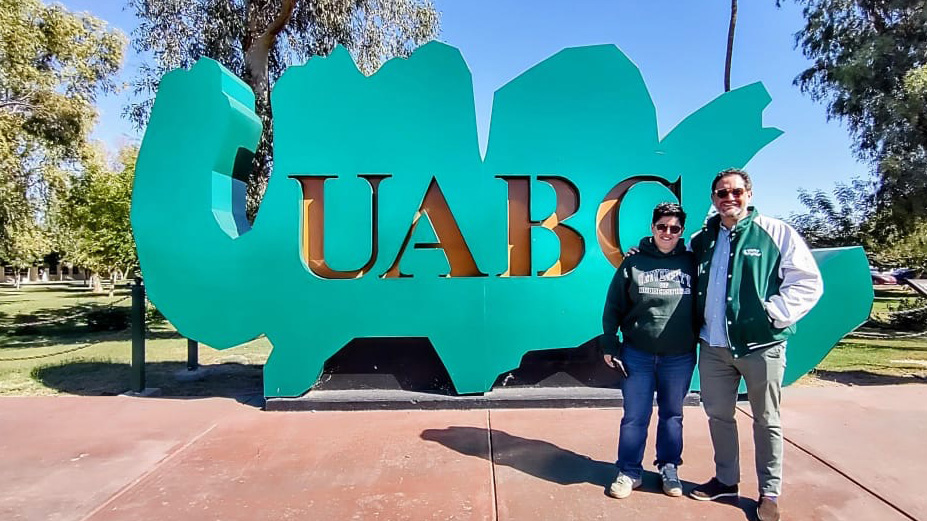
He recently visited the Universidad Autónoma de Baja California (UABC) in Mexico, where he shared his research on violence, human rights and social justice in Latin America that also helped shape his book.
Kidnapping almost a way of life in Colombia
It is thought that over 42,000 people were kidnapped in Colombia during a time of huge unrest in the country during the 1980s and 1990s, and kidnapping is still used as a tactic for a myriad of reasons in Colombia and many other countries.
The book explores how acts of kidnapping are shaped by political, economic, and cultural dynamics rather than being reduced to criminal or sensationalist narratives.
“It’s a personal book,” says Dr Tamayo Gomez, who is also an expert on cybercrime and has shared his knowledge on that subject at the UN.
Study Criminology at Huddersfield
“It is a topic that had been treated in a melodramatic way, with horrible pictures of people suffering in captivity almost as a dramatisation of kidnapping. But what I am trying to do in this book is to go beyond that melodramatic, sensationalistic approach.
“This book is trying to understand kidnapping as a social phenomenon, as a social action and tries to make links with different kind of concepts to help to understand kidnapping.
“And the reasons behind a kidnapping are theoretically, sociologically, politically and culturally so different.”
Love, money and many more reasons for kidnapping
Researched for 15 years, Dr Tamayo Gomez’s book identifies many different reasons for kidnapping, including for political gain, for quick financial reward or even as an expression of love.
“I’ve explored areas of kidnapping often ignored when considering it, such as intimacy during captivity, how interactions between kidnappers and their captives can define power for one or the other, and how poverty and inequality can be key to why people are driven to kidnap other people.
“My book creates a map of the 20 different types of kidnapping I have identified that are beyond kidnapping just for a ransom.”
At the heart of his visit to UABC, Dr Tamayo Gomez took part in a workshop with grassroots and community organisations working to locate missing and disappeared people along the nearby US–Mexico border.
The workshop explored how to document, visualise, and communicate the stories of disappearance through creative and participatory methods, as a way to reimagine victims’ reparation.
Maps help preserve memories of the disappeared
A key outcome was the creation of collaborative maps that record key sites of memory, such as locations of disappearances, clandestine graves, and spaces of mourning or resistance. These maps, produced through group discussions and visual exercises, are intended to support ongoing search and documentation efforts while fostering emotional and political recognition of the victims.
“In contexts such as Mexico, the search for missing people cannot only be a forensic or legal task”, said Dr Tamayo Gómez. “It must also be a human and social process that begins from below, recognising the emotional, collective, and moral labour of the families and communities leading these searches.
“These cartographies are not just about geography. They are about memory, about recognition, and about restoring the dignity of those who have been made invisible.”
The visit to UABC marks an important step in strengthening collaborations between the University of Huddersfield and Latin American institutions working in the fields of human rights, memory and social justice. It also aligns with the University’s global research commitment to supporting communities affected by conflict and violence through engaged, ethically grounded scholarship.
“Working alongside communities who have turned pain into action is profoundly inspiring”, Dr Tamayo Gómez reflected. “Their courage and commitment remind us that justice must be built not only in institutions but also in the everyday practices of memory and solidarity."