New book examines impact of decades of gang warfare in Rio de Janeiro
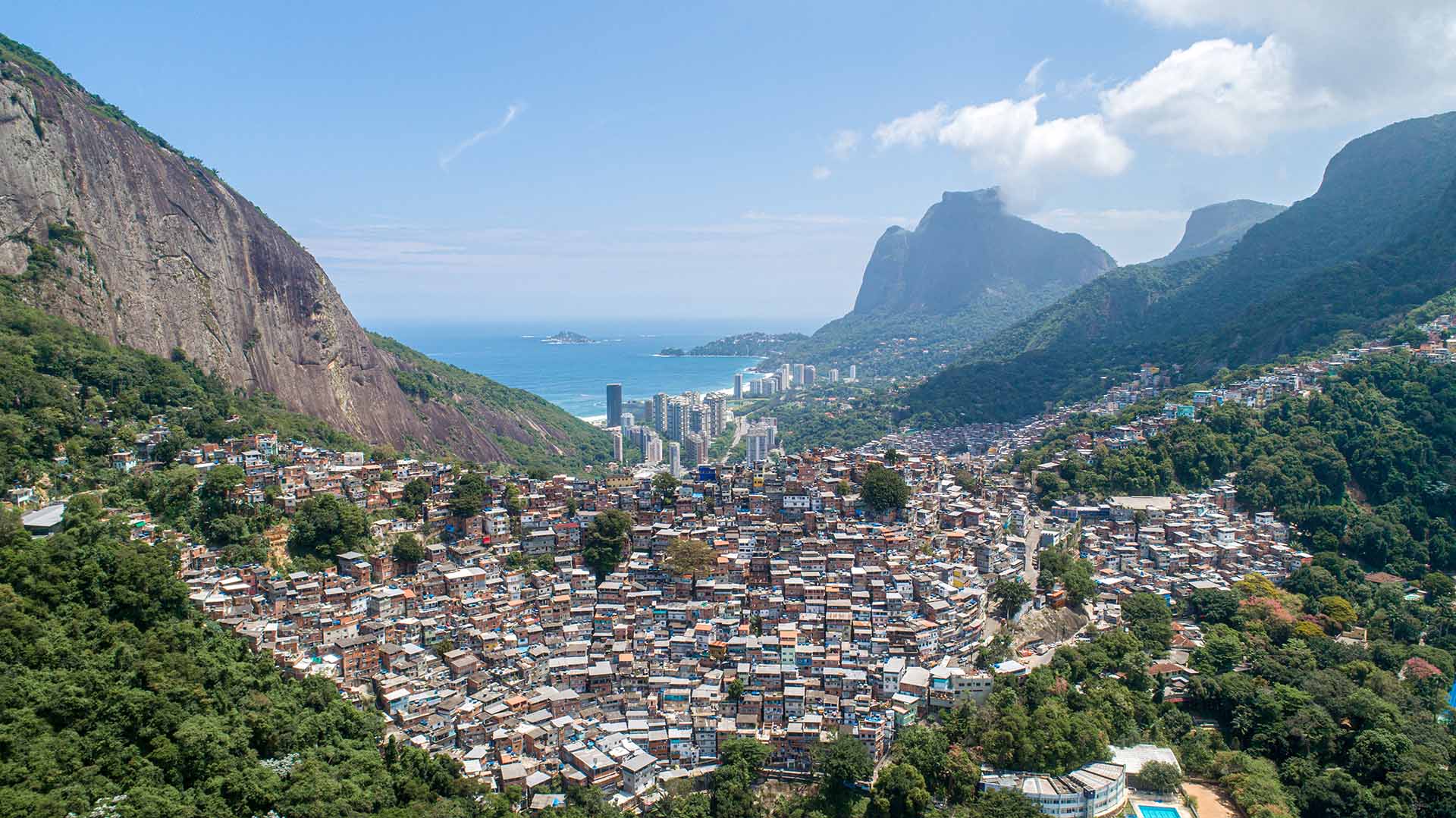
Decades of gang violence in Rio de Janeiro, which recently hit the headlines again, are under the microscope in a new book from University of Huddersfield criminology senior lecturer Dr Andrea Varsori.
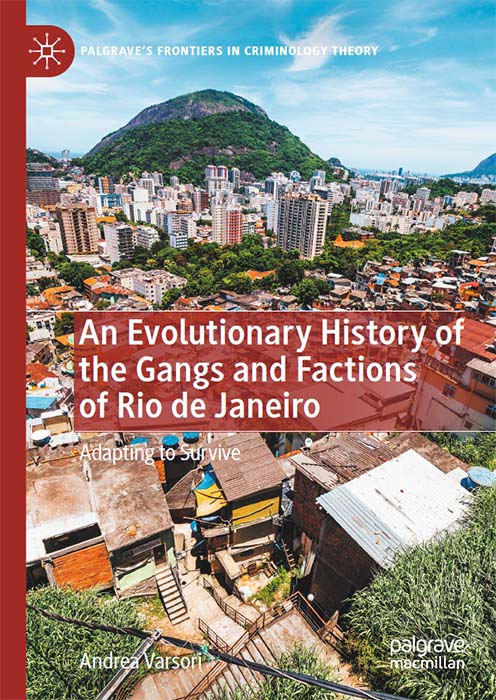
An Evolutionary History of the Gangs and Factions of Rio de Janeiro (Palgrave Macmillan) examines the history of the gangs in Brazil’s most famous city, and how the political repression of the 1970s led to the formation of gangs inside the country’s jails before spreading out into the favelas in the poorest areas of Rio and beyond.
Analysing data as well as coverage of the gangs in the media, Dr Varsori’s book assesses why the gangs are as strong as ever despite repeated attempts by Brazil’s authorities to clamp down on them.
A police raid into a favela in Rio in October 2025 left an estimated 121 people dead following shoot-outs, and saw gangs attacking police by dropping explosives from drones.
"The book asks why, after all of these years and everything that has been tried, why are these gangs still with us, how come they're still making money, expanding and getting bigger and more powerful?" says Dr Varsori, who is also Co-Coordinator of the Urban Violence Research Network.
"Rio is Brazil's second city, it's basically Brazil's postcard and a major tourism destination. But at the same time, there is poverty, inequality, and violence and crime as well.
“Originally the gangs were quite small, with few members, selling cannabis in the impoverished neighbourhoods. But when the right-wing dictatorship sent dissidents alongside criminals to the worst jail in Brazil, the criminals banded together under the influence of left-wing ideologies.
“There was so much violence in these jails that banding together meant they could survive, and once they were outside they continued. Initially their criminal activities were not much beyond robbing banks, but once cocaine arose in Brazil the gangs switched to trafficking it as there was so much money to be made.
“The police have arrested and killed many gang members for over 40 years, but that hasn’t solved the problem.”
Ongoing cycle of violence 'a puzzle'
Dr Varsori has researched the growing issue of urban violence for several years, and the book builds upon his PhD, which assessed the ongoing resilience of Rio’s gangs.
“The violence comes from gangs fighting each other, or the police fighting the gangs, but then both gangs and police have been brutal with residents so there is a cycle of violence.”
But Dr Varsori’s research has revealed that the gangs’ methods are not complicated or overly strategic, making the authorities’ failure to contain or curtail them even more puzzling.
“The gangs don’t really have a strategy,” he adds. “There’s no 'criminal mastermind'. There’s a vertical structure with a boss, deputies and then almost ‘managers’ below looking after different areas. But they can all be replaced, and the standard gang member is trying to make money and survive by doing ordinary things. That makes it puzzling as to why the problem of gangs has not been solved.
“My research has also shown me how important police corruption is to the ongoing problem of gangs. If that was addressed, that might go some way to tackling this issue.”