Ali
What attracted you to the University of Huddersfield?
Huddersfield offered me exactly what I wanted, a course that blends hardware, software and embedded systems in a genuinely practical way. That was very difficult to find anywhere else.
Affordability was another huge factor. The idea that I could study at a modern university with TEF Gold rating without financial pressure made the decision easier.
Also, Huddersfield's placement department is incredible. They run in-person mock interviews, CV sessions, employer events and since I've been a student here, they've given me the kind of one-to-one help that genuinely supports with outcomes.
What was your first impression of the University?
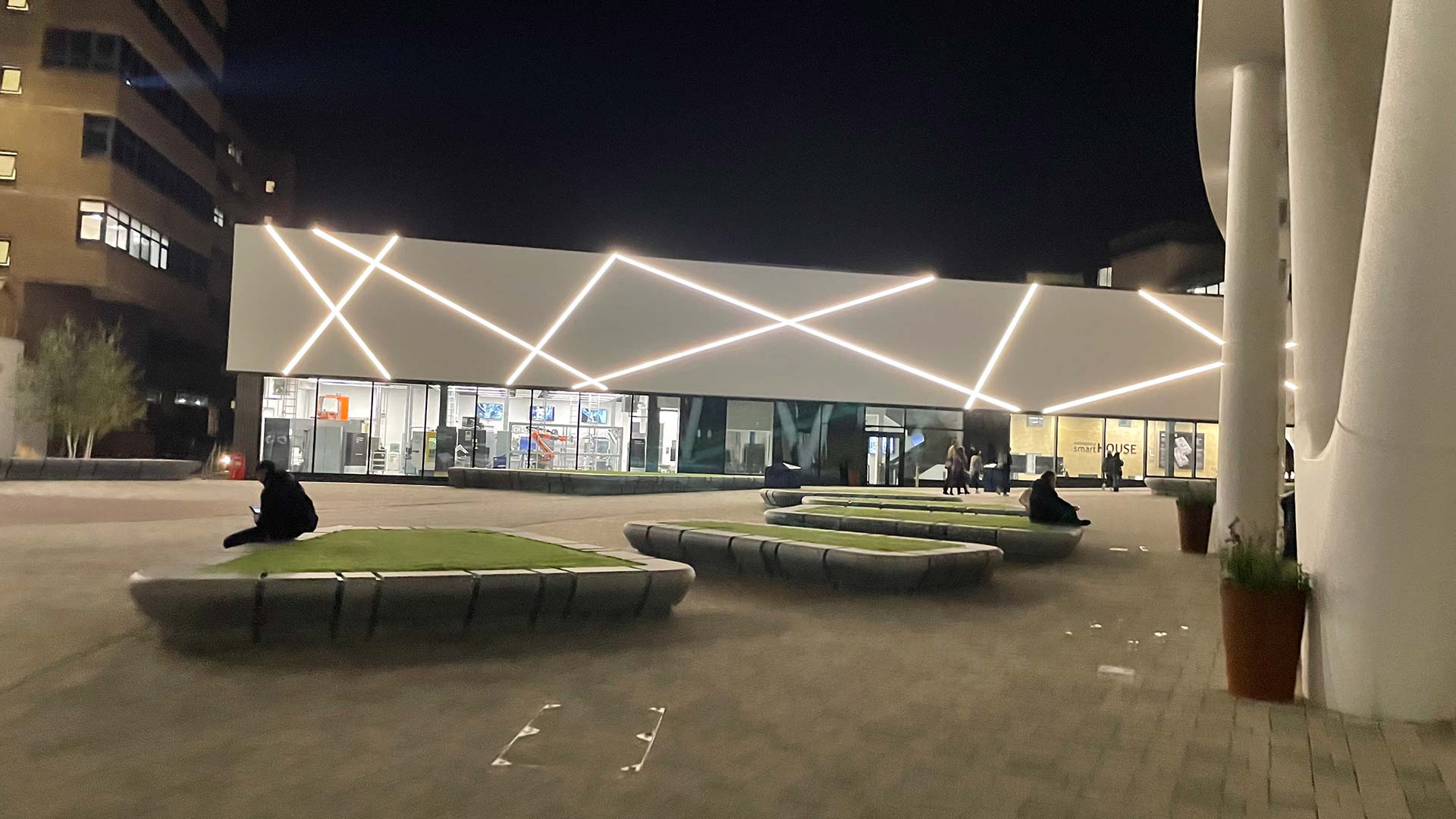
My first impression was that it was a modern campus with well-equipped facilities, set against those beautiful countryside vibes that instantly made me feel welcomed.
Why did you choose your course?
I've always been drawn to understanding how end-to-end systems work, not just the code or hardware, but how everything interacts and is glued together. Computer Systems Engineering gave me the freedom to explore programming, electronics and embedded systems all in one degree.*
The more I researched, the more I realised that this was the ideal path for someone like me who wants to build things, solve real engineering problems across multiple domains and stay relevant in a constantly evolving world, especially with IoT (Internet of Things).
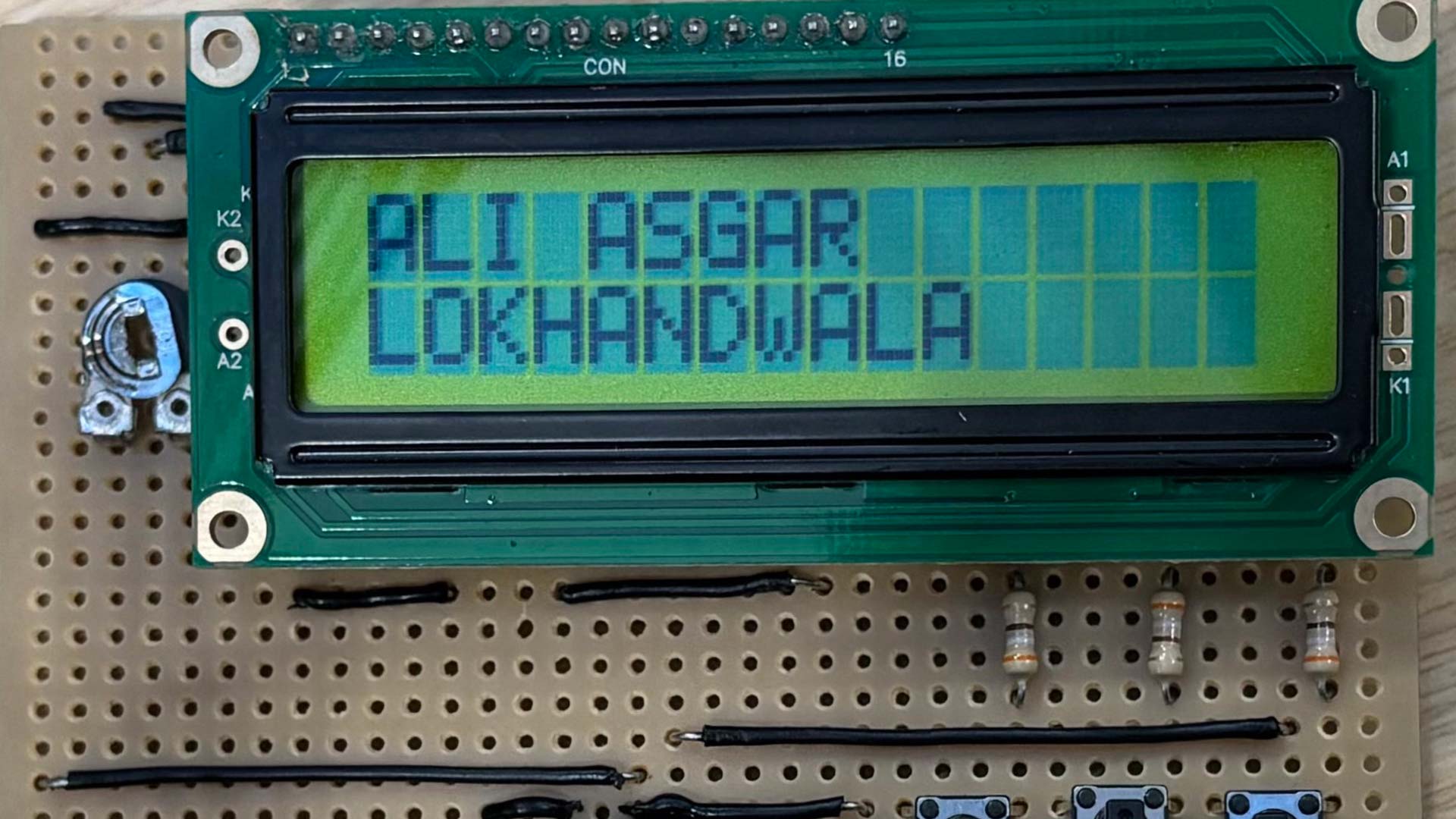
“It's the kind of course where I constantly catch myself thinking, 'I can actually use this, this is a real-world problem.'”
What’s your favourite thing about studying Computer Systems Engineering?
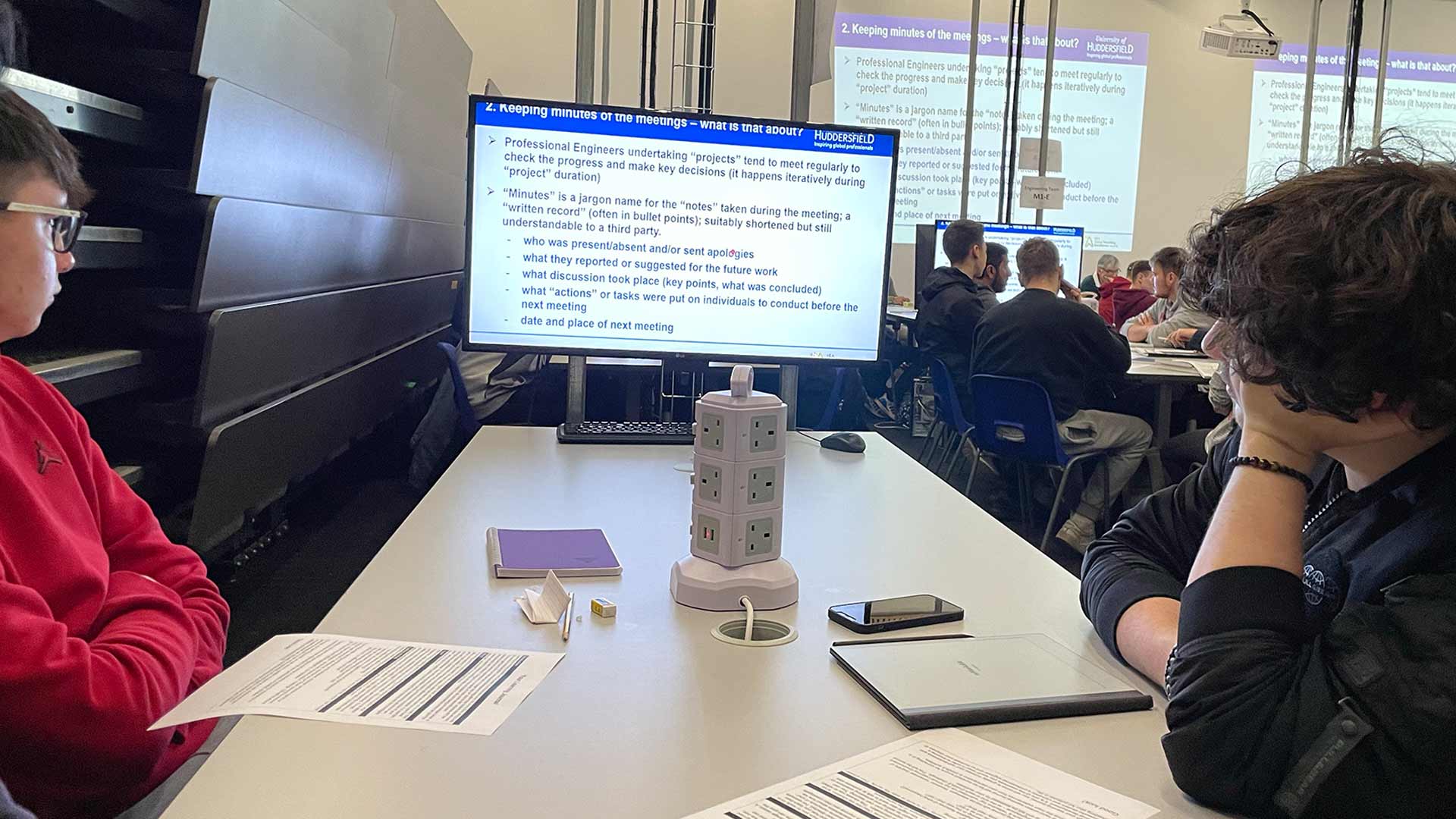
I love how hands-on it is, especially the EnABLE (Engineering in an Activity Based Learning Environment) challenges where we work on real engineering problems. It reflects how real engineering departments operate and boosts our employability when undertaking placements or applying for graduate roles.
What are the teaching and facilities like on your course?
The teaching has been great. I study with teachers who are experts in their field of study and are always happy to answer questions, are friendly and address my concerns quickly.
The facilities are great for experimentation, with friendly staff always available for support, whether it's embedded lab, electrical or any other area. It makes it much easier to work on projects, experiment and apply what I've studied to real world problems.
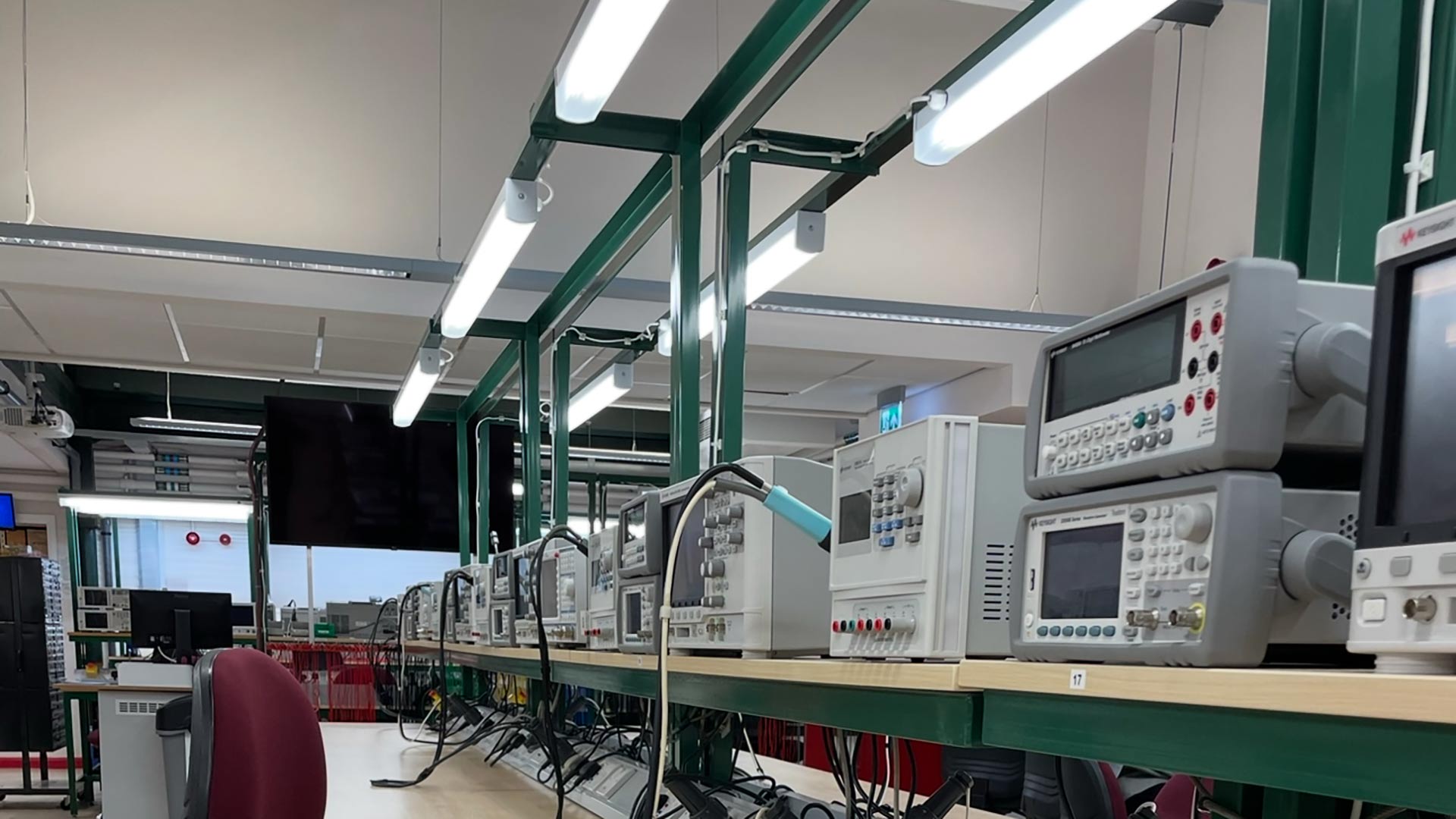
“Every module gives me something I can immediately test, build or apply whether it's programming microcontrollers, working with digital systems or designing circuits.”
How did you secure your placement with BT?
I prepared thoroughly and consulted with the University's placements department. I made sure my profile fit closely with their requirements and talked about all the activities and EnABLE challenges I did during my first two years at the University.
It was a very competitive process but with dedication, hard work, a CV that aligned with what BT wanted and support from the University, I was able to secure an amazing placement year with BT.
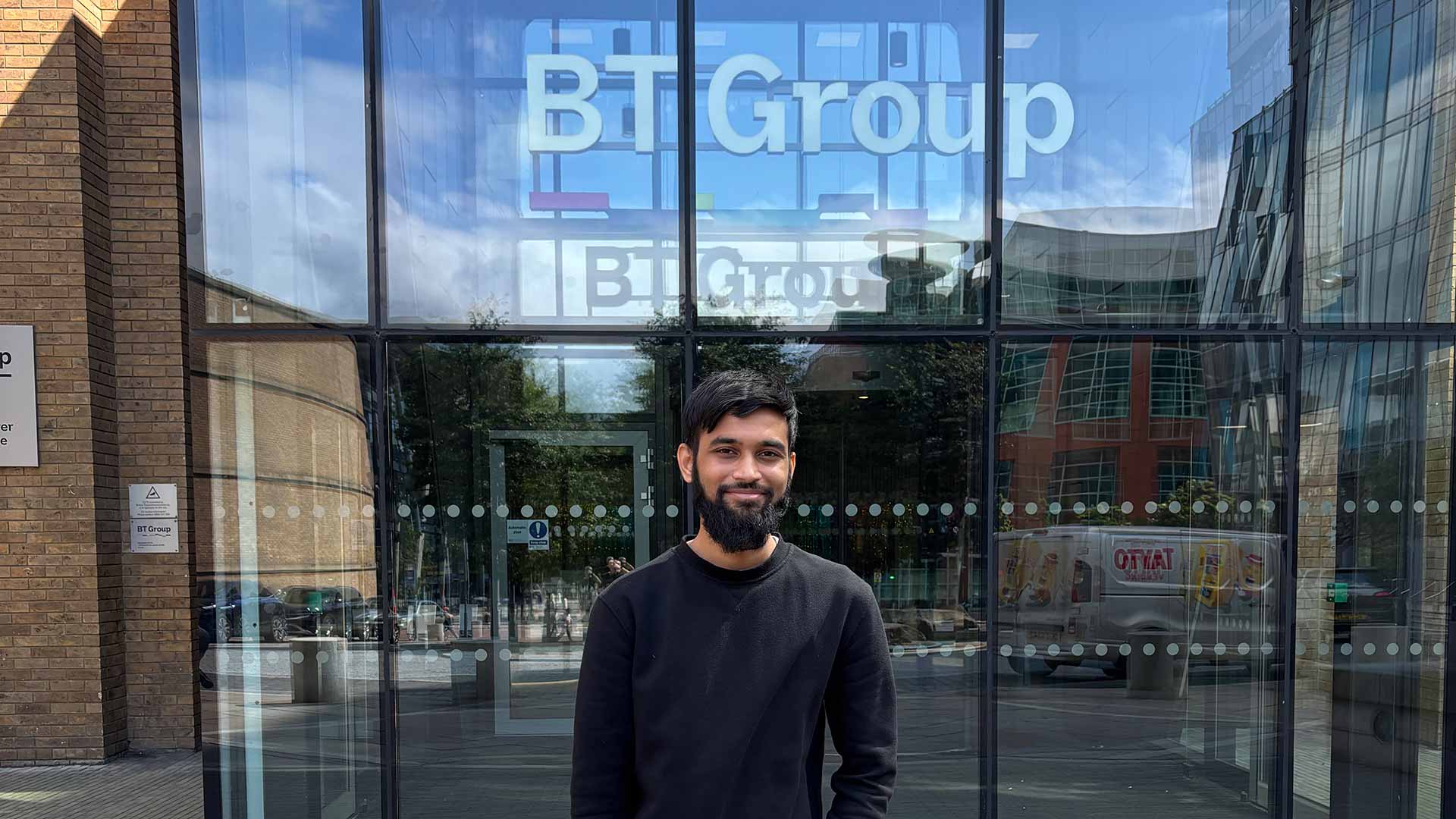
Tell us about your placement with BT
My year-long placement with BT genuinely changed the trajectory of my career. I worked as a Software Engineer within the site reliability engineering (SRE) space, contributing to internal tools and systems that support millions of customers and BT's enterprise clients.
I gave it my best and over time, I was trusted with increasingly complex work which eventually led to me being invited to multiple industry showcases to demo my works. I demoed research prototypes to partners from organisations such as AWS and InvestNI and eventually presented the project to the CEO of BT Group, Allison Kirkby – something I never imagined doing as an undergraduate.
The placement didn't just improve my technical skills, it also built my confidence, communication, leadership and connections, which will greatly benefit me even after I graduate. It also opened doors to my current role as a Visiting Researcher at BTIIC, working on projects funded by BT and various partners.
“My proudest achievement during my time at Huddersfield is being awarded the IET Future Talent Awards Boost Scholarship. It was incredibly motivating to have my work recognised by such a major engineering institution.”
What extracurricular activities have you been involved with?
I’ve completed the University’s Global Professional Award (GPA), which also led me to secure my CMI Level 5 accreditation and foundation-chartered manager status.
Outside my studies, I work on a range of personal tech projects and with BTIIC as a Visiting Researcher. I take part in industry demos and events such as SisterIN where I try to encourage young students to get into tech.
I also love to go on treks. I recently conquered Ben Nevis - the highest peak in the UK.
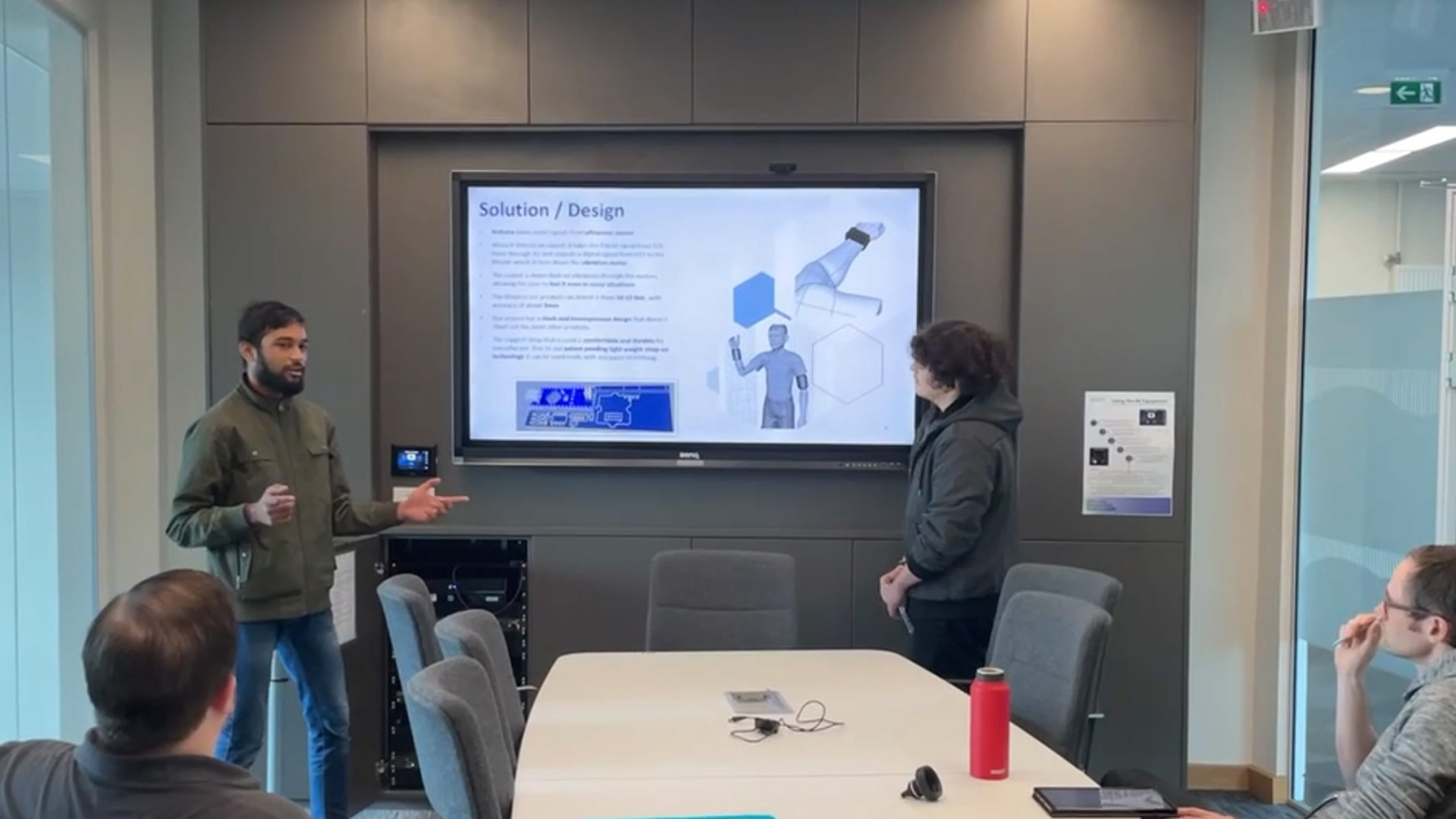
“Anyone who's looking for great, approachable teaching staff, good placement opportunities and affordable education should definitely consider University of Huddersfield.”
What are your plans for after you graduate?
After graduating, I want to continue working on advanced engineering problems and pursue a career in applied research roles. Long term, I'd like to contribute to technologies that make lives easier, improve user privacy and security and work on intelligent IoT systems.
The University of Huddersfield has given me the academic foundation and support needed for this. The staff have always been approachable and they have constantly pushed me to aim higher, explore opportunities and believe in my potential.
Would you recommend the University of Huddersfield?
Absolutely. If you're motivated and willing to put in the effort, the University gives everything you need and great opportunities to grow academically, personally and professionally. Whether it's GPA or EnABLE, there's more than enough opportunities to shine and learn something every day, and my journey along with many others is proof of that.