£400,000 EPSRC grant funds electromagnetic anechoic chamber for 6G research
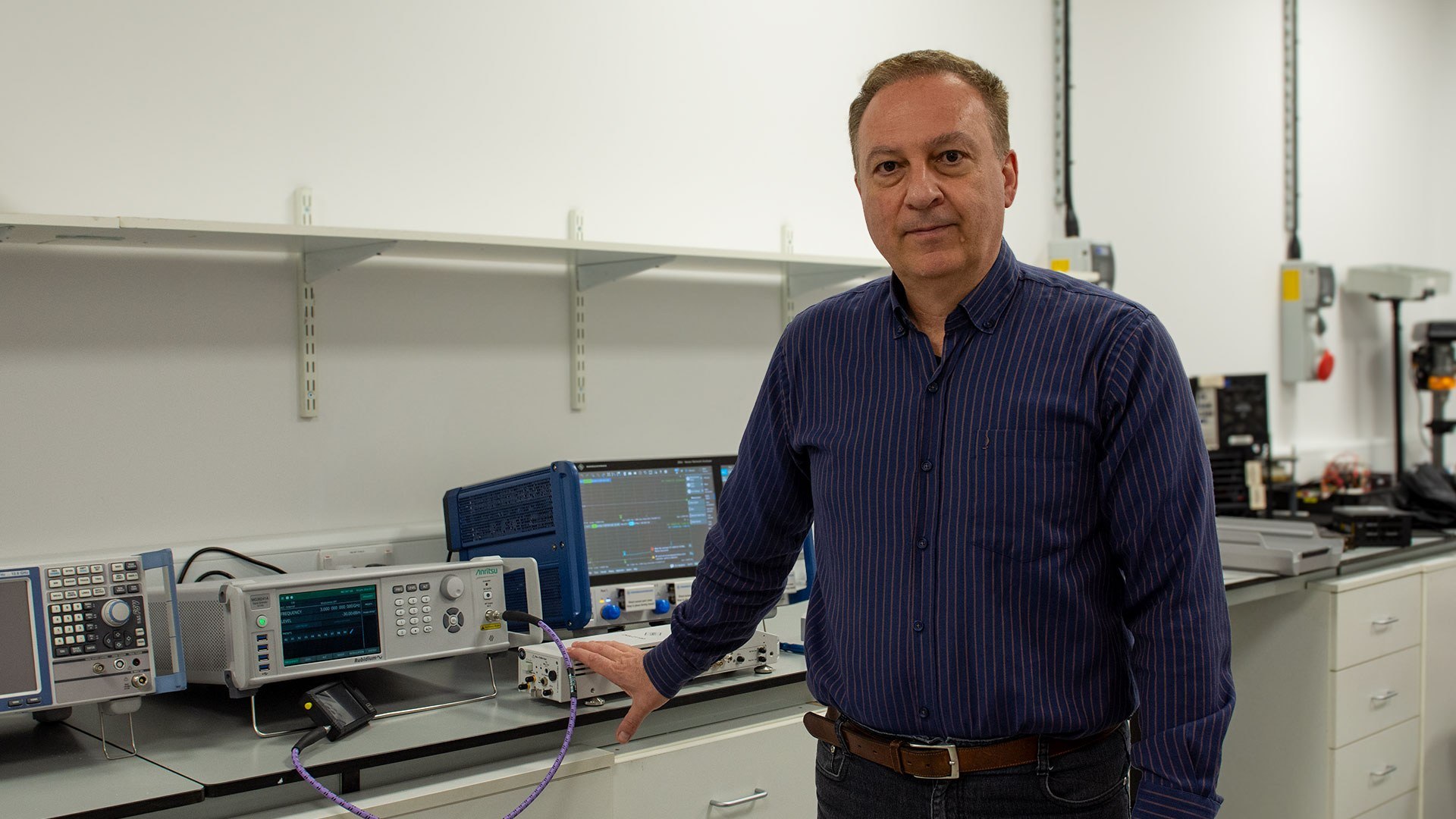
The University of Huddersfield has secured a £400,000 grant from the EPSRC to fund a high-tech anechoic chamber to further research into future 6G networks.
The core equipment grant, from the UKRI Engineering and Physical Sciences Research Council (EPSRC), will fund an electromagnetic anechoic chamber including a spherical near-to-far field scanner.
The new anechoic chamber will improve the University's research capacity when it comes to antenna measurements and higher frequency radio frequency systems that are related to next-generation technologies, including 5G/6G communications, metamaterials, satellite communications, and advanced sensor technologies.
Professor Pavlos Lazaridis, an expert in electronic and electrical engineering at the University who leads the institution’s Centre for Communications, Power and Electronic Engineering (CCPEE), is behind the successful funding bid to the EPSRC.
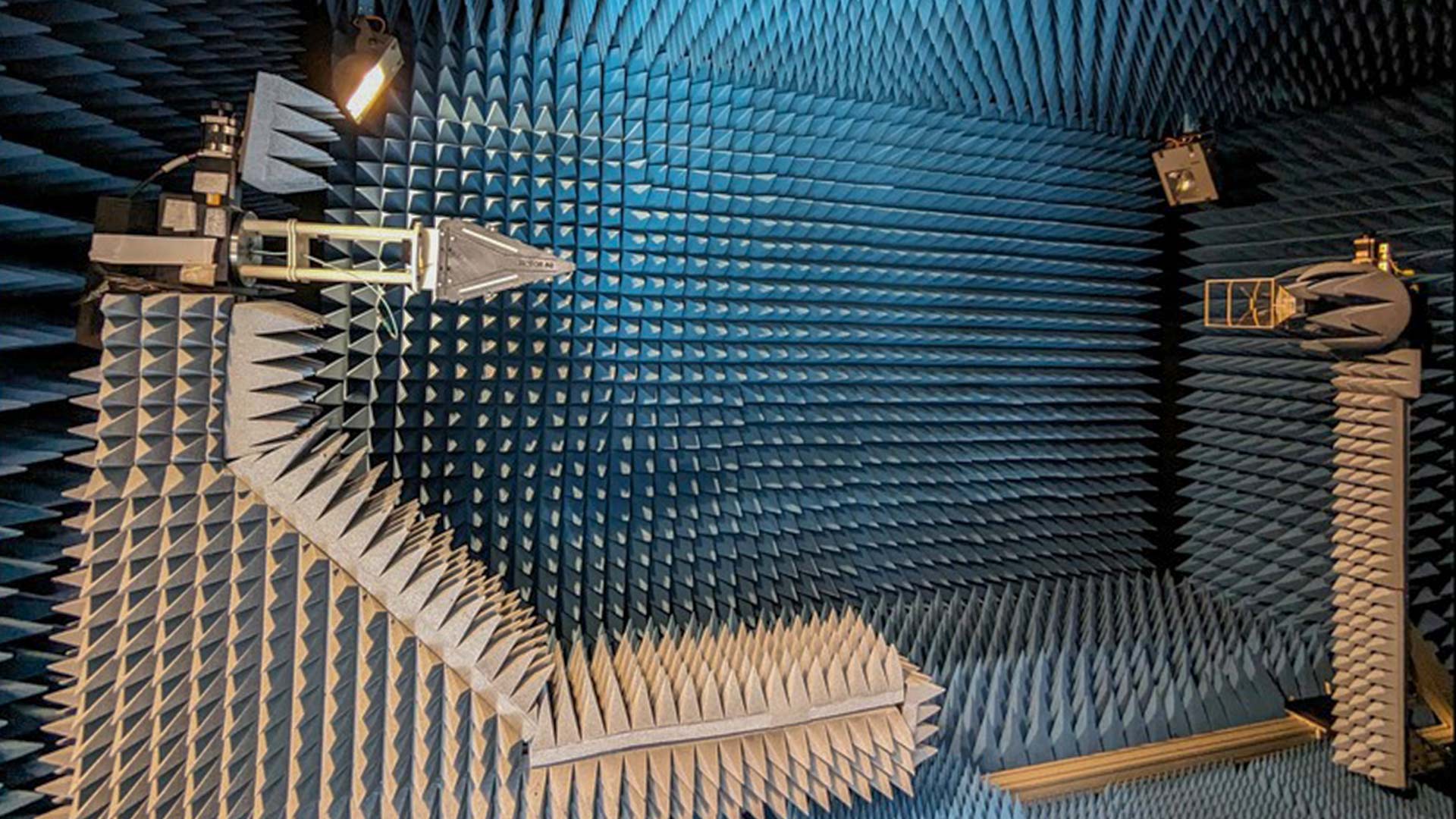
The new anechoic chamber will be six metres in length and three metres wide and is to be located in the University’s Laura Annie Willson building, which is home to a number of research facilities. It is expected to be ready on campus later this year.
Professor Lazaridis commented: “This state-of-the-art anechoic chamber with integrated scanner will increase our research capabilities and place us at the top of 6G research. We are grateful to the EPSRC.”
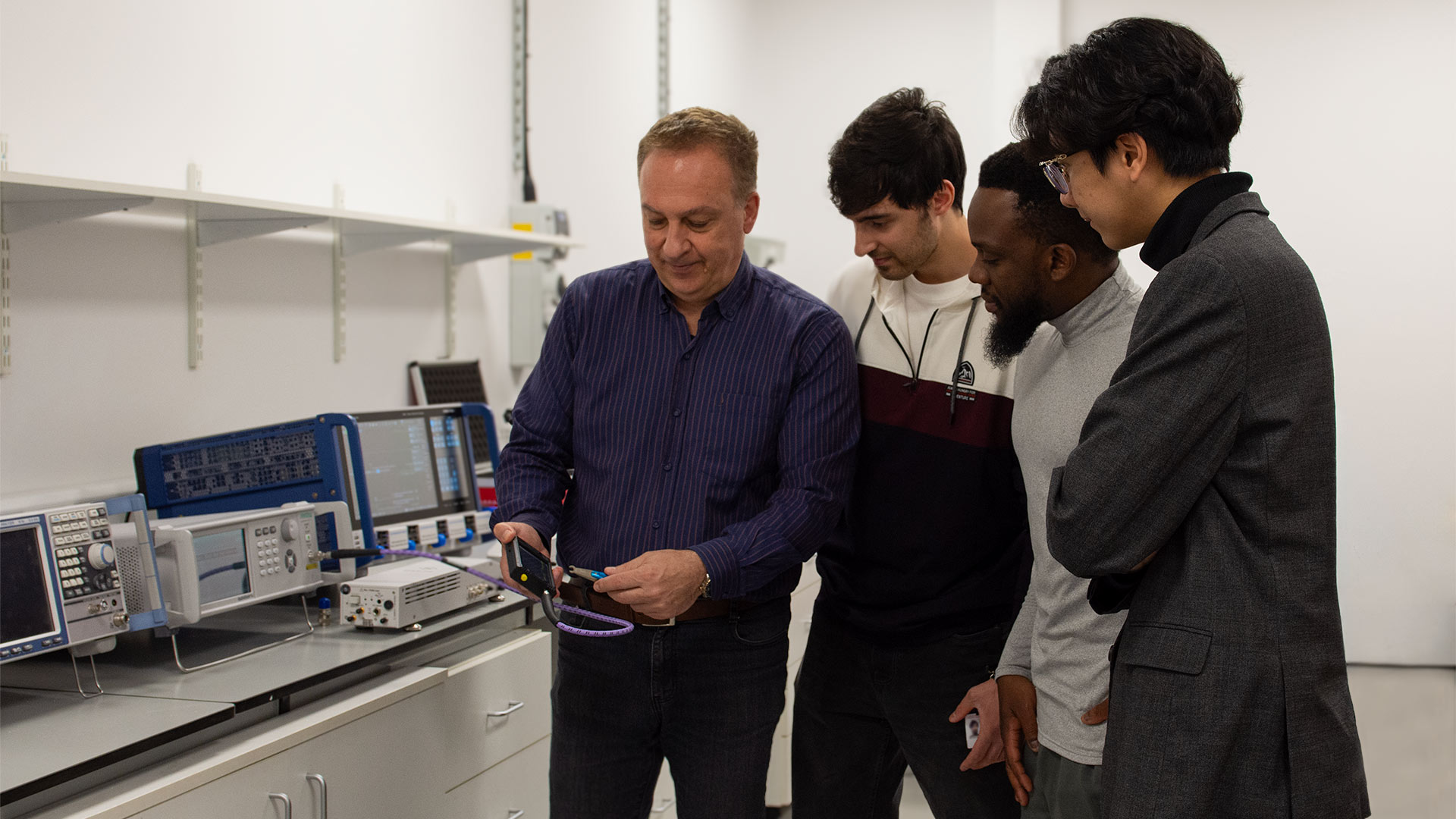
The latest funding news comes after a grant from the EPSRC last year to fund an 110 GHz vector network analyser, a signal generator, and a portable VNA and spectrum analyser.
All the equipment will be used in two ongoing international Horizon Europe projects that Professor Lazaridis is collaborating on - ISAC-NEWTON and 6G-ICARUS.
ISAC-NEWTON is a Europe-wide project focusing on research into integrated sensing and communications for 6G and involves a total of 17 academic and industrial partners. Huddersfield academics are part of a doctoral network training a new generation of experts in 6G networks.
6G-ICARUS is a partnership of 22 organisations across Europe, the US, and Brazil who are investigating and improving on current technologies in order to address obstacles that 6G networks will face.
The EPSRC, part of UK Research and Innovation (UKRI), is the main funding body for engineering and physical sciences research in the UK. It invests in world-leading research and skills to advance knowledge as well as supporting new ideas and transformative technologies.